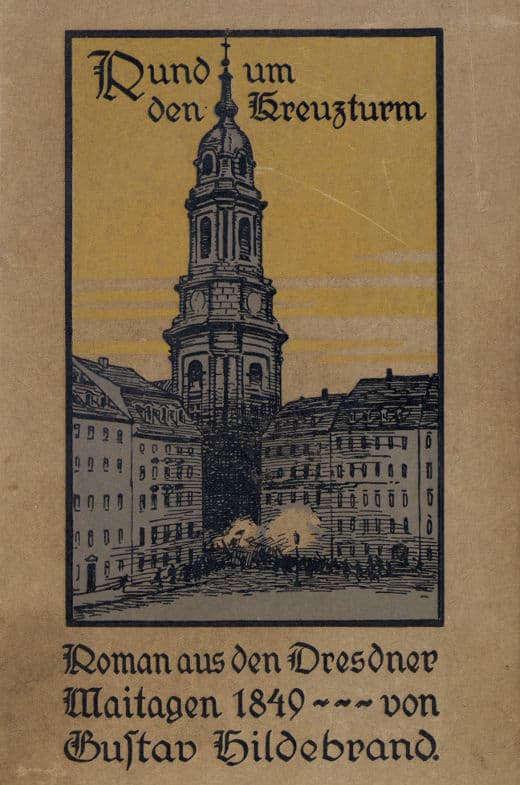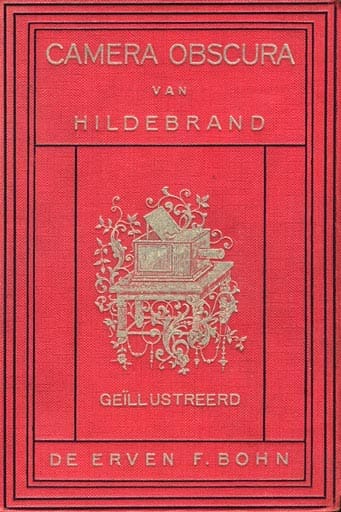
Published in 1839, Camera Obscura is a quietly radical novel about the passage of time and the impossibility of seeing clearly. The title itself is the metaphor: just as a camera obscura projects an inverted image onto a distant surface, so too does memory project the past onto the present, reversed and upside down. The story follows a young protagonist navigating the tender transition between childhood's careless joy and adulthood's weightier demands. At its heart is his complicated relationship with his distant cousin Robertus Nurks, a figure who embodies the social expectations and familial pressures that complicate growing up. Hildebrand (a pseudonym) constructs a narrative that is by turns whimsical and aching, using humor and warmth to examine what is lost, what is gained, and what is merely distorted when we look back at who we used to be. The novel sits comfortably alongside the work of Sterne and Lamb, blending personal memoir with broader commentary on Dutch society. For readers who cherish books about memory, nostalgia, and the small heartbreaks of becoming who we are.