Autobiography of Madame Guyon

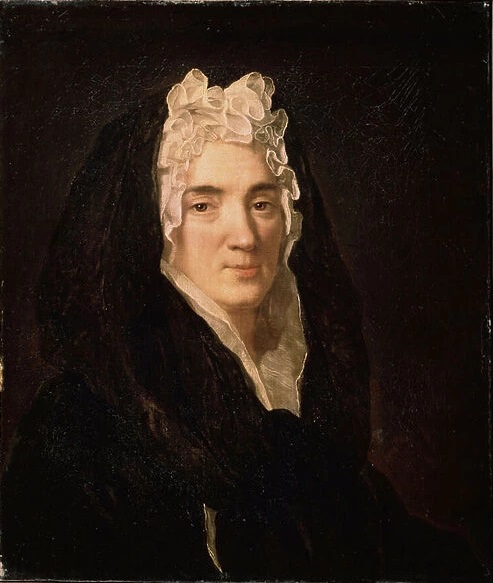
In 1695, the Catholic Church imprisoned a middle-aged French noblewoman for the crime of having conversations with God. Jeanne-Marie Bouvier de la Motte-Guyon had committed the radical act of claiming direct access to the divine, without priests or rituals interceding. Her crime was Quietism: the mystical assertion that true prayer requires only love, not elaborate theology. Confined for eight years in separate dungeons, she emerged unbroken, and her autobiography became a sacred text for seekers who came after. This is not a comfortable book. Guyon writes with startling honesty about spiritual darkness, doubted visions, and the deaths of eleven children. She describes the interior landscape of someone who surrendered everything to God and found, in that surrender, a freedom no earthly power could touch. Her method of prayer was called 'easy' by its author, but what she demands is nothing less than the dissolution of the self. Three centuries later, her voice still disrupts. She wrote as a woman in an age when women were forbidden to teach, yet her words found their way into the hands of Wesley,乾隆, and countless unnamed readers who recognized in her account something true about the soul's longing. This is for those who have ever felt that religion might be more vast than its institutions allow.
Editions

Link to this book
Add a free, dofollow link to Lex on your blog, forum, syllabus, or reading list.

<a href="https://lex-books.com/book/autobiography-of-madame-guyon-3d19006f-6e83-4844-b388-35b05255ba40"><img src="https://lex-books.com/badges/read-on-lex.svg" alt="Read Autobiography of Madame Guyon by Jeanne Marie Bouvier de la Motte Guyon free on Lex" width="160" height="40"></a>[](https://lex-books.com/book/autobiography-of-madame-guyon-3d19006f-6e83-4844-b388-35b05255ba40)[url=https://lex-books.com/book/autobiography-of-madame-guyon-3d19006f-6e83-4844-b388-35b05255ba40][img]https://lex-books.com/badges/read-on-lex.svg[/img][/url]Read Autobiography of Madame Guyon by Jeanne Marie Bouvier de la Motte Guyon free on Lex: https://lex-books.com/book/autobiography-of-madame-guyon-3d19006f-6e83-4844-b388-35b05255ba40Cite this book
Reading this edition for a paper or guide? Copy a citation.
Guyon, Jeanne Marie Bouvier de la Motte. Autobiography of Madame Guyon. Lex, lex-books.com/book/autobiography-of-madame-guyon-3d19006f-6e83-4844-b388-35b05255ba40.Guyon, J. M. B. D. L. M. (n.d.). Autobiography of Madame Guyon. Lex. https://lex-books.com/book/autobiography-of-madame-guyon-3d19006f-6e83-4844-b388-35b05255ba40Guyon, Jeanne Marie Bouvier de la Motte. Autobiography of Madame Guyon. Lex. https://lex-books.com/book/autobiography-of-madame-guyon-3d19006f-6e83-4844-b388-35b05255ba40.