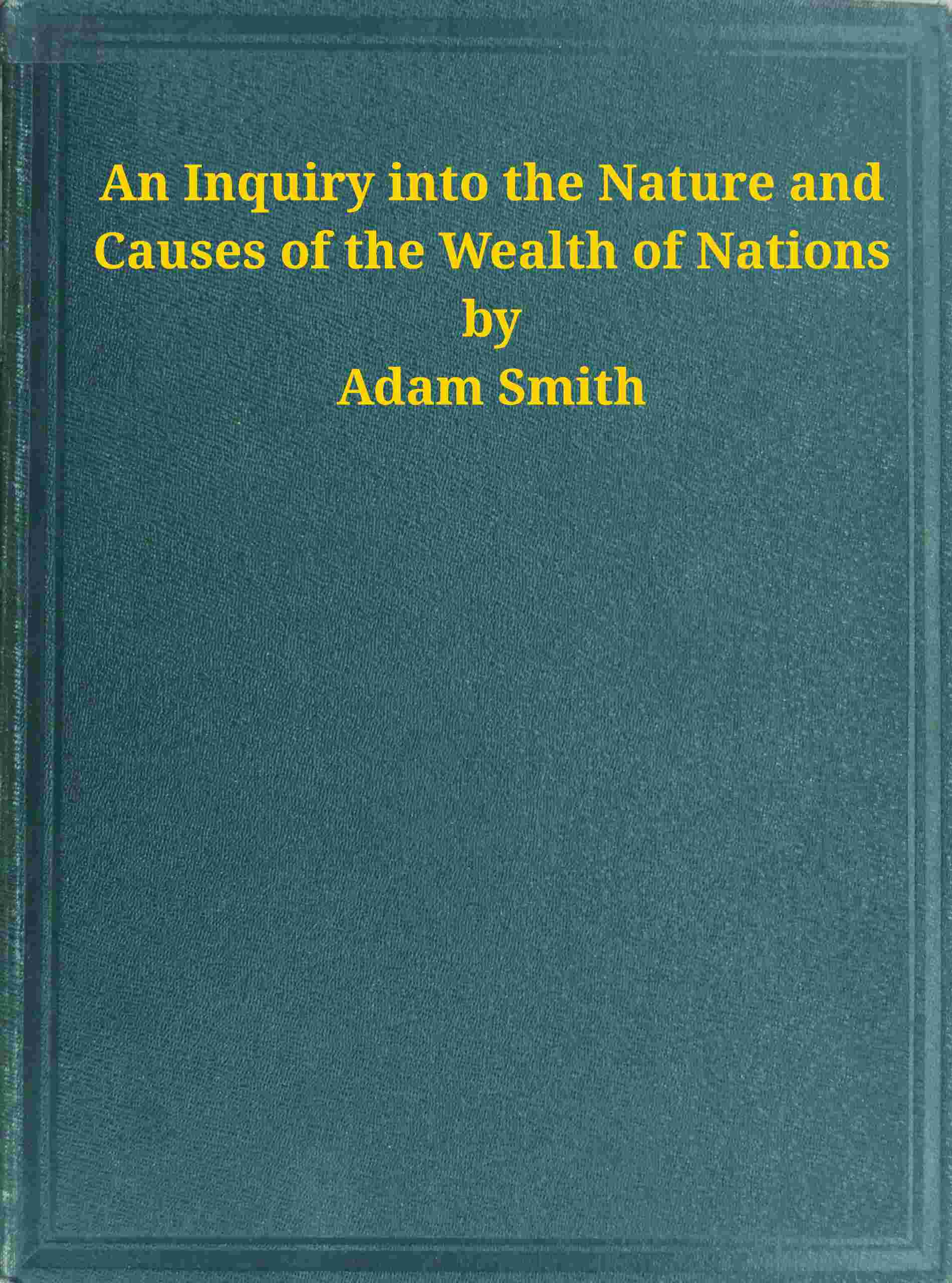
An Inquiry into the Nature and Causes of the Wealth of Nations
1776
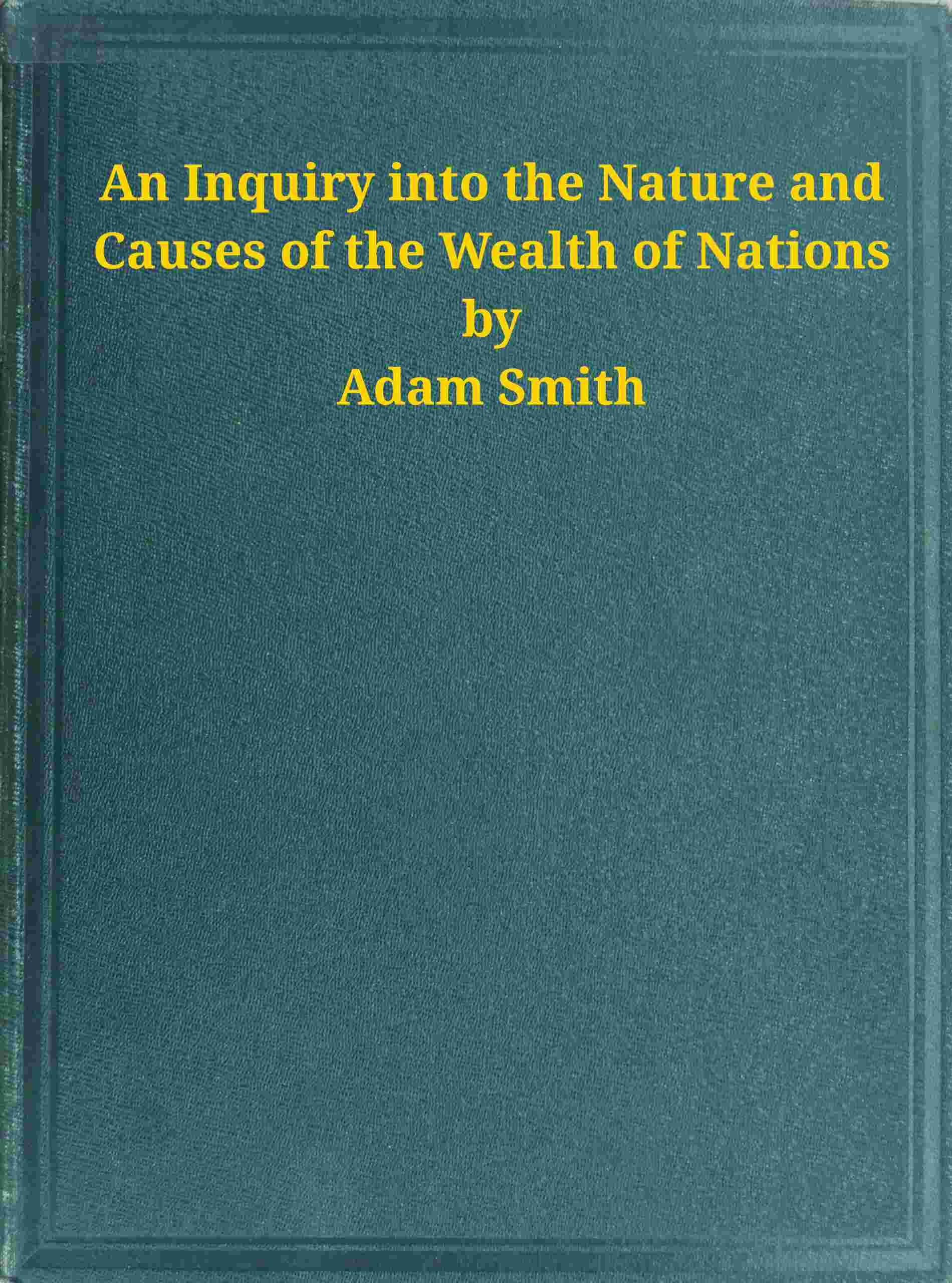
An Inquiry into the Nature and Causes of the Wealth of Nations
1776
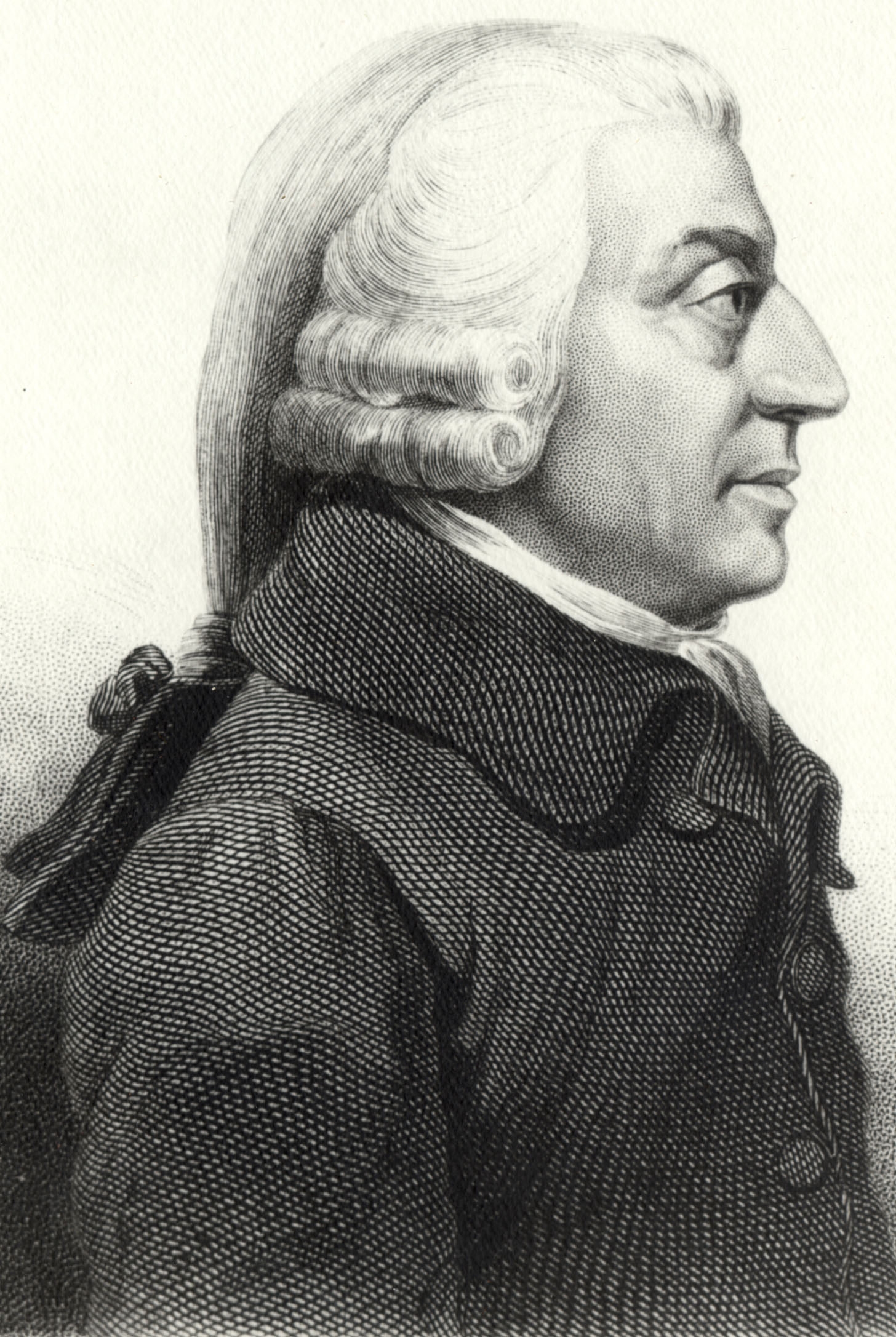
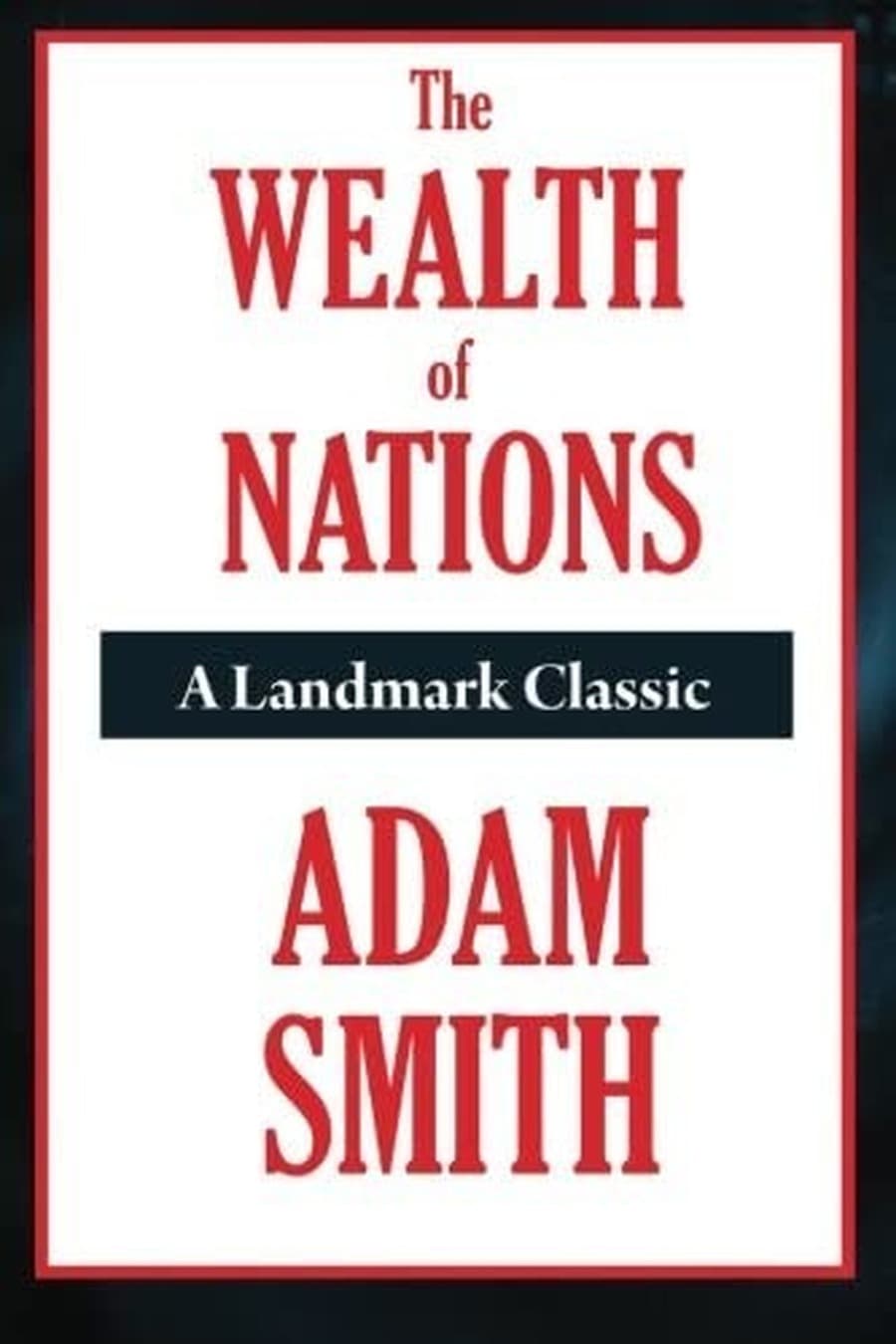
In 1776, a Scottish moral philosopher published a book that would quietly reshape the entire world. Adam Smith's *The Wealth of Nations* wasn't meant to be economics as we know it today, it was something far more ambitious: an inquiry into what makes societies flourish, why some nations grow rich while others stagnate, and what role human self-interest plays in that process. Smith argued that when people pursue their own interests in a free market, guided by what he called the "invisible hand," they often produce outcomes that benefit everyone, even without intending to. He illustrated this through the famous image of a pin factory: a dozen men, each specializing in one small task, could produce 48,000 pins a day, while a single man working alone might struggle to make one. This division of labor, Smith showed, was the engine of prosperity. But Smith was no simple ideologue. He also argued forcefully for government intervention in education, for public works, and for regulations against monopoly. Two and a half centuries later, this book remains the essential lens for understanding capitalism, trade wars, inequality, and the choices that define modern life. If you've ever wondered why global supply chains exist, why some jobs pay barely enough to survive, or whether free markets need rules, Smith still has answers that will surprise you.
Editions
X-Ray
“Science is the great antidote to the poison of enthusiasm and superstition.””
— Adam Smith
“The man whose whole life is spent in performing a few simple operations, of which the effects are perhaps always the same, or very nearly the same, has no occasion to exert his understanding or to exercise his invention in finding out expedients for removing difficulties which never occur. He naturally loses, therefore, the habit of such exertion, and generally becomes as stupid and ignorant as it is possible for a human creature to become. ””
— Adam Smith
“In regards to the price of commodities, the rise of wages operates as simple interest does, the rise of profit operates like compound interest. Our merchants and masters complain much of the bad effects of high wages in raising the price and lessening the sale of goods. They say nothing concerning the bad effects of high profits. They are silent with regard to the pernicious effects of their own gains. They complain only of those of other people.””
— Adam Smith
“People of the same trade seldom meet together, even for merriment and diversion, but the conversation ends in a conspiracy against the public, or in some contrivance to raise prices.””
— Adam Smith
“Wherever there is great property there is great inequality. For one very rich man there must be at least five hundred poor, and the affluence of the few supposes the indigence of the many. The affluence of the rich excites the indignation of the poor, who are often both driven by want, and prompted by envy, to invade his possessions.””
— Adam Smith
“Wherever there is great property, there is great inequality.””
— Adam Smith
“Man is an animal that makes bargains: no other animal does this - no dog exchanges bones with another.””
— Adam Smith
“Nobody ever saw a dog make a fair and deliberate exchange of one bone for another with another dog. Nobody ever saw one animal by its gestures and natural cries signify to another, this is mine, that yours; I am willing to give this for that....But man has almost constant occasion for the help of his brethren, and it is in vain for him to expect it from their benevolence only. He will be more likely to prevail if he can interest their self-love in his favour, and show them that it is for their own advantage to do for him what he requires of them. Whoever offers to another a bargain of any kind, proposes to do this. Give me that which I want, and you shall have this which you want, is the meaning of every such offer; and it is in this manner that we obtain from one another the far greater part of those good offices which we stand in need of.””
— Adam Smith
“The value of any commodity, therefore, to the person who possesses it, and who means not to use or consume it himself, but to exchange it for other commodities, is equal to the quantity of labour which it enables him to purchase or command. Labour, therefore, is the real measure of the exchangeable value of all commodities. The real price of everything, what everything really costs to the man who wants to acquire it, is the toil and trouble of acquiring it.””
— Adam Smith
Link to this book
Add a free, dofollow link to Lex on your blog, forum, syllabus, or reading list.

<a href="https://lex-books.com/book/an-inquiry-into-the-nature-and-causes-of-the-wealth-of-nations-fb89e1c1-a5b8-4a9a-8c1f-61ae4eec7ae7"><img src="https://lex-books.com/badges/read-on-lex.svg" alt="Read An Inquiry into the Nature and Causes of the Wealth of Nations by Adam Smith free on Lex" width="160" height="40"></a>[](https://lex-books.com/book/an-inquiry-into-the-nature-and-causes-of-the-wealth-of-nations-fb89e1c1-a5b8-4a9a-8c1f-61ae4eec7ae7)[url=https://lex-books.com/book/an-inquiry-into-the-nature-and-causes-of-the-wealth-of-nations-fb89e1c1-a5b8-4a9a-8c1f-61ae4eec7ae7][img]https://lex-books.com/badges/read-on-lex.svg[/img][/url]Read An Inquiry into the Nature and Causes of the Wealth of Nations by Adam Smith free on Lex: https://lex-books.com/book/an-inquiry-into-the-nature-and-causes-of-the-wealth-of-nations-fb89e1c1-a5b8-4a9a-8c1f-61ae4eec7ae7Cite this book
Reading this edition for a paper or guide? Copy a citation.
Smith, Adam. An Inquiry into the Nature and Causes of the Wealth of Nations. Lex, lex-books.com/book/an-inquiry-into-the-nature-and-causes-of-the-wealth-of-nations-fb89e1c1-a5b8-4a9a-8c1f-61ae4eec7ae7.Smith, A. (1776). An Inquiry into the Nature and Causes of the Wealth of Nations. Lex. https://lex-books.com/book/an-inquiry-into-the-nature-and-causes-of-the-wealth-of-nations-fb89e1c1-a5b8-4a9a-8c1f-61ae4eec7ae7Smith, Adam. An Inquiry into the Nature and Causes of the Wealth of Nations. Lex. https://lex-books.com/book/an-inquiry-into-the-nature-and-causes-of-the-wealth-of-nations-fb89e1c1-a5b8-4a9a-8c1f-61ae4eec7ae7.