Alhambra
1832
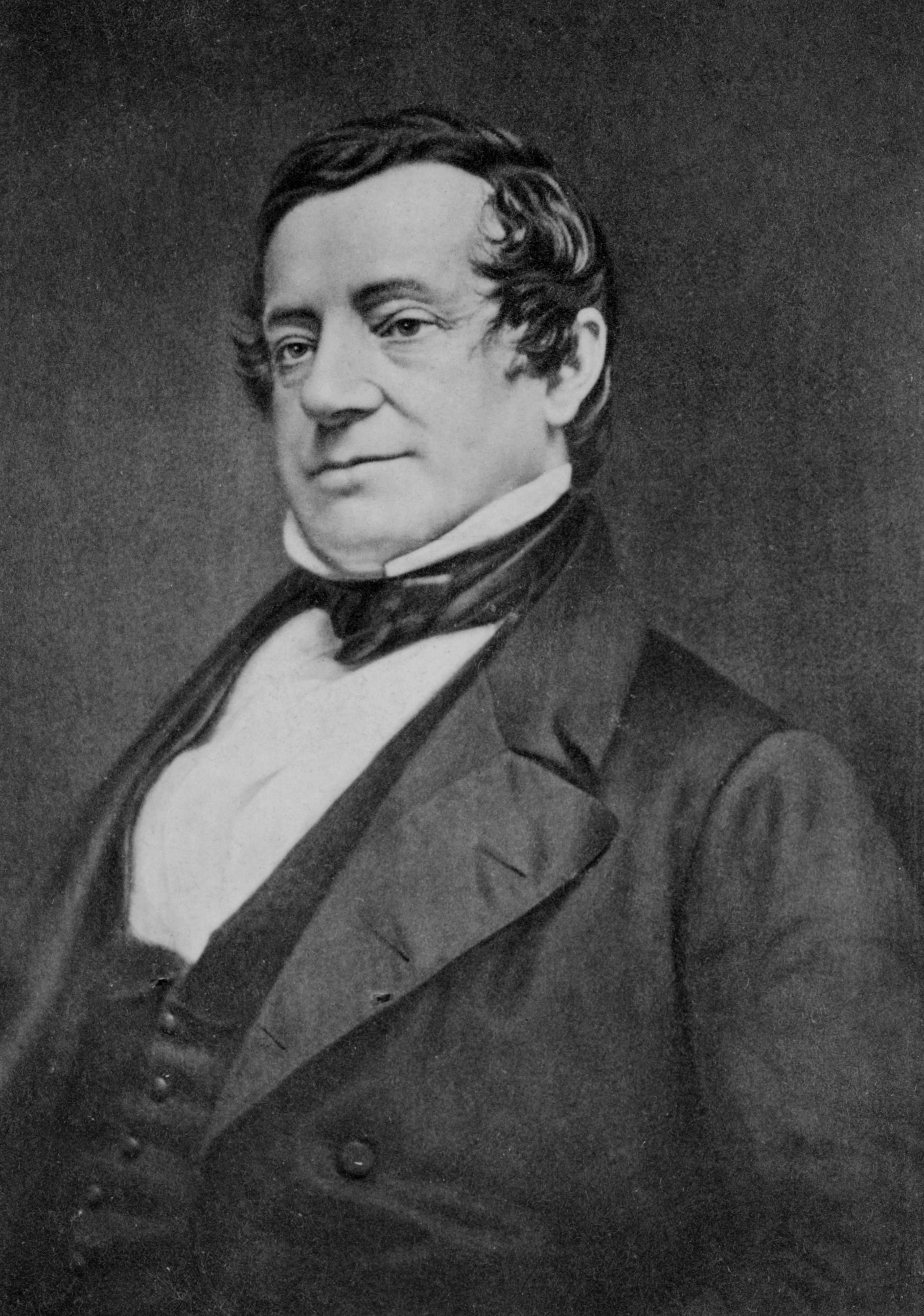
A travel narrative written in the early 19th century. The book recounts the author's explorations and reflections on the Alhambra, the famed Moorish palace in Granada, Spain, as well as the historical context and remnants of Moorish culture in the region. Through his journey, Irving captures the enchanting beauty and the rich history of the area, making it a compelling read for those interested in travel literature and historical accounts. The opening of the work sets the stage as Irving introduces his travels to Spain, specifically his venture into the mountainous regions leading to Granada and the Alhambra. He begins by reminiscing about previous adventures with a travel companion and shares observations about the stark yet majestic landscapes of the region. The narrative paints a vivid picture of the contrasting scenery, encapsulating Spanish culture through encounters with local inhabitants, their customs, and the pervasive aura of Moorish heritage. As he prepares to enter the Alhambra, Irving expresses his deep reverence for the site, foreshadowing a detailed exploration of its architectural wonders and the captivating stories intertwined with its storied past.
Editions
X-Ray
“Perhaps there never was a monument more characteristic of an age and people than the Alhambra; a rugged fortress without, a voluptuous palace within; war frowning from its battlements; poetry breathing throughout the fairy architecture of its halls.””
— Washington Irving
“No hay nadie en el mundo que atienda mejor que la pobretería en España el arte de no hacer nada y de vivir de nada; el clima del país contribuye con la mitad , el temperamento de las gentes aporta la otra mitad. Dad, en efecto, a un español la sombra en verano, el sol en invierno, un trozo de pan, ajos, aceite, garbanzos, una vieja capa y una guitarra, aunque no sea propia, los sones de la guitarra, ¡y que ruede el mundo como quiera! Hablarle de estreches! Para él no hay desgracia; la soportan sus hombros sin encogerse, lo mismo que cuando cuelga de ellos la raída capa. El español es siempre un hidalgo, aun en hambre y en harapos.””
— Washington Irving
“In the present day, when popular literature is running into the low levels of life, and luxuriating on the vices and follies of mankind; and when the universal pursuit of gain is trampling down the early growth of poetic feeling, and wearing out the verdure of the soul, I question whether it would not be of service for the reader occasionally to turn to these records of prouder times and loftier modes of thinking; and to steep himself to the very lips in old Spanish romance.””
— Washington Irving
“My object is merely to give the reader a general introduction into an abode where, if so disposed, he may linger and loiter with me day by day until we gradually become familiar with all its localities.””
— Washington Irving
“Éste fue el teatro de su transitoria alegría y hermosura, y allí estaban las huellas de su elegancia y regocijo. ¿Que ha sido de ellos y dónde están? ¡Polvo y cenizas!... ¡Habitantes de las tumbas!... ¡Fantasmas del recuerdo!...””
— Washington Irving
“It could not be denied, however, that he set a high value upon justice, for he sold it at its weight in gold.””
— Washington Irving
“Such were our minor preparations for the journey, but above all we laid in an ample stock of good-humour, and a genuine disposition to be pleased; determining to travel in true contrabandista style; taking things as we found them, rough or smooth, and mingling with all classes and conditions in a kind of vagabond companionship. It is the true way to travel in Spain.””
— Washington Irving
“it is added, that some of them retain the ancient maps and deeds of the estates and gardens of their ancestors at Granada, and even the keys of the houses, holding them as evidences of their hereditary claims, to be produced at the anticipated day of restoration.””
— Washington Irving
“la ternura de su naturaleza estaba en efervescencia, y que sólo necesitaba un objeto.””
— Washington Irving
Link to this book
Add a free, dofollow link to Lex on your blog, forum, syllabus, or reading list.

<a href="https://lex-books.com/book/alhambra-40ba8ba0-e23f-45b6-99a8-f71be2d3da6b"><img src="https://lex-books.com/badges/read-on-lex.svg" alt="Read Alhambra by Washington Irving free on Lex" width="160" height="40"></a>[](https://lex-books.com/book/alhambra-40ba8ba0-e23f-45b6-99a8-f71be2d3da6b)[url=https://lex-books.com/book/alhambra-40ba8ba0-e23f-45b6-99a8-f71be2d3da6b][img]https://lex-books.com/badges/read-on-lex.svg[/img][/url]Read Alhambra by Washington Irving free on Lex: https://lex-books.com/book/alhambra-40ba8ba0-e23f-45b6-99a8-f71be2d3da6bCite this book
Reading this edition for a paper or guide? Copy a citation.
Irving, Washington. Alhambra. Lex, lex-books.com/book/alhambra-40ba8ba0-e23f-45b6-99a8-f71be2d3da6b.Irving, W. (1832). Alhambra. Lex. https://lex-books.com/book/alhambra-40ba8ba0-e23f-45b6-99a8-f71be2d3da6bIrving, Washington. Alhambra. Lex. https://lex-books.com/book/alhambra-40ba8ba0-e23f-45b6-99a8-f71be2d3da6b.