Advice to Young Men: And (incidentally) to Young Women in the Middle and Higher Ranks of Life. in a Series of Letters, Addressed to a Youth, a Bachelor, a Lover, a Husband, a Father, a Citizen, or a Subject.
1829
Advice to Young Men: And (incidentally) to Young Women in the Middle and Higher Ranks of Life. in a Series of Letters, Addressed to a Youth, a Bachelor, a Lover, a Husband, a Father, a Citizen, or a Subject.
1829
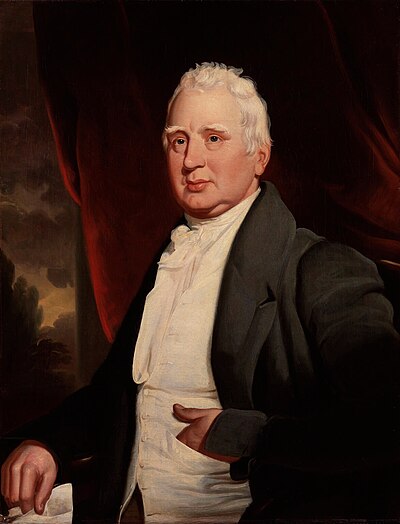
William Cobbett was a farmer's son who became one of the most feared political writers in English history, and this 1829 book is his passionate assault on idleness, vanity, and dependence. Structured as letters to a young man navigating life's stages, from youth through bachelorhood, love, marriage, fatherhood, and citizenship, Cobbett dispenses advice that feels less like a Victorian self-help manual and more like a furious, loving uncle setting you straight. He insists that true happiness comes only through honest labor and self-reliance; that a man who lives off others' work is a parasite; that sobriety, plain living, and mental discipline are the foundations of freedom. There is no gentility here, no smoothing of edges. He excoriates aristocracy, mocks fashionable vanity, and demands that young men think for themselves. Reading it feels like being shaken awake, Cobbett's prose crackles with conviction, and his contempt for easy living is genuinely radical. The book endures not because its every prescription fits modern life, but because its core argument, that independence is earned, not given, still pierces through two centuries of comfortable excuses. For readers tired of optimization culture and seeking something rawer, older, and unapologetically demanding.
Editions
X-Ray
“let me beseech you to resolve to free yourselves from the slavery of the tea and coffee and other slop-kettle,””
— William Cobbett
Link to this book
Add a free, dofollow link to Lex on your blog, forum, syllabus, or reading list.

<a href="https://lex-books.com/book/advice-to-young-men-and-incidentally-to-young-women-in-the-middle-and-higher-ran-1d683006-a6d2-4caf-b4a8-5bcaf9c7f5fe"><img src="https://lex-books.com/badges/read-on-lex.svg" alt="Read Advice to Young Men: And (incidentally) to Young Women in the Middle and Higher Ranks of Life. in a Series of Letters, Addressed to a Youth, a Bachelor, a Lover, a Husband, a Father, a Citizen, or a Subject. by William Cobbett free on Lex" width="160" height="40"></a>[](https://lex-books.com/book/advice-to-young-men-and-incidentally-to-young-women-in-the-middle-and-higher-ran-1d683006-a6d2-4caf-b4a8-5bcaf9c7f5fe)[url=https://lex-books.com/book/advice-to-young-men-and-incidentally-to-young-women-in-the-middle-and-higher-ran-1d683006-a6d2-4caf-b4a8-5bcaf9c7f5fe][img]https://lex-books.com/badges/read-on-lex.svg[/img][/url]Read Advice to Young Men: And (incidentally) to Young Women in the Middle and Higher Ranks of Life. in a Series of Letters, Addressed to a Youth, a Bachelor, a Lover, a Husband, a Father, a Citizen, or a Subject. by William Cobbett free on Lex: https://lex-books.com/book/advice-to-young-men-and-incidentally-to-young-women-in-the-middle-and-higher-ran-1d683006-a6d2-4caf-b4a8-5bcaf9c7f5feCite this book
Reading this edition for a paper or guide? Copy a citation.
Cobbett, William. Advice to Young Men: And (incidentally) to Young Women in the Middle and Higher Ranks of Life. in a Series of Letters, Addressed to a Youth, a Bachelor, a Lover, a Husband, a Father, a Citizen, or a Subject.. Lex, lex-books.com/book/advice-to-young-men-and-incidentally-to-young-women-in-the-middle-and-higher-ran-1d683006-a6d2-4caf-b4a8-5bcaf9c7f5fe.Cobbett, W. (1829). Advice to Young Men: And (incidentally) to Young Women in the Middle and Higher Ranks of Life. in a Series of Letters, Addressed to a Youth, a Bachelor, a Lover, a Husband, a Father, a Citizen, or a Subject.. Lex. https://lex-books.com/book/advice-to-young-men-and-incidentally-to-young-women-in-the-middle-and-higher-ran-1d683006-a6d2-4caf-b4a8-5bcaf9c7f5feCobbett, William. Advice to Young Men: And (incidentally) to Young Women in the Middle and Higher Ranks of Life. in a Series of Letters, Addressed to a Youth, a Bachelor, a Lover, a Husband, a Father, a Citizen, or a Subject.. Lex. https://lex-books.com/book/advice-to-young-men-and-incidentally-to-young-women-in-the-middle-and-higher-ran-1d683006-a6d2-4caf-b4a8-5bcaf9c7f5fe.