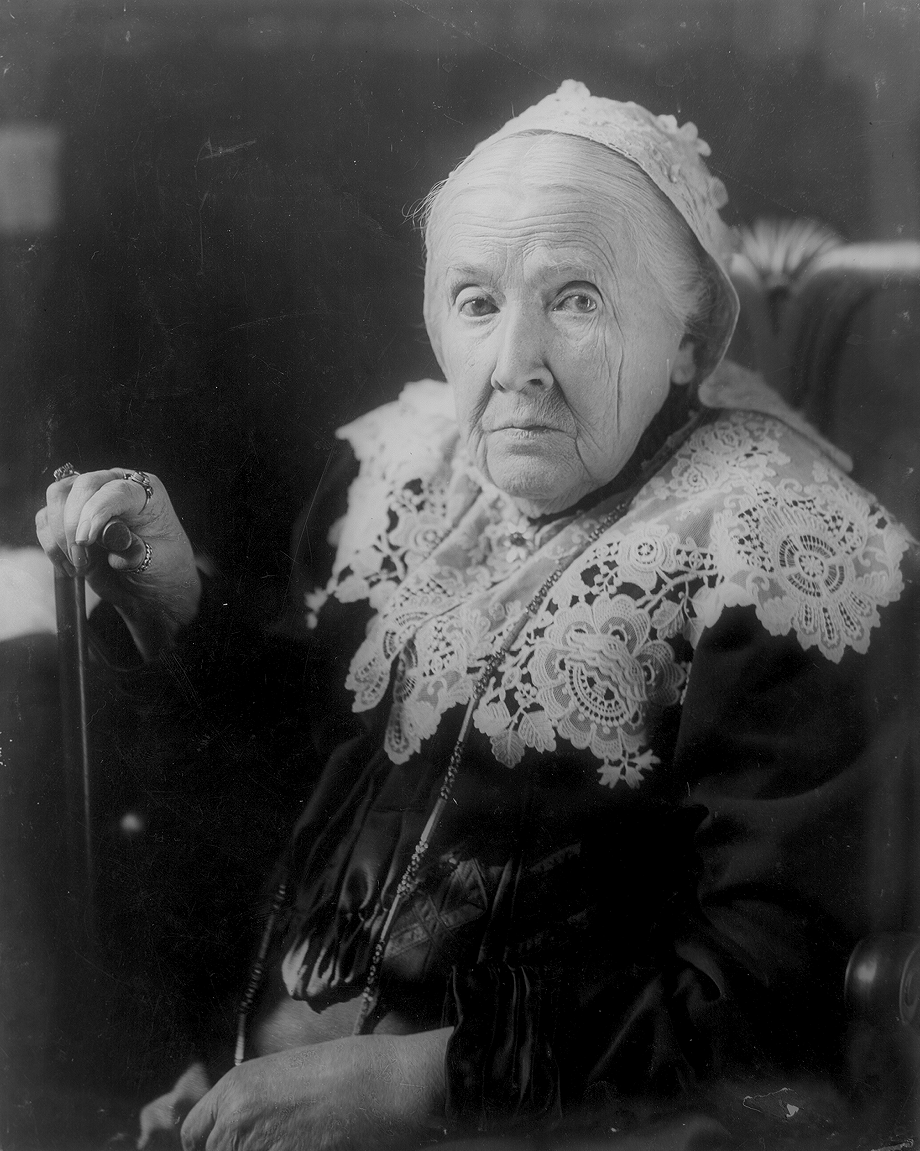
In 1860, on the eve of the American Civil War, Julia Ward Howe, the poet who gave America "The Battle Hymn of the Republic", set sail for Cuba aboard the British Mail steamer Karnak. What begins as a woman's travel narrative becomes something sharper: a keen-eyed account of a society built on enslaved labor, observed by a writer whose abolitionist convictions colored every landing. Howe captures the physical experience of sea travel in vivid detail, the nausea, the restless anticipation, the first sight of Nassau's luminous shores, but her real interest lies in what she finds in Cuba itself. The colony's economic structures, its Spanish governance, its human costs. The prose is lively and often funny, but beneath the humor lies a moral observer refusing to look away. This is Victorian travel writing with a conscience, a window into what an educated American woman saw and thought as the nation hurtled toward civil war.