A Sicilian Romance
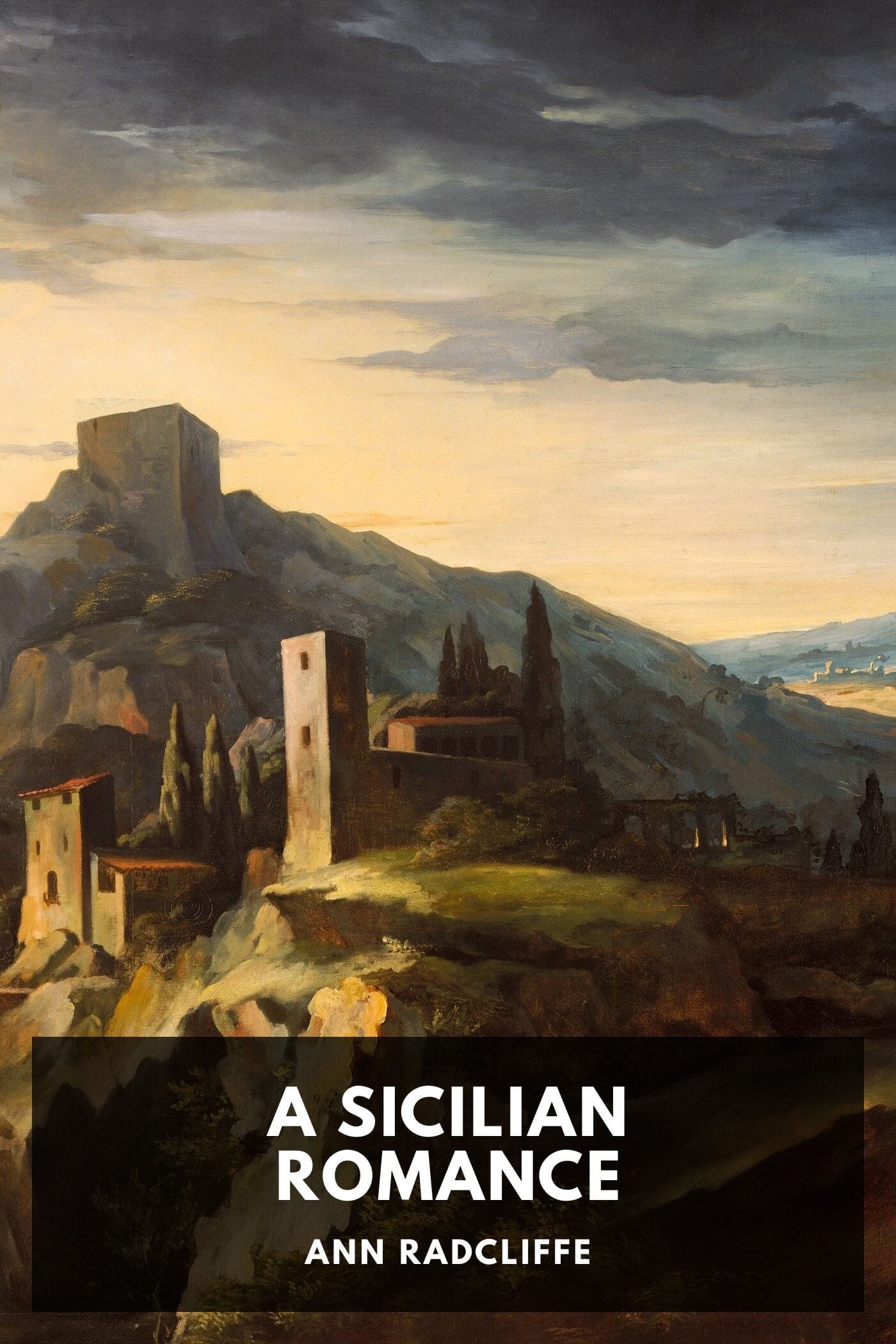
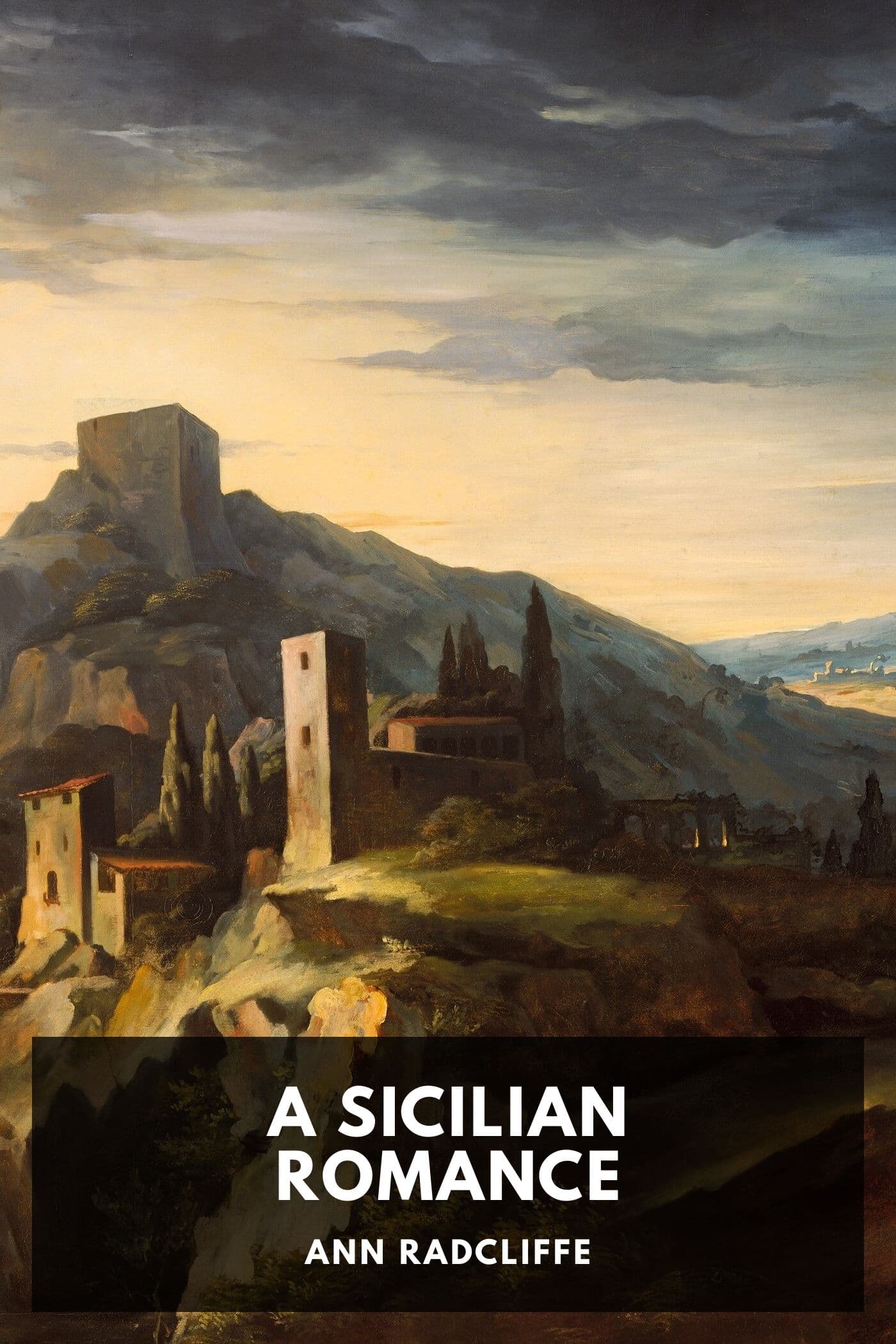
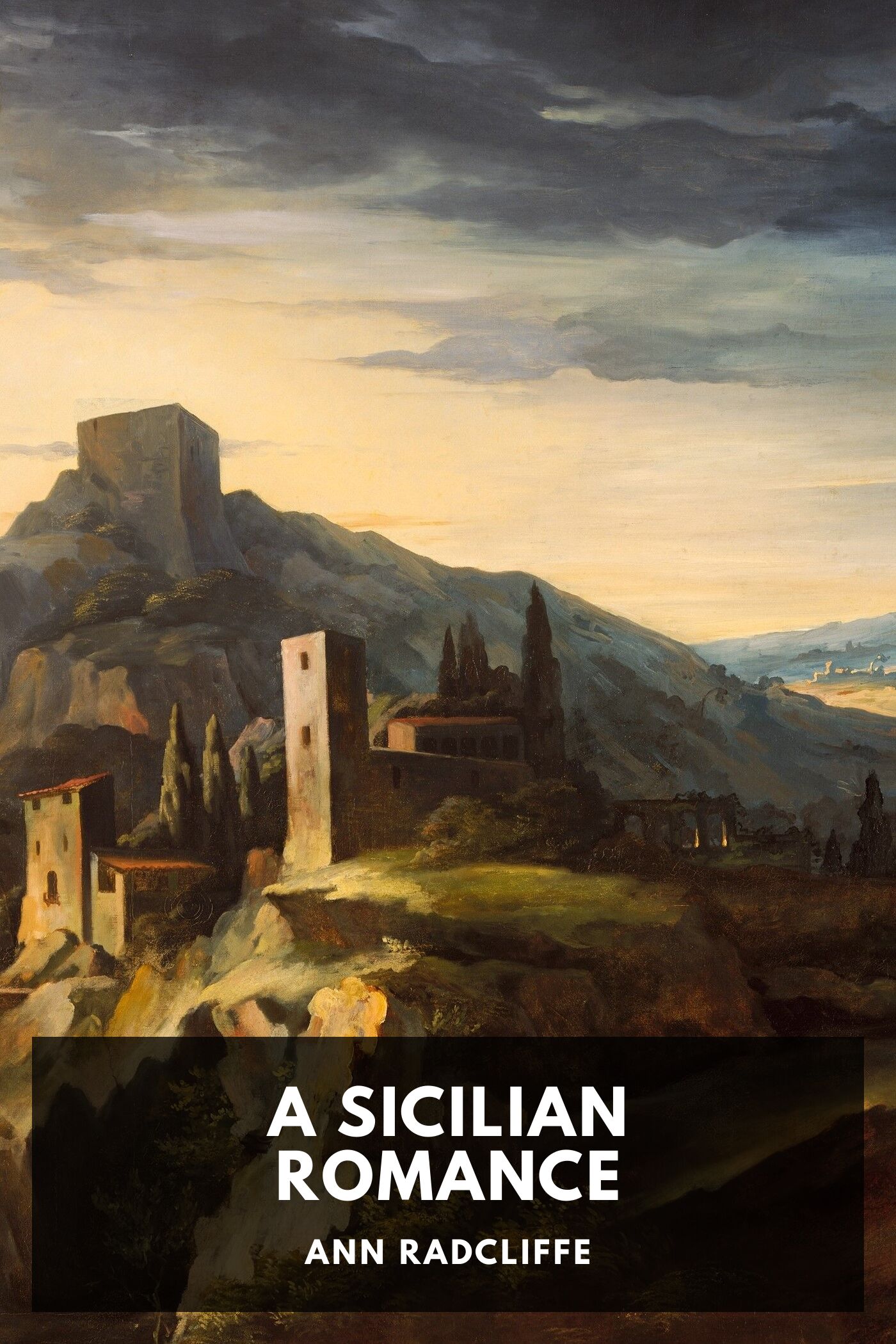
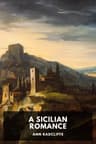
Step into the crumbling ruins of Mazzini Castle, where a chance encounter with a monk leads a curious tourist to an ancient manuscript. This harrowing document unveils the tragic tale of Julia and Emilia Mazzini, two sisters whose lives are upended by their tyrannical father's return and the sinister secrets lurking within the castle's neglected southern wing. As supernatural phenomena plague their ancestral home, the sisters find themselves entangled in a web of familial tyranny, dark mysteries, and the chilling specter of the past. Ann Radcliffe, the undisputed queen of early Gothic literature, masterfully crafts a world of suspense and atmospheric dread without resorting to cheap scares. *A Sicilian Romance*, her second published work, showcases her signature blend of picturesque landscapes, psychological tension, and the tantalizing hint of the supernatural, all while exploring themes of female agency and patriarchal oppression. It’s a foundational text for understanding the genre's evolution and Radcliffe's enduring influence on literary terror.
Editions
X-Ray
The younger daughter of the Marquis Mazzini, passionate and imaginative with a warm temperament. She falls in love with Count Hippolitus de Vereza and struggles against her father's tyrannical attempts to force her into marriage with the Duke de Luovo.
Julia's noble brother who becomes friends with Hippolitus and helps Julia escape from their father's tyranny. He is brave, loyal, and willing to sacrifice himself for his sister's happiness.
A noble young count who falls in love with Julia. He is honorable, brave, and devoted, willing to risk everything for love. He is wounded by the Marquis but survives.
Julia's tyrannical father, a man of violent passions and cruel ambition. He imprisons his first wife and attempts to force Julia into marriage for political gain. He dies by poison administered by his second wife.
About A Sicilian Romance
Chapter Summaries
- Preface
- The narrator discovers the ruins of Castle Mazzini in Sicily and meets a friar who tells him of the castle's dark history. The friar provides access to a manuscript containing the family's tragic story.
- I
- Introduction to the Marquis Mazzini, his daughters Julia and Emilia, and their governess Madame de Menon. The mysterious southern buildings of the castle are introduced, along with strange lights and sounds that terrify the servants.
- II
- Ferdinand's coming-of-age celebration brings the Marchioness and Count Hippolitus to the castle. Julia and Hippolitus fall in love during the festivities, but the Marchioness becomes jealous of Julia's beauty and Hippolitus's attention to her.
Key Themes
- Tyranny vs. Freedom
- The novel explores the abuse of patriarchal and political power, particularly through the Marquis's tyrannical control over his family. Julia's struggle for freedom represents the conflict between individual liberty and oppressive authority.
- True Love vs. Forced Marriage
- Julia's pure love for Hippolitus contrasts sharply with her father's attempt to force her into marriage with the Duke for political gain. The novel champions romantic love based on mutual affection and respect.
- Virtue and Vice
- The story presents clear moral distinctions between virtuous characters like Julia, Ferdinand, and the Marchioness, and villainous ones like the Marquis and Maria de Vellorno, showing how virtue ultimately triumphs.
Characters
- Julia Mazzini(protagonist)
- The younger daughter of the Marquis Mazzini, passionate and imaginative with a warm temperament. She falls in love with Count Hippolitus de Vereza and struggles against her father's tyrannical attempts to force her into marriage with the Duke de Luovo.
- Ferdinand Mazzini(major)
- Julia's noble brother who becomes friends with Hippolitus and helps Julia escape from their father's tyranny. He is brave, loyal, and willing to sacrifice himself for his sister's happiness.
- Count Hippolitus de Vereza(major)
- A noble young count who falls in love with Julia. He is honorable, brave, and devoted, willing to risk everything for love. He is wounded by the Marquis but survives.
- Marquis Mazzini(antagonist)
- Julia's tyrannical father, a man of violent passions and cruel ambition. He imprisons his first wife and attempts to force Julia into marriage for political gain. He dies by poison administered by his second wife.
- Marchioness Louisa Mazzini(major)
- Julia's mother, the first wife of the Marquis, who is secretly imprisoned in the castle's dungeons for fifteen years. She maintains her faith and dignity despite her suffering.
- Emilia Mazzini(major)
- Julia's older sister, gentle and mild-tempered with a sweet disposition. She suffers under the tyranny of her father and stepmother but maintains her virtue and kindness.
Link to this book
Add a free, dofollow link to Lex on your blog, forum, syllabus, or reading list.

<a href="https://lex-books.com/book/a-sicilian-romance-bff0afe3-8043-4722-a424-36562f5caa55"><img src="https://lex-books.com/badges/read-on-lex.svg" alt="Read A Sicilian Romance by Ann Radcliffe free on Lex" width="160" height="40"></a>[](https://lex-books.com/book/a-sicilian-romance-bff0afe3-8043-4722-a424-36562f5caa55)[url=https://lex-books.com/book/a-sicilian-romance-bff0afe3-8043-4722-a424-36562f5caa55][img]https://lex-books.com/badges/read-on-lex.svg[/img][/url]Read A Sicilian Romance by Ann Radcliffe free on Lex: https://lex-books.com/book/a-sicilian-romance-bff0afe3-8043-4722-a424-36562f5caa55Cite this book
Reading this edition for a paper or guide? Copy a citation.
Radcliffe, Ann. A Sicilian Romance. Lex, lex-books.com/book/a-sicilian-romance-bff0afe3-8043-4722-a424-36562f5caa55.Radcliffe, A. (n.d.). A Sicilian Romance. Lex. https://lex-books.com/book/a-sicilian-romance-bff0afe3-8043-4722-a424-36562f5caa55Radcliffe, Ann. A Sicilian Romance. Lex. https://lex-books.com/book/a-sicilian-romance-bff0afe3-8043-4722-a424-36562f5caa55.