A La Pagaïe: Sur L'escaut, Le Canal De Willebroeck, La Sambre Et L'oise
1878
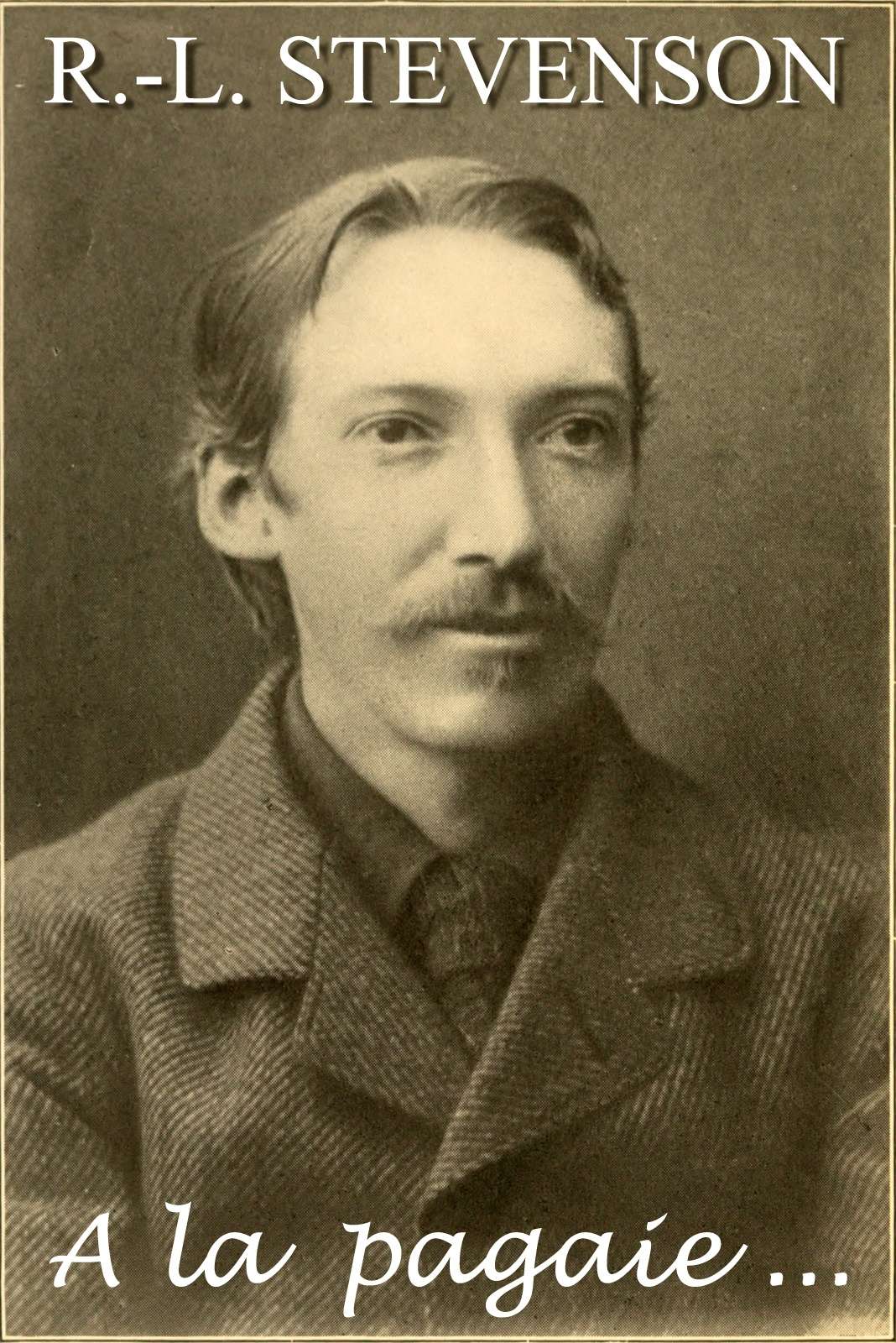
A La Pagaïe: Sur L'escaut, Le Canal De Willebroeck, La Sambre Et L'oise
1878
Translated by Lucien Lemaire
“A la pagaïe : sur l’Escaut, le canal de Willebroeck, la Sambre et l’Oise” by Robert Louis Stevenson is a travel narrative written in the late 19th century. This book recounts Stevenson’s journey by canoe through rivers and canals in Belgium and northern France, accompanied by his friend, affectionately called “la Cigarette.” The main focus lies in the leisurely and often humorous observations of landscapes, local people, and the small but meaningful adventures encountered along the way. The opening of the book introduces the unique charm of Stevenson’s travel writing, distinct from his better-known adventure and historical novels, emphasizing the pleasures and challenges of slow travel off the beaten path. It begins with several prefaces—first from a literary scholar praising Stevenson’s gentle, artistic approach to travel, and then Stevenson himself, who sets a modest tone for his work and acknowledges the companionship of his friend. As the narrative begins, Stevenson and la Cigarette launch their canoes from Antwerp, immediately experiencing the quirks of weather, unfamiliar customs, and the hospitality and oddities of local inns and people. The story rapidly settles into a rhythm of picturesque details, personal reflection, and lighthearted social commentary, as the pair paddle from town to town, encountering everyone from skeptical customs officials to curious children, always with Stevenson’s playful wit and an eye for life’s ironies and delights.
Editions
Link to this book
Add a free, dofollow link to Lex on your blog, forum, syllabus, or reading list.

<a href="https://lex-books.com/book/a-la-paga-e-sur-l-escaut-le-canal-de-willebroeck-la-sambre-et-l-oise-e6658187-0973-4b05-98ca-f8ab869682e2"><img src="https://lex-books.com/badges/read-on-lex.svg" alt="Read A La Pagaïe: Sur L'escaut, Le Canal De Willebroeck, La Sambre Et L'oise by Robert Louis Stevenson free on Lex" width="160" height="40"></a>[](https://lex-books.com/book/a-la-paga-e-sur-l-escaut-le-canal-de-willebroeck-la-sambre-et-l-oise-e6658187-0973-4b05-98ca-f8ab869682e2)[url=https://lex-books.com/book/a-la-paga-e-sur-l-escaut-le-canal-de-willebroeck-la-sambre-et-l-oise-e6658187-0973-4b05-98ca-f8ab869682e2][img]https://lex-books.com/badges/read-on-lex.svg[/img][/url]Read A La Pagaïe: Sur L'escaut, Le Canal De Willebroeck, La Sambre Et L'oise by Robert Louis Stevenson free on Lex: https://lex-books.com/book/a-la-paga-e-sur-l-escaut-le-canal-de-willebroeck-la-sambre-et-l-oise-e6658187-0973-4b05-98ca-f8ab869682e2Cite this book
Reading this edition for a paper or guide? Copy a citation.
Stevenson, Robert Louis. A La Pagaïe: Sur L'escaut, Le Canal De Willebroeck, La Sambre Et L'oise. Lex, lex-books.com/book/a-la-paga-e-sur-l-escaut-le-canal-de-willebroeck-la-sambre-et-l-oise-e6658187-0973-4b05-98ca-f8ab869682e2.Stevenson, R. L. (1878). A La Pagaïe: Sur L'escaut, Le Canal De Willebroeck, La Sambre Et L'oise. Lex. https://lex-books.com/book/a-la-paga-e-sur-l-escaut-le-canal-de-willebroeck-la-sambre-et-l-oise-e6658187-0973-4b05-98ca-f8ab869682e2Stevenson, Robert Louis. A La Pagaïe: Sur L'escaut, Le Canal De Willebroeck, La Sambre Et L'oise. Lex. https://lex-books.com/book/a-la-paga-e-sur-l-escaut-le-canal-de-willebroeck-la-sambre-et-l-oise-e6658187-0973-4b05-98ca-f8ab869682e2.