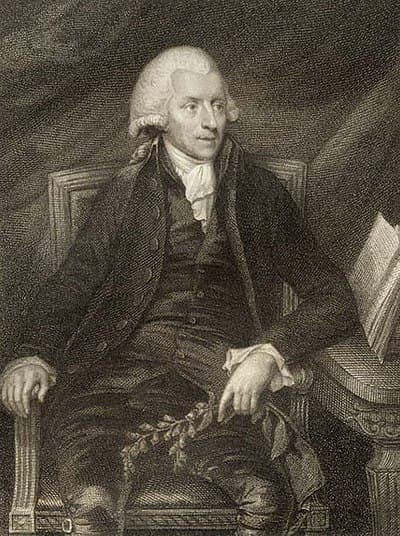
William Withering
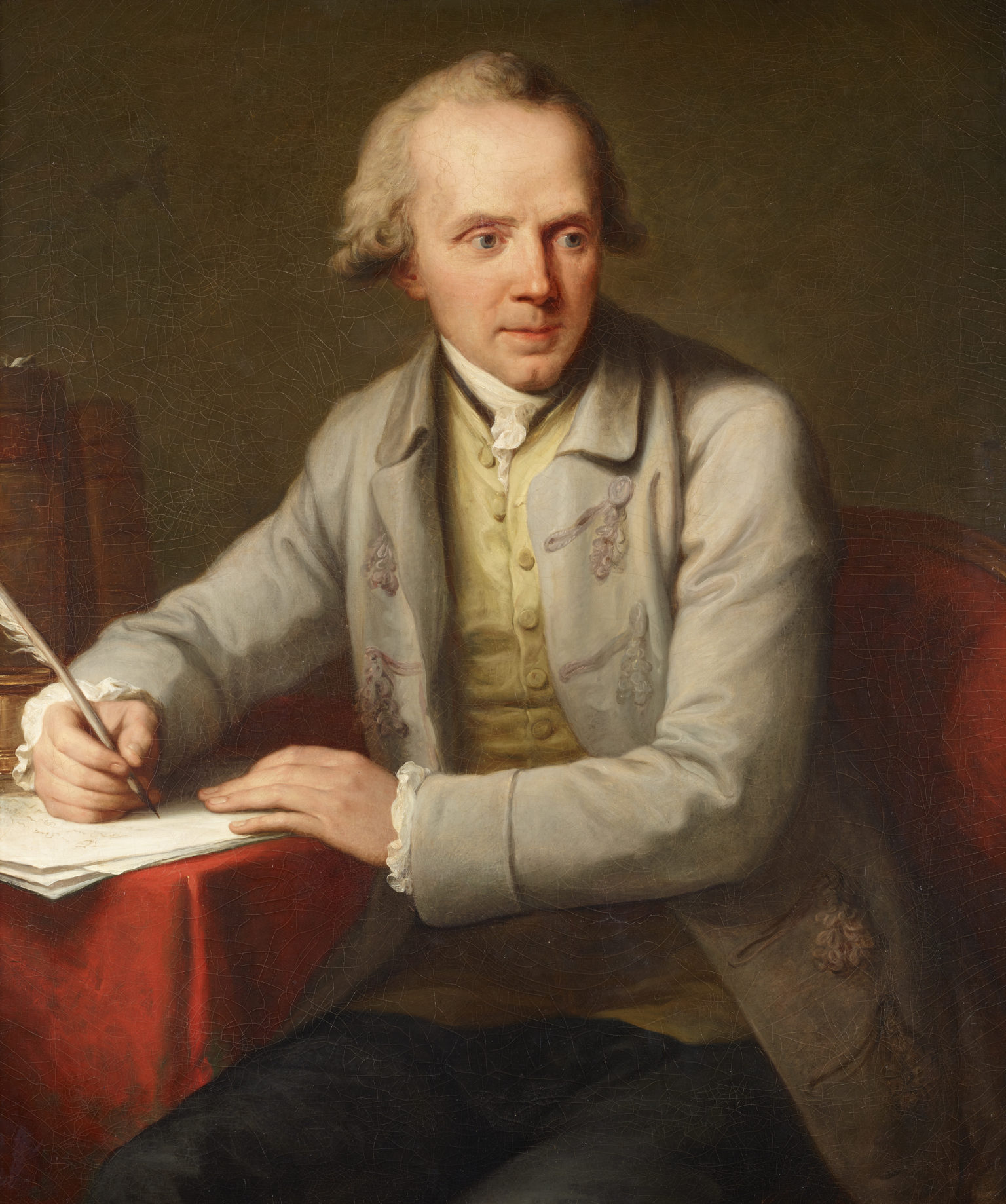
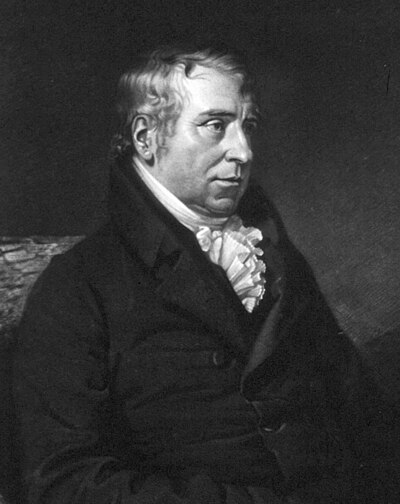
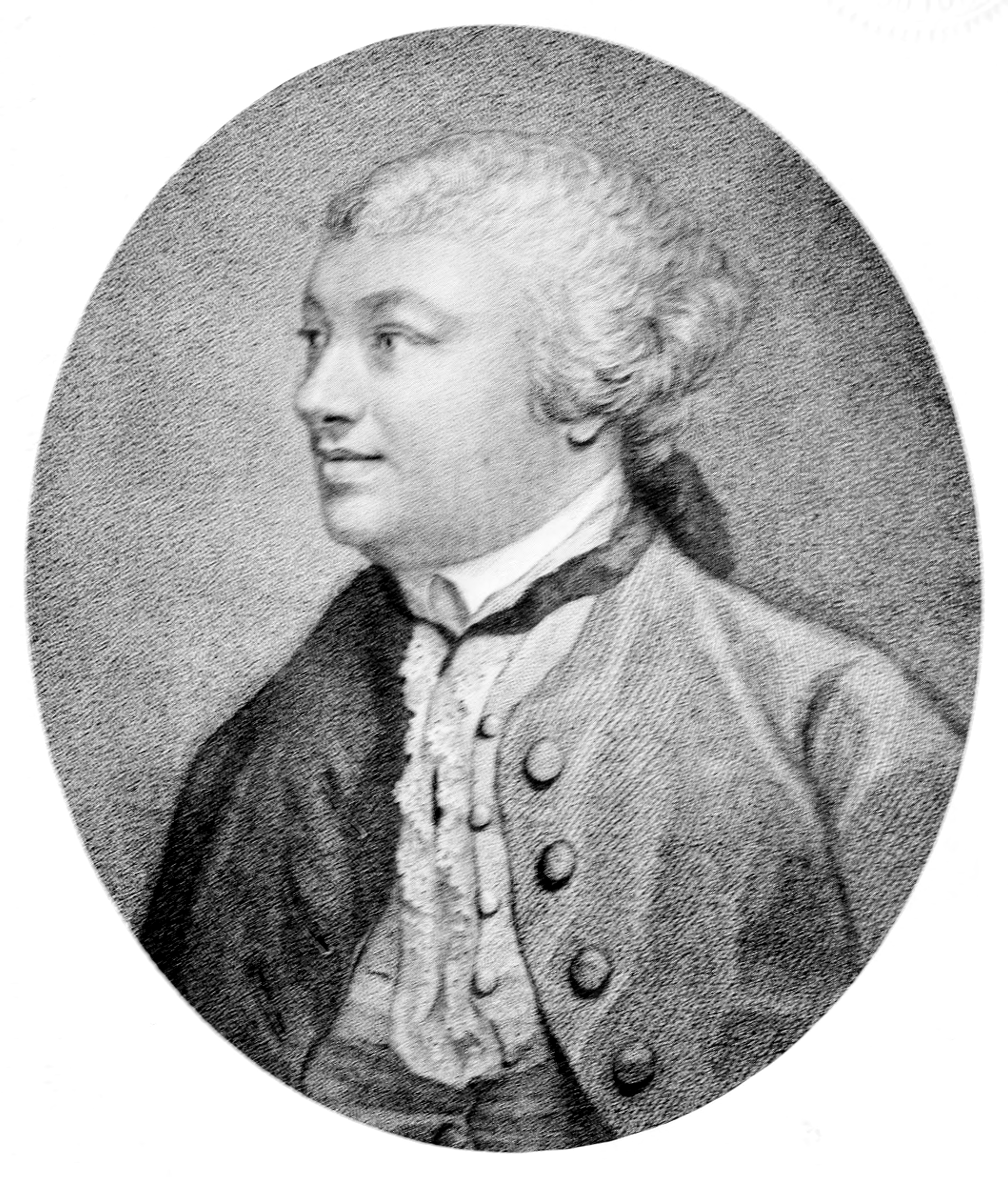
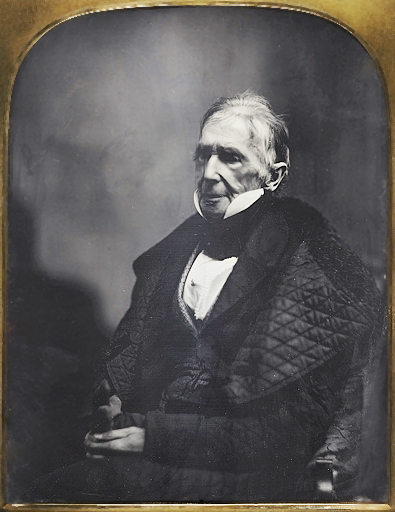
William Withering was an English botanist, geologist, chemist, and physician, renowned for his pioneering work in pharmacology, particularly concerning the foxglove plant. Born in Wellington, Shropshire, he was the son of a surgeon and trained as a physician at the University of Edinburgh Medical School. After establishing his medical practice, he began working at Birmingham General Hospital in 1779, where he made a significant discovery that would change the course of cardiac medicine. Notably, he observed a patient with dropsy improve dramatically after using a traditional herbal remedy, leading him to identify the active compound responsible for this effect as digoxin, derived from the foxglove plant. In 1785, Withering published "An Account of the Foxglove and some of its Medical Uses," a groundbreaking work that documented his clinical trials and detailed the effects and potential toxicity of digitalis. This publication not only established him as the first systematic investigator of digitalis but also laid the foundation for its use in treating heart conditions. Withering's contributions to medicine and botany were instrumental in advancing the understanding of plant-based therapies, and his legacy endures in the field of pharmacology, where his insights continue to influence modern practices.
Famous Quotes
View all 15 quotes“God spreads the heavens above us like great wingsAnd gives a little round of deeds and days,And then come the wrecked angels and set snares,And bait them with light hopes and heavy dreams,Until the heart is puffed with pride and goesHalf shuddering and half joyous from God's peace;And it was some wrecked angel, blind with tears,Who flattered Edane's heart with merry words.Come, faeries, take me out of this dull house!Let me have all the freedom I have lost;Work when I will and idle when I will!Faeries, come take me out of this dull world,For I would ride with you upon the wind,Run on the top of the dishevelled tide,And dance upon the mountains like a flame. I would take the worldAnd break it into pieces in my handsTo see you smile watching it crumble away. Once a fly dancing in a beam of the sun,Or the light wind blowing out of the dawn,Could fill your heart with dreams none other knew,But now the indissoluble sacramentHas mixed your heart that was most proud and coldWith my warm heart for ever; the sun and moonMust fade and heaven be rolled up like a scrollBut your white spirit still walk by my spirit. When winter sleep is abroad my hair grows thin,My feet unsteady. When the leaves awakenMy mother carries me in her golden arms;I'll soon put on my womanhood and marryThe spirits of wood and water, but who can tellWhen I was born for the first time? The wind blows out of the gates of the day,The wind blows over the lonely of heart,And the lonely of heart is withered away;While the faeries dance in a place apart,Shaking their milk-white feet in a ring,Tossing their milk-white arms in the air;For they hear the wind laugh and murmur and singOf a land where even the old are fair,And even the wise are merry of tongue;But I heard a reed of Coolaney say--When the wind has laughed and murmured and sung,The lonely of heart is withered away.””
“There’s rosemary, that’s for remembrance; pray, love, remember; and there is pansies, that’s for thoughts...There’s fennel for you, and columbines; there’s rue for you, and here’s some for me; we may call it herb of grace o’ Sundays. O, you must wear your rue with a difference. There’s a daisy. I would give you some violets, but they wither’d all when my father died. They say he made a good end,”
“What is the price of Experience? Do men buy it for a song? Or wisdom for a dance in the street? No, it is bought with the priceOf all that a man hath, his house, his wife, his childrenWisdom is sold in the desolate market where none come to buyAnd in the wither'd field where the farmer ploughs for bread in vain It is an easy thing to triumph in the summer's sunAnd in the vintage and to sing on the waggon loaded with cornIt is an easy thing to talk of patience to the afflictedTo speak the laws of prudence to the homeless wandererTo listen to the hungry raven's cry in wintry seasonWhen the red blood is fill'd with wine and with the marrow of lambs””
Books from the author





Link to this page
Add a free, dofollow link to Lex on your blog, forum, syllabus, or reading list.

<a href="https://lex-books.com/author/william-withering"><img src="https://lex-books.com/badges/read-on-lex.svg" alt="William Withering on Lex" width="160" height="40"></a>[](https://lex-books.com/author/william-withering)[url=https://lex-books.com/author/william-withering][img]https://lex-books.com/badges/read-on-lex.svg[/img][/url]William Withering on Lex: https://lex-books.com/author/william-withering