
William S. Hart
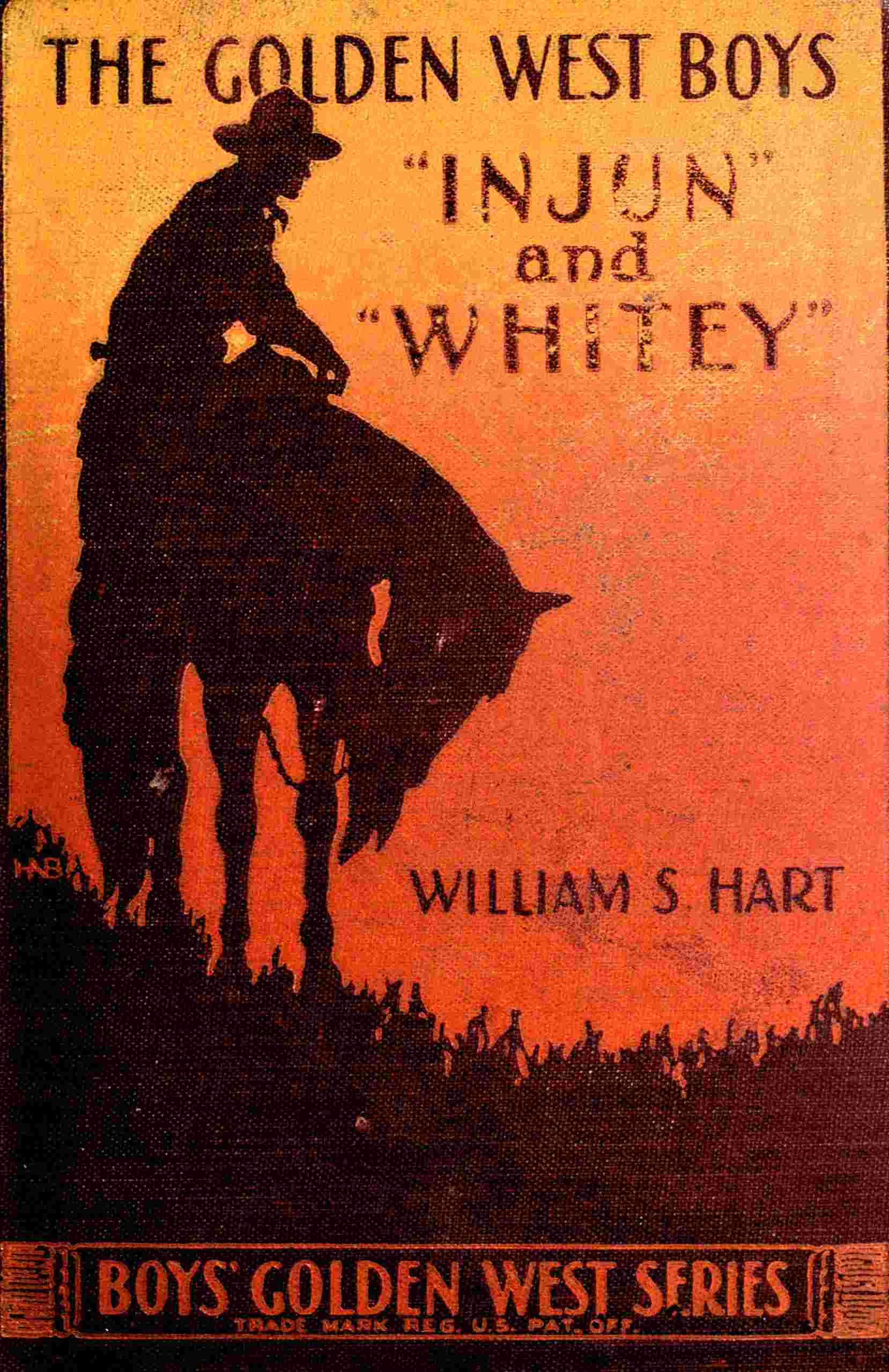
William S. Hart was a pioneering American silent film actor, director, and producer, widely recognized for his significant contributions to the Western genre. Born in Newburgh, New York, Hart initially pursued a career in the theater, but he soon transitioned to film, where he became one of the first major stars of the silent era. His rugged persona and strong screen presence helped define the archetype of the Western hero. Hart starred in several influential films, including "The Bargain" and "Hell's Hinges," which showcased his ability to blend action with moral complexity, setting a new standard for storytelling in Westerns. Beyond his acting career, Hart was instrumental in shaping the Western film narrative, often portraying characters that embodied the struggles between civilization and the untamed frontier. His work influenced a generation of filmmakers and actors, laying the groundwork for the genre's evolution in the years to come. Hart's legacy extends beyond his films; he was also a vocal advocate for the rights of actors and the importance of artistic integrity in Hollywood. His contributions to cinema were recognized posthumously, solidifying his status as a key figure in the history of American film.
Famous Quotes
View all 16 quotes“I do not carry anyone on my shoulders to take him to the final goal. Nobody can carry anyone else on his shoulders to the final goal. At most, with love and compassion one can say, ‘Well, this is the path, and this is how I have walked on it. You also work, you also walk, and you will reach the final goal.’ But each person has to walk himself, has to take every step on the path himself. He who has taken one step on the path is one step nearer the goal. He who has taken a hundred steps is a hundred steps nearer the goal. He who has taken all the steps on the path has reached the final goal. You have to walk on the path yourself.”9””
“Whatever necessities you require, work to get them. If you fail to get something, then smile and try again in a different way. If you succeed, then enjoy what you get, but without attachment.””
“And what causes these reactions? Observing at the deepest level of reality, he understood that reaction occurs because of ignorance. We are unaware of the fact that we react, and unaware of the real nature of what we react to. We are ignorant of the im-permanent, impersonal nature of our existence and ignorant that attachment to it brings nothing but suffering. Not knowing our real nature, we react blindly. Not even knowing that we have reacted, we persist in our blind reactions and allow them to intensify. Thus we become imprisoned in the habit of reacting, because of ignorance. This is how the Wheel of Suffering starts turning: If ignorance arises, reaction occurs; if reaction arises, consciousness occurs; if consciousness arises, mind-and-matter occur; if mind-and-matter arise, the six senses occur; if the six senses arise, contact occurs; if contact arises, sensation occurs; if sensation arises, craving and aversion occur; if craving and aversion arise, attachment occurs; if attachment arises, the process of becoming occurs; if the process of becoming arises, birth occurs; if birth arises, decay and death occur, together with sorrow, lamentation, physical and mental suffering, and tribulations. Thus arises this entire mass of suffering.””
Books from the author




Link to this page
Add a free, dofollow link to Lex on your blog, forum, syllabus, or reading list.

<a href="https://lex-books.com/author/william-s-hart"><img src="https://lex-books.com/badges/read-on-lex.svg" alt="William S. Hart on Lex" width="160" height="40"></a>[](https://lex-books.com/author/william-s-hart)[url=https://lex-books.com/author/william-s-hart][img]https://lex-books.com/badges/read-on-lex.svg[/img][/url]William S. Hart on Lex: https://lex-books.com/author/william-s-hart