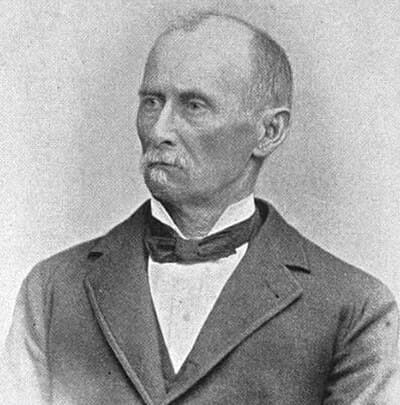
William Henry Baker
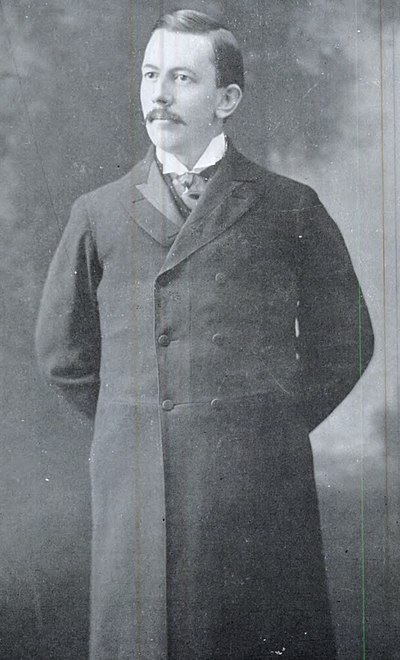
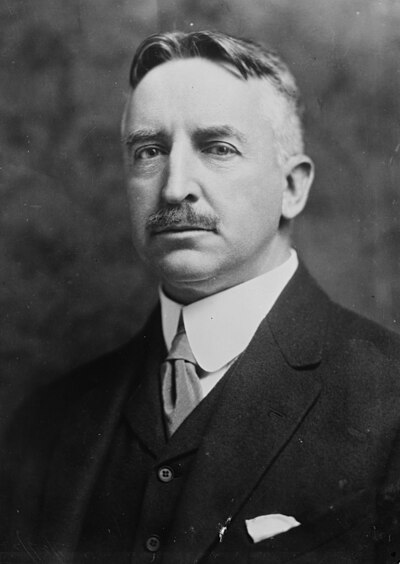
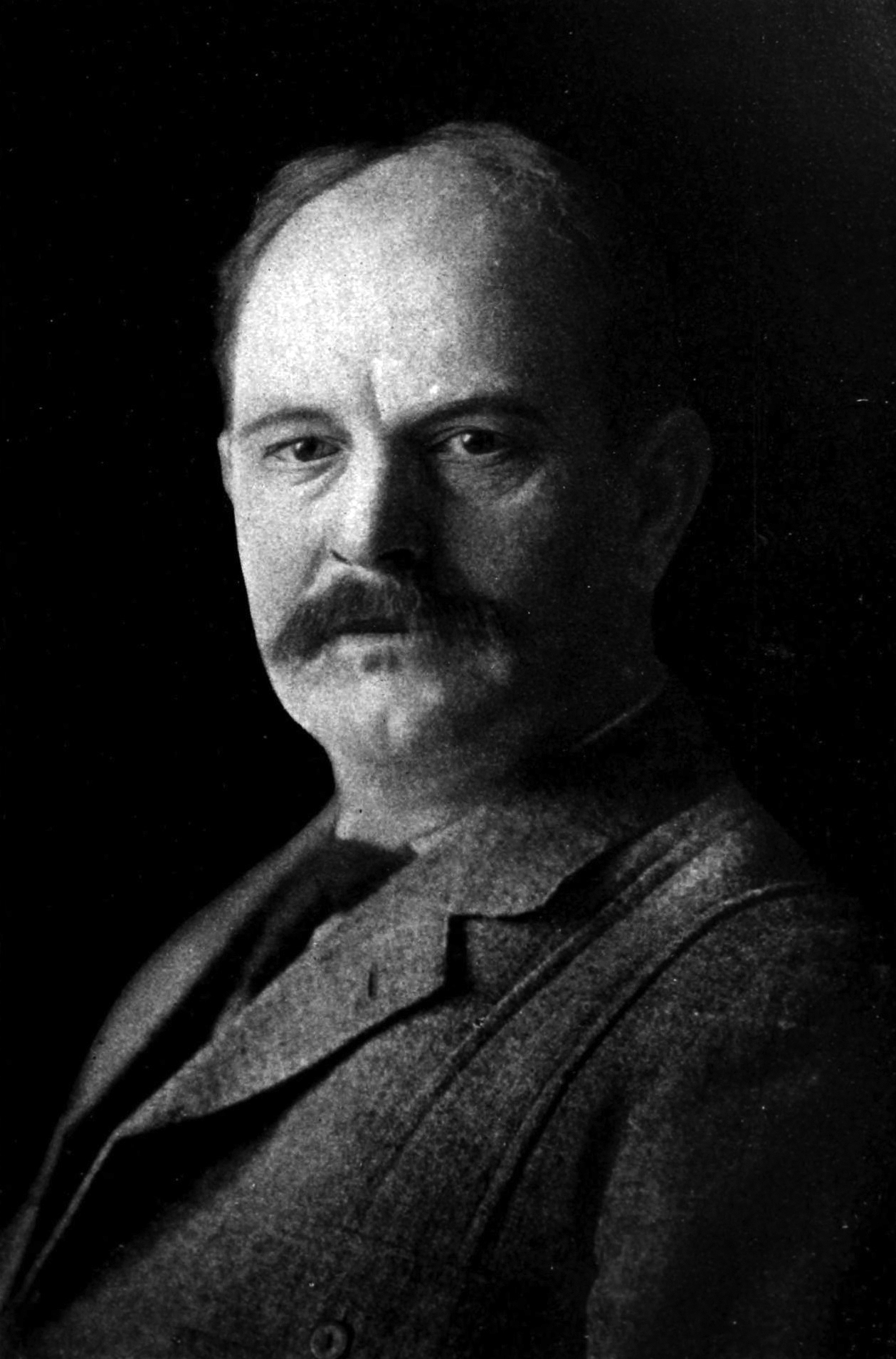
William Henry Baker was an American politician known for his service as a U.S. Representative from New York. Born in 1827, he played a significant role in the political landscape of his time, contributing to various legislative efforts during his tenure. His political career was marked by a commitment to the issues facing his constituents and a dedication to public service. Baker's influence extended beyond his immediate responsibilities, as he engaged with the broader political movements of the era, reflecting the changing dynamics of American society. His legacy is remembered in the context of the evolving political landscape of the late 19th and early 20th centuries, where he navigated the complexities of governance and representation in a rapidly changing nation.
Famous Quotes
View all 1 quotes“Elsewhere as Baker muses on the fluidity and apparent joyfulness of a seal’s motion at sea he speculates: It is a good life, a seal’s, here in these shallow waters. Like the lives of so many air and water creatures, it seems a better one than ours. We have no element. Nothing sustains us when we fall. Here Baker edges towards a remarkable revelation about the whole nature-writing genre. On reading the passage, one thinks of the specific creatures (as well as their most devoted author/admirers) that have made the deepest appeal to the modern British imagination: the otter (Henry Williamson, Gavin Maxwell), whales and dolphins (Heathcote Williams and the whole New-Age fixation with cetaceans) and birds, particularly birds of prey (W.H. Hudson, T.H. White and J.A. Baker himself). If we cannot move between the elements like these wonderful animals, then humans can at least imagine what it is like to be an otter or a peregrine. But no writer I know has taken us deeper into the life of another creature and allowed us to experience how that elemental mastery might possibly feel than John Alec Baker. Mark Cocker, March 2010””
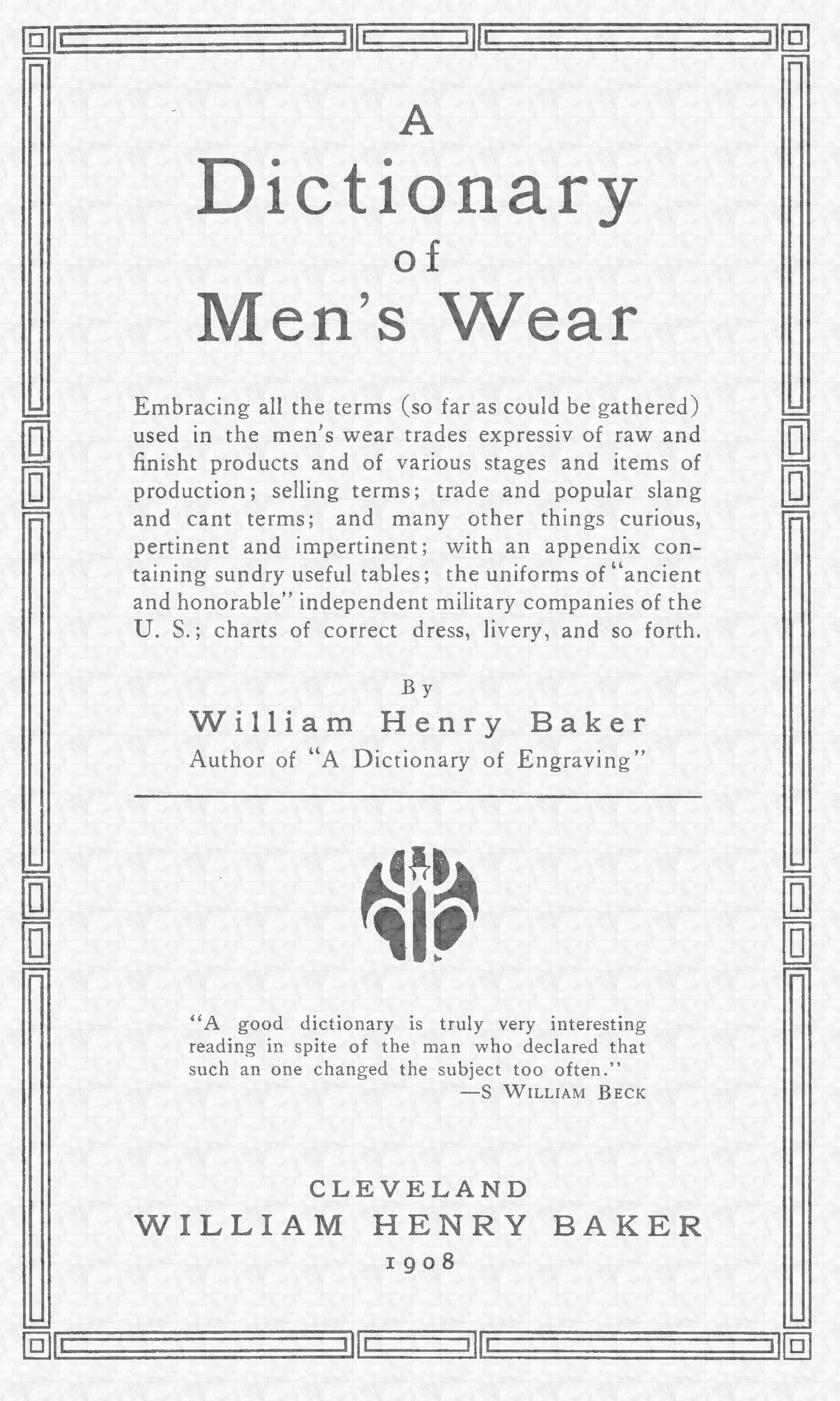
Books from the author


Link to this page
Add a free, dofollow link to Lex on your blog, forum, syllabus, or reading list.

<a href="https://lex-books.com/author/william-henry-baker"><img src="https://lex-books.com/badges/read-on-lex.svg" alt="William Henry Baker on Lex" width="160" height="40"></a>[](https://lex-books.com/author/william-henry-baker)[url=https://lex-books.com/author/william-henry-baker][img]https://lex-books.com/badges/read-on-lex.svg[/img][/url]William Henry Baker on Lex: https://lex-books.com/author/william-henry-baker