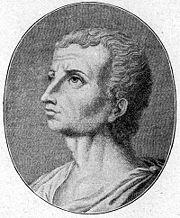
Titus Livius
Titus Livius, commonly known as Livy, was a Roman historian whose monumental work, 'Ab Urbe Condita,' chronicles the history of Rome from its legendary foundation to the early days of the Roman Empire. Born in Patavium (modern-day Padua), Livy was educated in rhetoric and philosophy, which influenced his narrative style and approach to history. His writings reflect not only the events of his time but also the moral and ethical lessons he believed could be drawn from Rome's past, emphasizing the virtues of the Republic and the dangers of moral decay. Livy's historical accounts are notable for their depth and detail, providing insight into the political and social dynamics of ancient Rome. His work is characterized by a blend of factual reporting and dramatic storytelling, making it both informative and engaging. Livy's influence extended beyond his lifetime, shaping the understanding of Roman history for centuries and inspiring later historians and writers. His legacy endures as a foundational text in the study of Roman history, and his reflections on the rise and fall of civilizations continue to resonate in discussions of governance and morality in contemporary society.
Books from the author
Link to this page
Add a free, dofollow link to Lex on your blog, forum, syllabus, or reading list.

<a href="https://lex-books.com/author/titus-livius"><img src="https://lex-books.com/badges/read-on-lex.svg" alt="Titus Livius on Lex" width="160" height="40"></a>[](https://lex-books.com/author/titus-livius)[url=https://lex-books.com/author/titus-livius][img]https://lex-books.com/badges/read-on-lex.svg[/img][/url]Titus Livius on Lex: https://lex-books.com/author/titus-livius