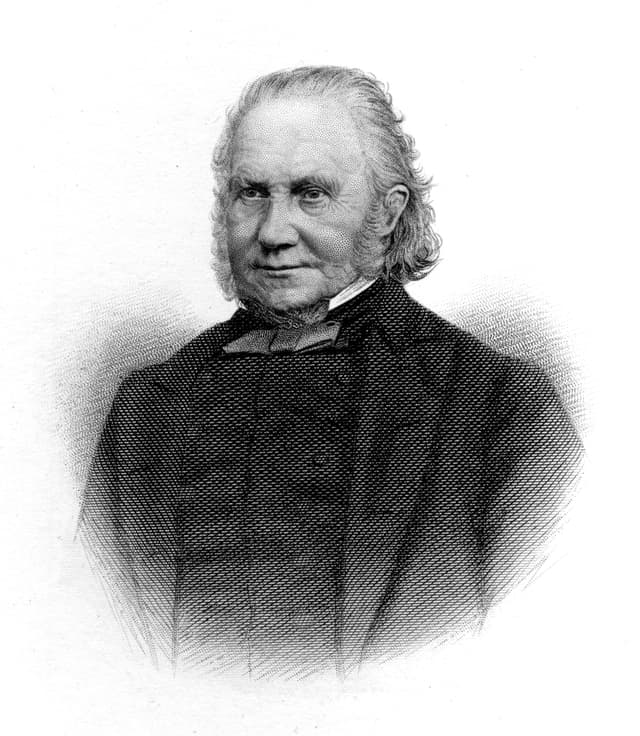
Thomas Cooper
Thomas Cooper was an influential English bishop, lexicographer, theologian, and writer, known for his contributions to religious literature and the English language. He served as the Bishop of Winchester and was a prominent figure in the Church of England during a time of significant religious change. Cooper's most notable work, 'Thesaurus Linguae Romanae et Britannicae,' was one of the earliest English dictionaries, which helped to standardize the language and provided a resource for scholars and writers alike. His efforts in lexicography were groundbreaking, as they laid the foundation for future dictionaries and influenced the development of English as a literary language. In addition to his lexicographical achievements, Cooper was a prolific writer of theological texts and poetry. His works often reflected the tensions of his time, addressing issues of faith, morality, and the complexities of human experience. Cooper's legacy endures through his contributions to both literature and the church, as he navigated the challenges of the Reformation and sought to articulate a vision of faith that resonated with his contemporaries. His commitment to education and language has left a lasting impact on English literature and lexicography, marking him as a significant figure in the history of English thought.
Famous Quotes
View all 12 quotes“I agree with yours of the 22d that . but we cannot always do what is absolutely best. those with whom we act, entertaining different views, have the power and the right of carrying them into practice. truth advances, & error recedes step by step only; and to do to our fellow-men the most good in our power, we must lead where we can, follow where we cannot, and still go with them, watching always the favorable moment for helping them to another step.[]””
“There is no real direction here, neither lines of power nor cooperation. Decisions are never really made – at best they manage to emerge, from a chaos of peeves, whims, hallucinations and all around assholery. ””
“There exists indeed an opposition to it [] by the friends of William and Mary, which is not strong. The most restive is that of the . In this the Presbyterian clergy take the lead. The tocsin is sounded in all their pulpits, and the first alarm denounced is against the particular creed of Doctr. Cooper; and as impudently denounced as if they really knew what it is.[]””
Books from the author




Link to this page
Add a free, dofollow link to Lex on your blog, forum, syllabus, or reading list.

<a href="https://lex-books.com/author/thomas-cooper"><img src="https://lex-books.com/badges/read-on-lex.svg" alt="Thomas Cooper on Lex" width="160" height="40"></a>[](https://lex-books.com/author/thomas-cooper)[url=https://lex-books.com/author/thomas-cooper][img]https://lex-books.com/badges/read-on-lex.svg[/img][/url]Thomas Cooper on Lex: https://lex-books.com/author/thomas-cooper