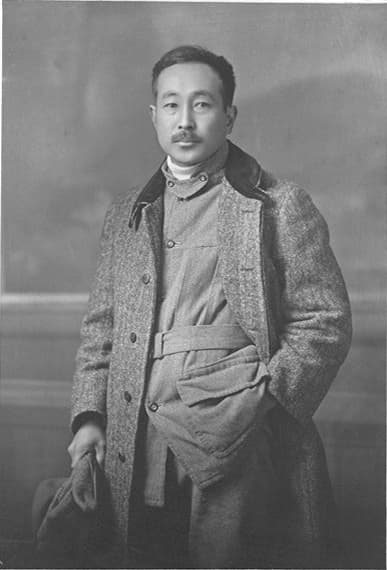
Takeo Arishima
Takeo Arishima was a prominent Japanese novelist, short-story writer, and essayist active during the late Meiji and Taishō periods. Born into a literary family, he was influenced by the cultural shifts of his time, which shaped his writing style and thematic concerns. Arishima's works often explored the complexities of human emotions and social issues, reflecting the struggles of individuals against societal norms. His notable works include 'The Paper Door' and 'The Woman Who Touched the Legs of Men', which delve into themes of love, identity, and existential angst, marking him as a significant figure in modern Japanese literature. Arishima's literary contributions are characterized by their psychological depth and innovative narrative techniques, which set the stage for future generations of writers. His exploration of the human psyche and social critique positioned him as a precursor to the more radical literary movements that followed. Despite his untimely death at a young age, Arishima's legacy endures through his influence on contemporary Japanese literature and his family's literary lineage, including his brothers and son, who also made their mark in the arts.
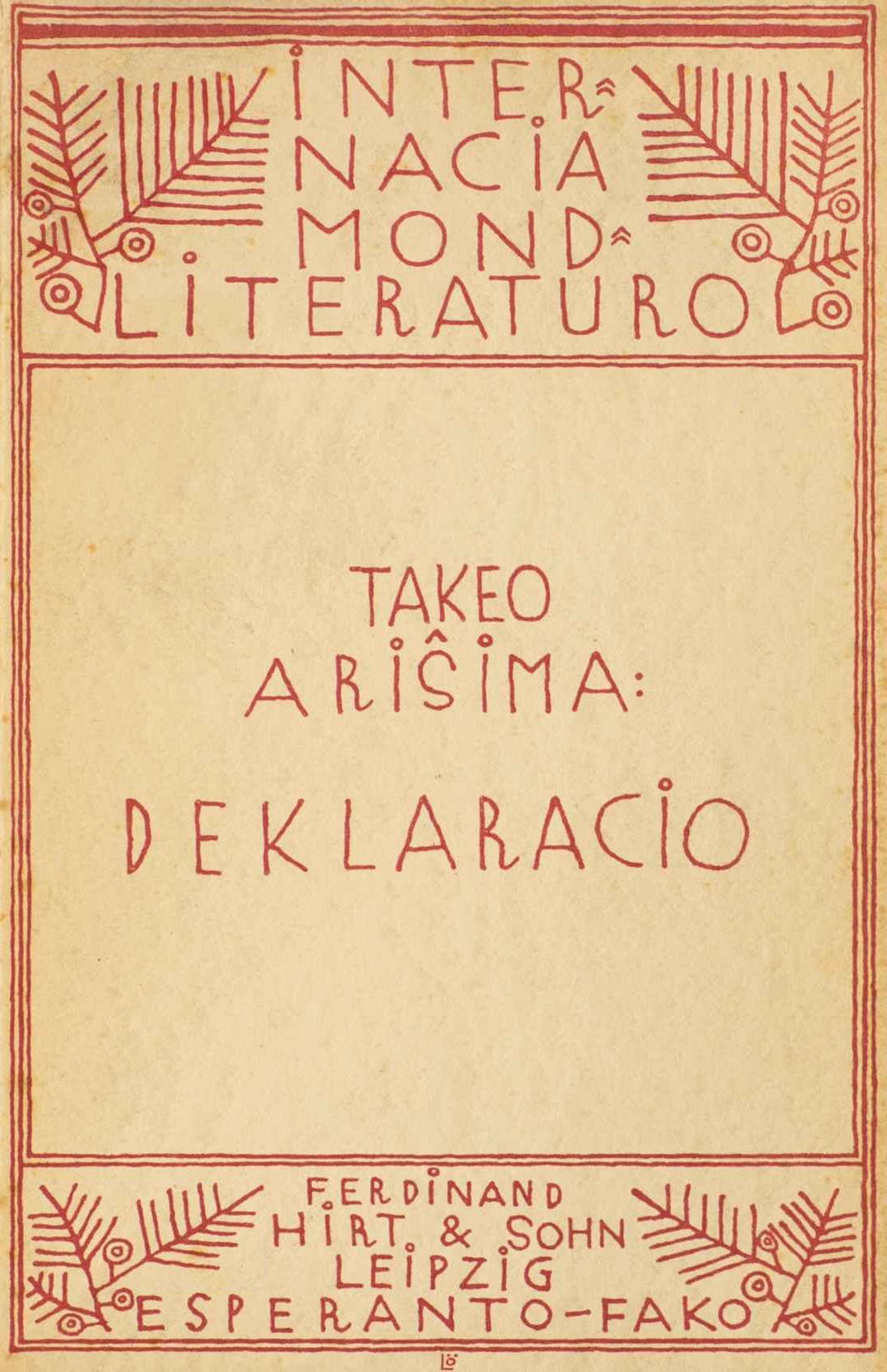
Books from the author





Link to this page
Add a free, dofollow link to Lex on your blog, forum, syllabus, or reading list.

<a href="https://lex-books.com/author/takeo-arishima"><img src="https://lex-books.com/badges/read-on-lex.svg" alt="Takeo Arishima on Lex" width="160" height="40"></a>[](https://lex-books.com/author/takeo-arishima)[url=https://lex-books.com/author/takeo-arishima][img]https://lex-books.com/badges/read-on-lex.svg[/img][/url]Takeo Arishima on Lex: https://lex-books.com/author/takeo-arishima