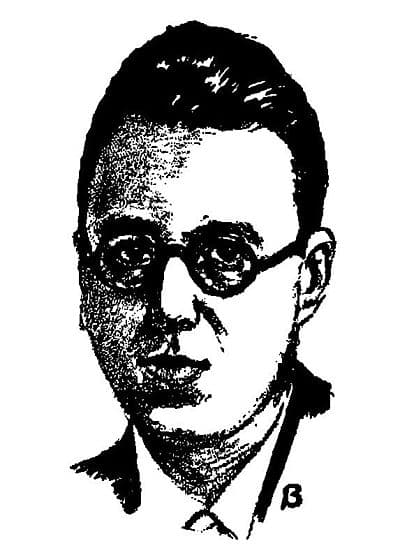
Stanton A. Coblentz
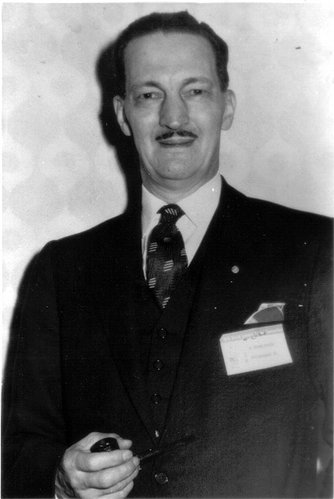
Stanton A. Coblentz was an American author and poet known for his contributions to science fiction and fantasy literature during the early to mid-20th century. Born in 1896, Coblentz's literary career spanned several decades, during which he produced a diverse body of work that included novels, short stories, and poetry. His writing often explored themes of utopia, technology, and the human condition, reflecting the anxieties and aspirations of his time. Notable works include "The Last of the Masters," a thought-provoking narrative about a future society governed by machines, and "The Man Who Found the World," which delves into the complexities of human existence in a rapidly changing world. Coblentz's significance lies not only in his imaginative storytelling but also in his ability to engage with philosophical questions about humanity's relationship with technology and the future. His works contributed to the broader science fiction genre, influencing contemporaries and later writers. Although he may not be as widely recognized today, Coblentz's exploration of speculative ideas and his unique narrative style have earned him a place in the annals of early science fiction literature, marking him as a noteworthy figure in the genre's development.
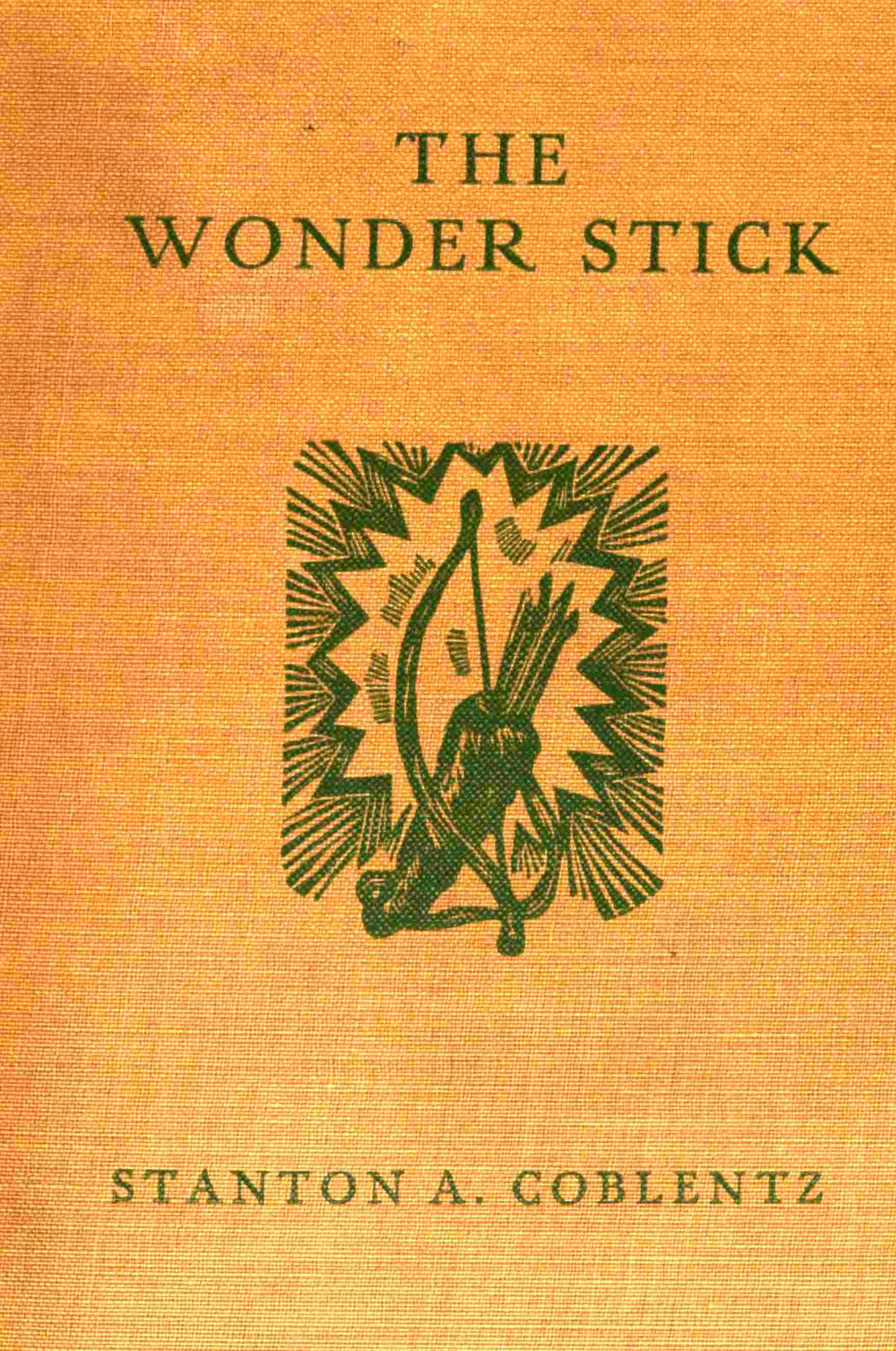
Books from the author













Link to this page
Add a free, dofollow link to Lex on your blog, forum, syllabus, or reading list.

<a href="https://lex-books.com/author/stanton-a-coblentz-2"><img src="https://lex-books.com/badges/read-on-lex.svg" alt="Stanton A. Coblentz on Lex" width="160" height="40"></a>[](https://lex-books.com/author/stanton-a-coblentz-2)[url=https://lex-books.com/author/stanton-a-coblentz-2][img]https://lex-books.com/badges/read-on-lex.svg[/img][/url]Stanton A. Coblentz on Lex: https://lex-books.com/author/stanton-a-coblentz-2