
Robert Bloch
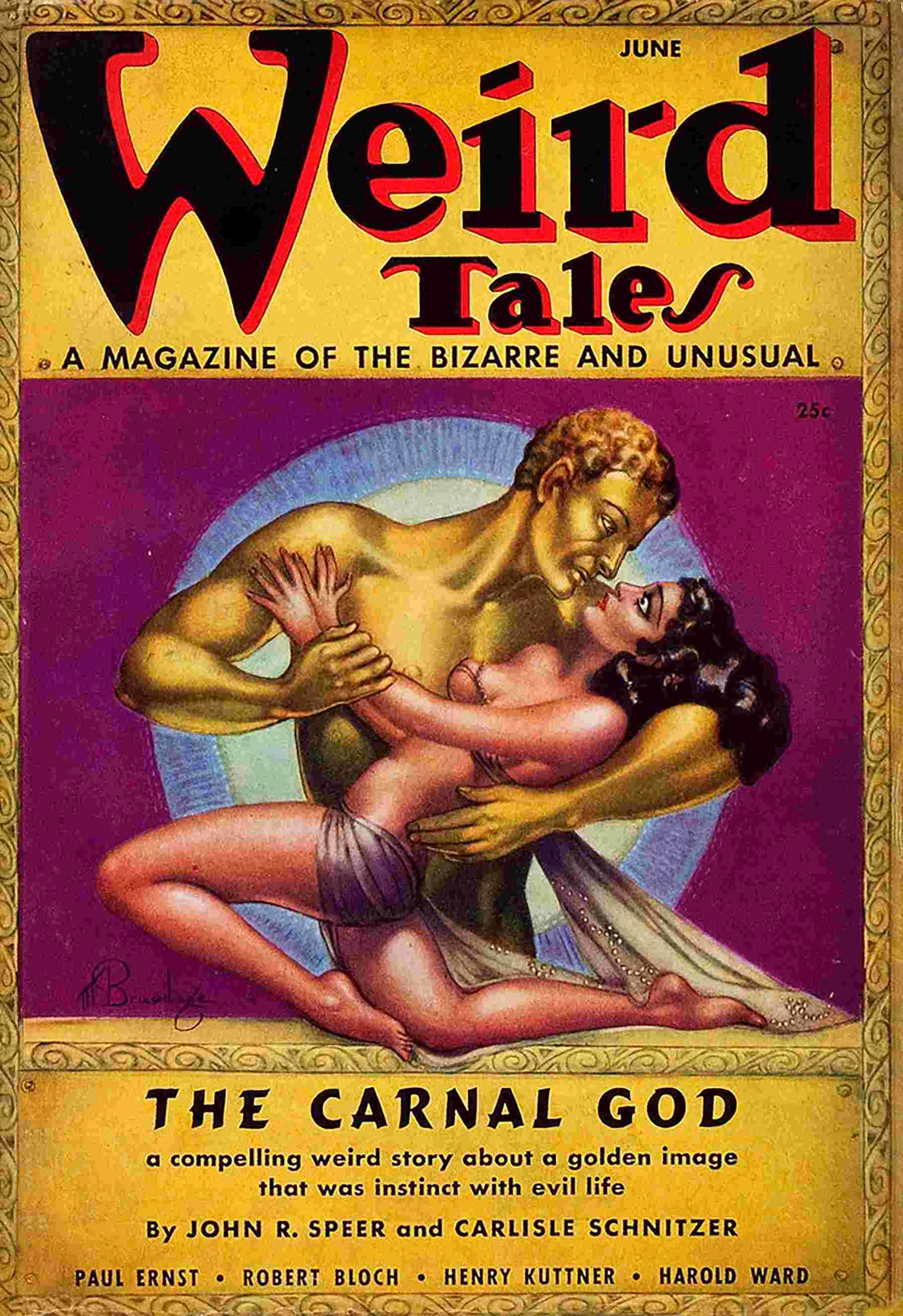
Robert Bloch was an influential American writer known for his contributions to crime fiction, psychological horror, and fantasy. He began his writing career at the young age of 17, quickly establishing himself in the literary world with his early works appearing in pulp magazines like Weird Tales. Bloch gained prominence with his novel Psycho, published in 1959, which became the basis for Alfred Hitchcock's iconic film of the same name. His writing often explored the psychological depths of his characters, moving beyond the cosmic horror of his early mentor, H. P. Lovecraft, to delve into the darker aspects of human nature and crime. Over his prolific career, which spanned six decades, Bloch authored hundreds of short stories and over 30 novels, earning accolades such as the Hugo Award and the Bram Stoker Award. He was also a significant figure in the television and film industry, contributing as a screenwriter and engaging with the science fiction community through fanzines. Bloch's legacy endures not only through his works but also through his impact on the horror genre, influencing countless writers and filmmakers who followed in his footsteps. His essay "The Shambles of Ed Gein" remains a notable piece in the canon of American true crime literature, reflecting his deep understanding of the macabre and the psychological intricacies of fear.
Famous Quotes
View all 3 quotes“Despite my ghoulish reputation, I really have the heart of a small boy. I keep it in a jar on my desk.”
“The man who smiles when things go wrong has thought of someone to blame it on.”
“I think perhaps all of us go a little crazy at times.”
Books from the author



Link to this page
Add a free, dofollow link to Lex on your blog, forum, syllabus, or reading list.

<a href="https://lex-books.com/author/robert-bloch"><img src="https://lex-books.com/badges/read-on-lex.svg" alt="Robert Bloch on Lex" width="160" height="40"></a>[](https://lex-books.com/author/robert-bloch)[url=https://lex-books.com/author/robert-bloch][img]https://lex-books.com/badges/read-on-lex.svg[/img][/url]Robert Bloch on Lex: https://lex-books.com/author/robert-bloch