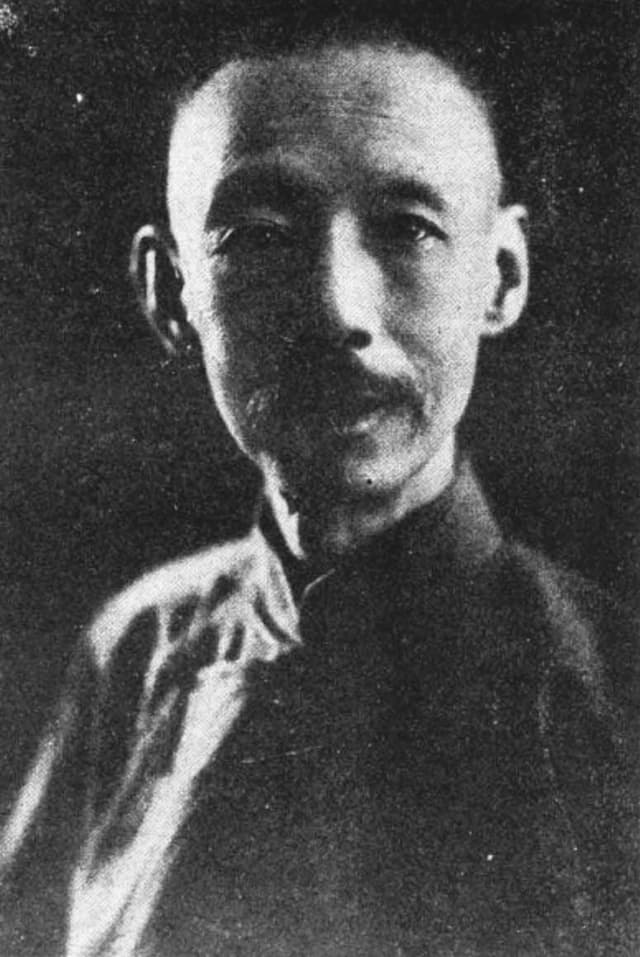
Pu Zeng
Pu Zeng was a Chinese novelist and playwright active during the late Qing Dynasty and early Republic of China. He is best known for his work '孽海花' (Nieh Hai Hua), which is considered a significant contribution to modern Chinese literature. This novel, published in 1905, explores themes of love, betrayal, and the complexities of human relationships against the backdrop of societal changes in China. Through its vivid characters and intricate plot, Pu Zeng's work reflects the tensions between traditional values and the emerging modernity of his time. Pu Zeng's literary significance lies in his ability to capture the emotional depth of his characters while addressing the broader social issues of his era. His narratives often delve into the struggles of individuals caught between personal desires and societal expectations. Although not as widely recognized as some of his contemporaries, Pu Zeng's contributions to the development of modern Chinese fiction have paved the way for future writers, making him an important figure in the evolution of Chinese literature in the early 20th century.
Books from the author


Link to this page
Add a free, dofollow link to Lex on your blog, forum, syllabus, or reading list.

<a href="https://lex-books.com/author/pu-zeng"><img src="https://lex-books.com/badges/read-on-lex.svg" alt="Pu Zeng on Lex" width="160" height="40"></a>[](https://lex-books.com/author/pu-zeng)[url=https://lex-books.com/author/pu-zeng][img]https://lex-books.com/badges/read-on-lex.svg[/img][/url]Pu Zeng on Lex: https://lex-books.com/author/pu-zeng