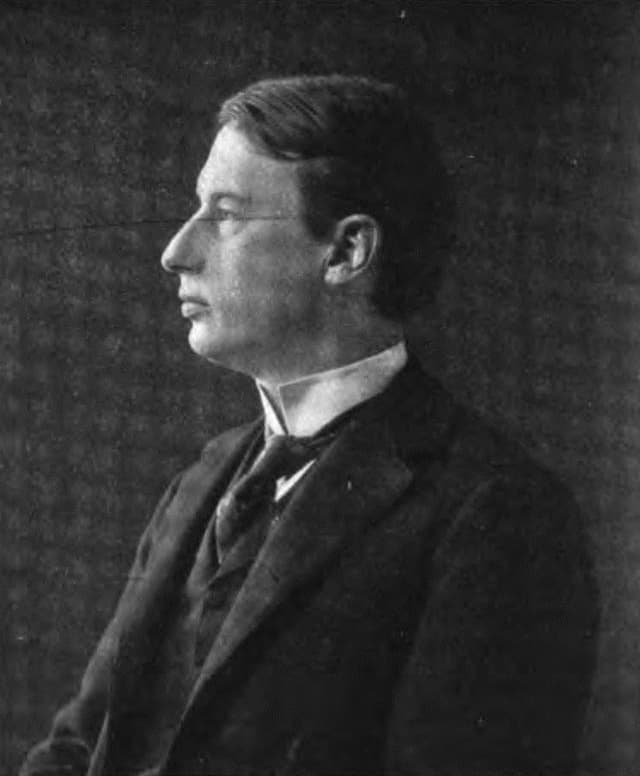
Paul Elmer More
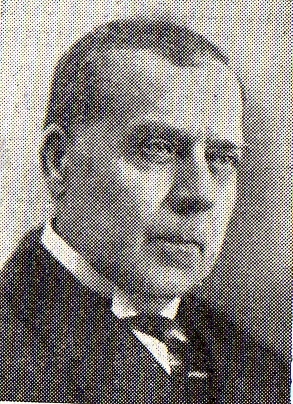
Paul Elmer More was an influential American journalist, critic, essayist, and Christian apologist known for his thoughtful exploration of religion and philosophy. He was a prominent figure in the early 20th century literary scene, contributing to various publications and engaging in the intellectual debates of his time. More's essays often reflected his deep commitment to Christian values and his belief in the importance of moral and spiritual integrity in a rapidly changing world. His works, including 'The Religion of Humanity' and 'The Great Tradition', showcased his ability to blend literary criticism with theological inquiry, making significant contributions to both fields. More was a key member of the New Humanism movement, advocating for a return to classical ideals and emphasizing the relevance of traditional values in contemporary society. His writings not only critiqued modernity but also sought to reconcile faith with reason, positioning him as a bridge between the secular and the sacred. Through his extensive body of work, More left a lasting impact on American thought, influencing subsequent generations of writers and thinkers who grappled with the complexities of faith in the modern world.
Famous Quotes
View all 1 quotes“That a language may retain its vitality and dignity, two things are necessary. In the first place, it must keep in close touch with life, and must respond to those constant alterations which look like corruptions but which are quite as often signs of growth. In the second place, it must submit to some kind of selective authority which creates a generally recognized but slowly changing norm of speech. Without the former condition a language will become rigid, conventional, and emotionless; without the second it will just as surely tend to become provincial and formless--even unintelligible, except locally and ephemerally.”
Books from the author







Link to this page
Add a free, dofollow link to Lex on your blog, forum, syllabus, or reading list.

<a href="https://lex-books.com/author/paul-elmer-more"><img src="https://lex-books.com/badges/read-on-lex.svg" alt="Paul Elmer More on Lex" width="160" height="40"></a>[](https://lex-books.com/author/paul-elmer-more)[url=https://lex-books.com/author/paul-elmer-more][img]https://lex-books.com/badges/read-on-lex.svg[/img][/url]Paul Elmer More on Lex: https://lex-books.com/author/paul-elmer-more