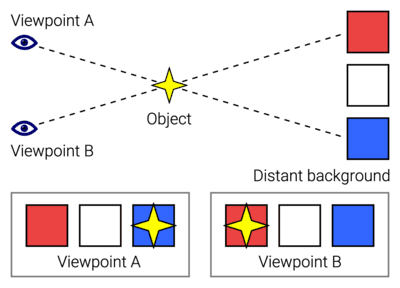
Parallax
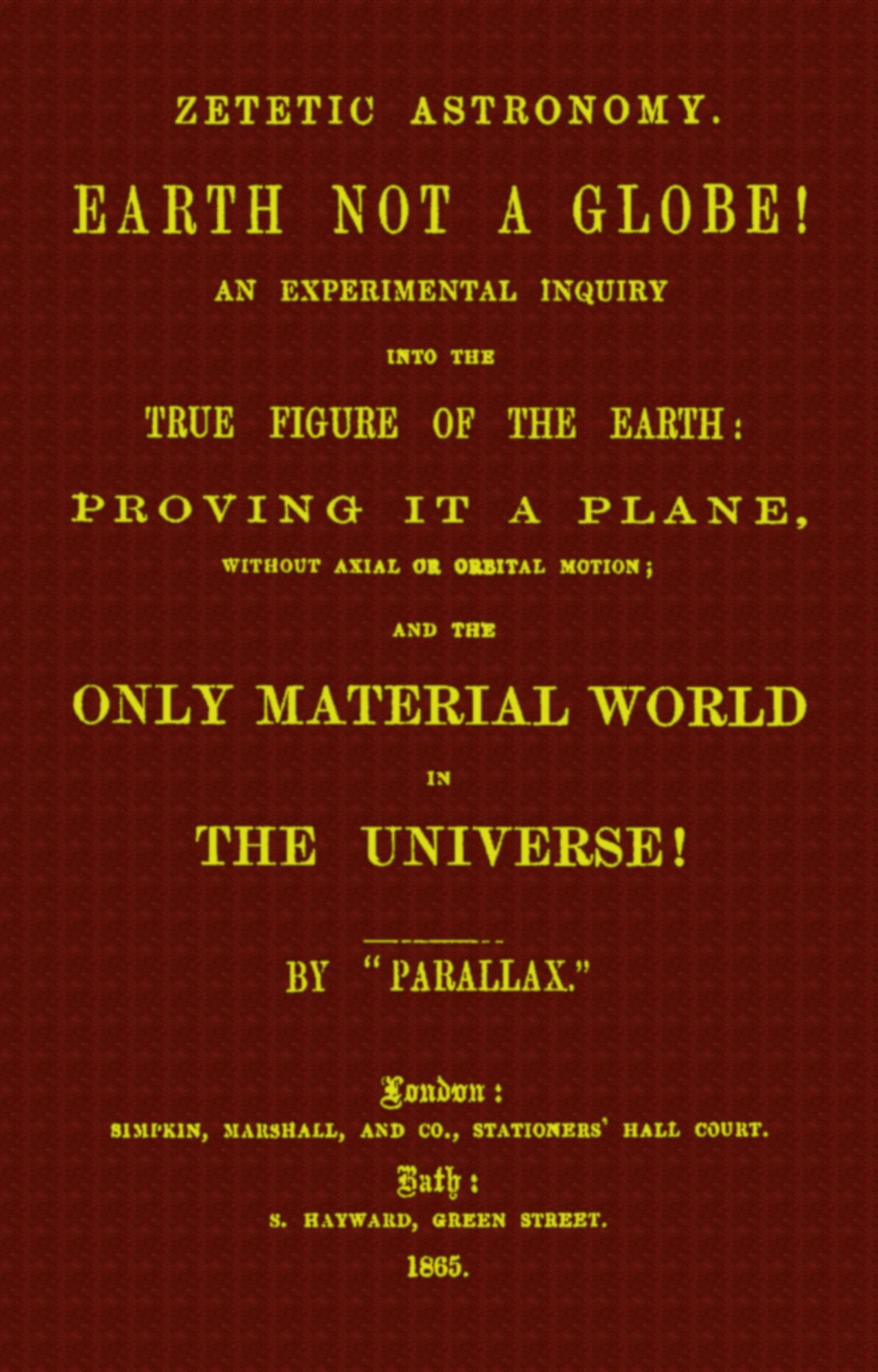
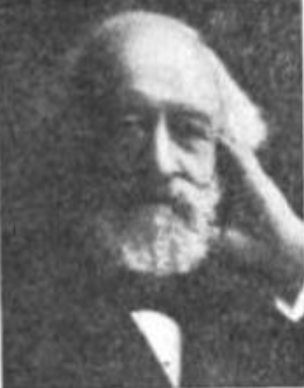
Parallax was a 19th-century writer and proponent of the zetetic philosophy, which sought to challenge established scientific beliefs through empirical inquiry. His most notable work, "Zetetic Astronomy: Earth Not a Globe! An Experimental Inquiry into the True Figure of the Earth Etc.," presented a controversial argument against the prevailing heliocentric model of the universe, advocating instead for a flat Earth perspective. This book not only questioned the scientific consensus of his time but also aimed to encourage readers to adopt a skeptical approach to accepted truths, emphasizing the importance of personal observation and inquiry in understanding the natural world. Despite the scientific community's dismissal of his theories, Parallax's work contributed to the broader discourse on scientific skepticism and the nature of evidence in the 19th century. His writings have since been referenced in discussions about alternative cosmologies and the flat Earth movement, illustrating how fringe ideas can persist and evolve over time. Parallax's legacy lies in his challenge to conventional thought and his encouragement of critical examination of widely accepted beliefs, making him a notable figure in the history of scientific debate.
Books from the author




Link to this page
Add a free, dofollow link to Lex on your blog, forum, syllabus, or reading list.

<a href="https://lex-books.com/author/parallax"><img src="https://lex-books.com/badges/read-on-lex.svg" alt="Parallax on Lex" width="160" height="40"></a>[](https://lex-books.com/author/parallax)[url=https://lex-books.com/author/parallax][img]https://lex-books.com/badges/read-on-lex.svg[/img][/url]Parallax on Lex: https://lex-books.com/author/parallax