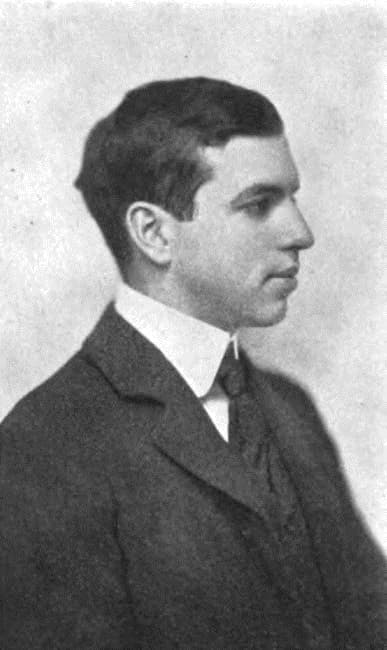
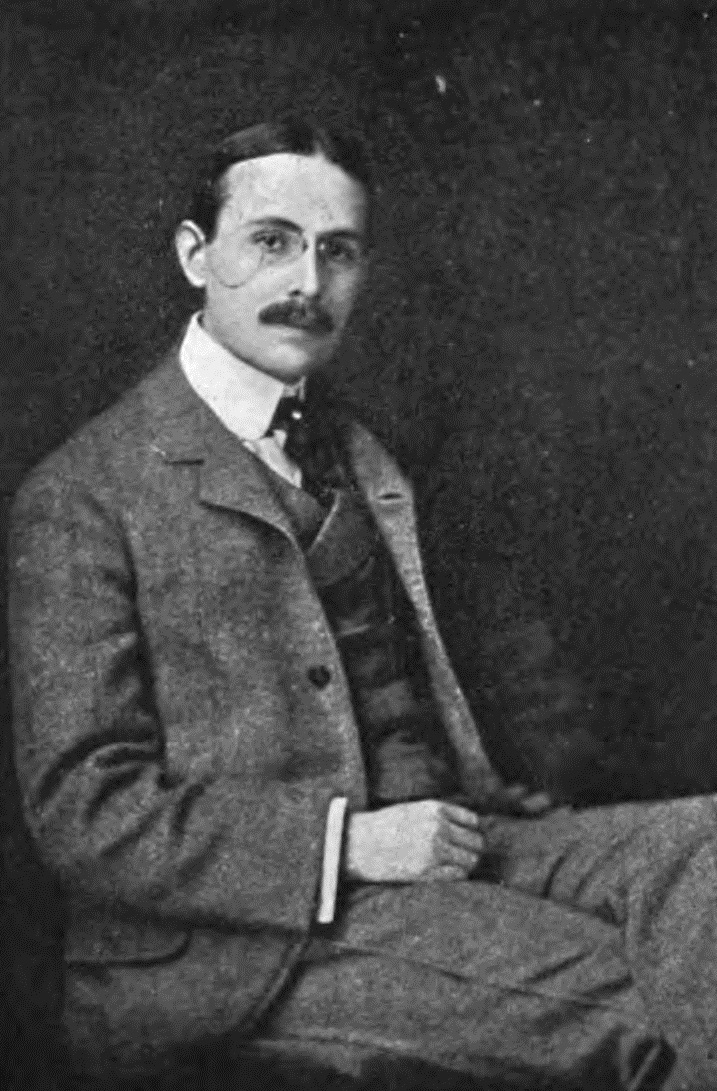
Owen Johnson
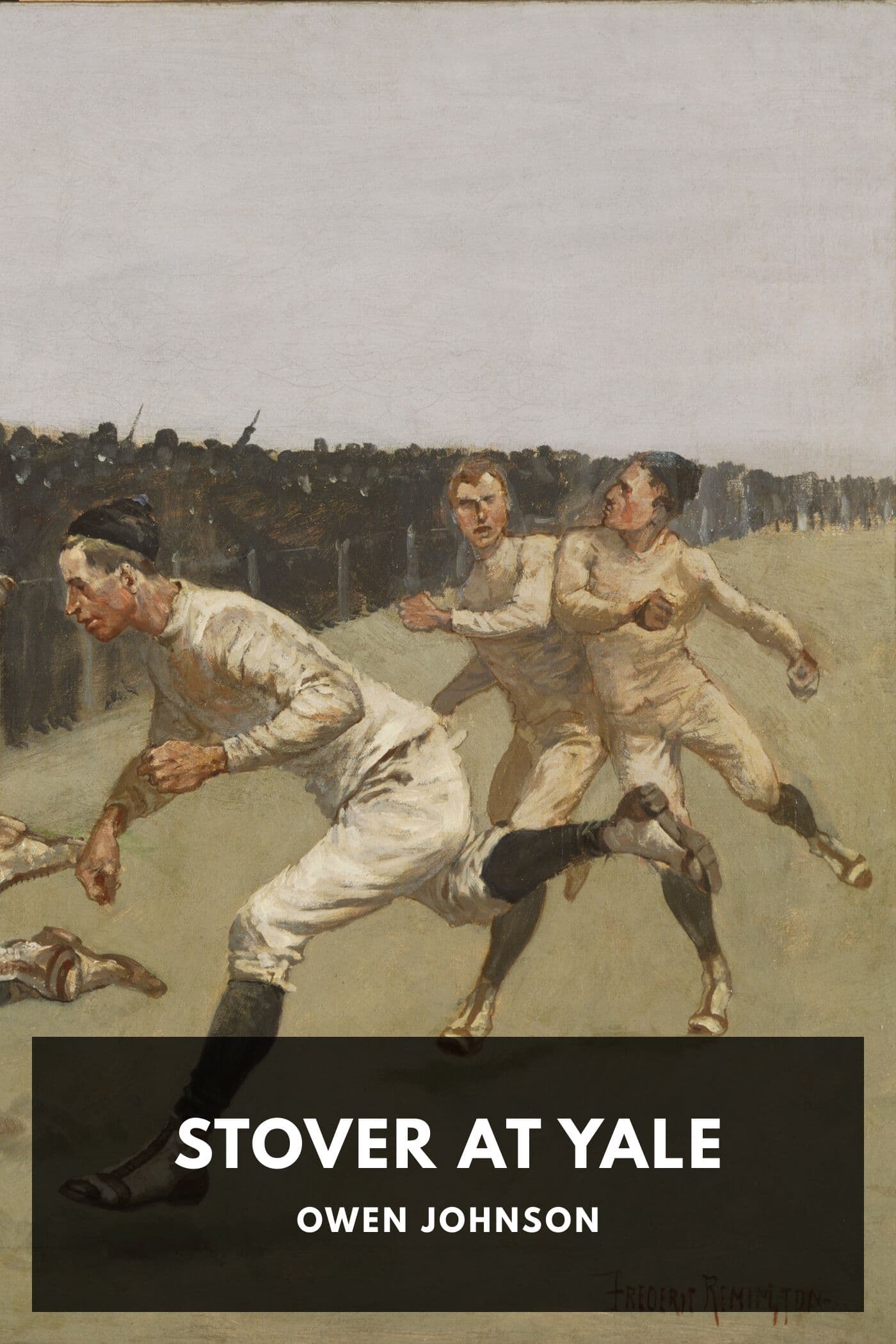
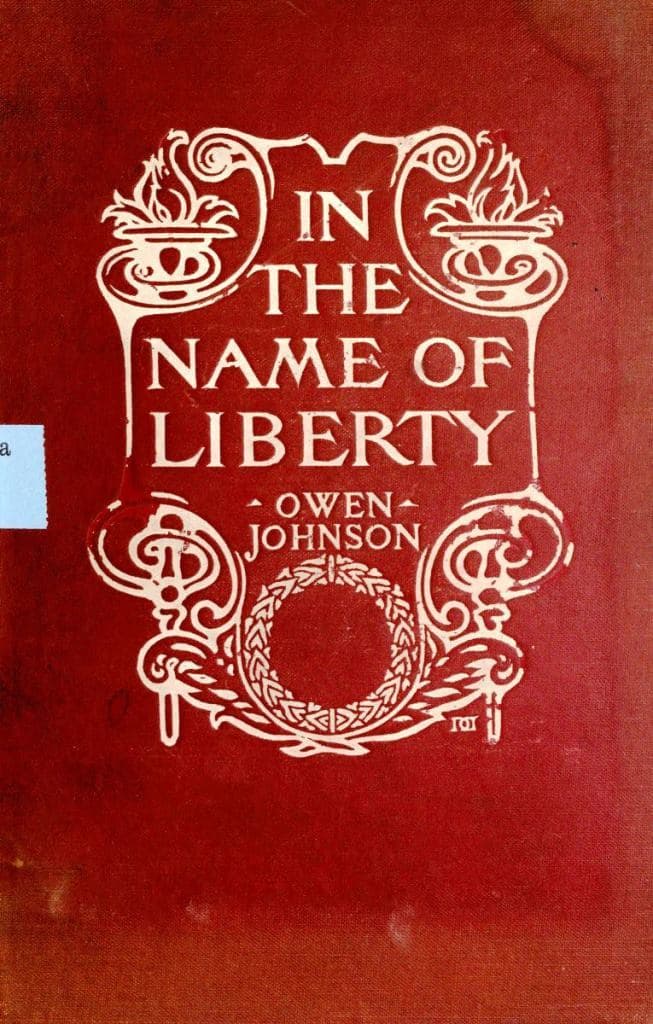
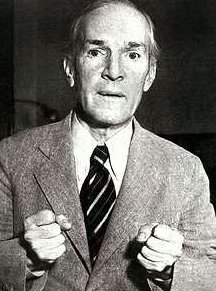
Owen Johnson was an American novelist and playwright known for his insightful portrayals of youth and the complexities of modern life. Born in 1878 in New Jersey, he grew up in a wealthy family, which afforded him a privileged education and exposure to the cultural currents of his time. Johnson attended Harvard University, where he developed his literary talents and began to write seriously. His most notable work, the novel "Stover at Yale," published in 1910, captured the spirit of college life and the struggles of young men navigating their identities amidst societal expectations. This work not only resonated with readers but also established Johnson as a significant voice in American literature, particularly in the genre of campus novels. Throughout his career, Johnson wrote several other novels, including "The Prodigal Son" and "The Young Man of the Period," which further explored themes of ambition, morality, and the challenges of youth. His writing often reflected the changing social landscape of early 20th-century America, and he was adept at blending humor with serious commentary. Johnson's legacy endures through his contributions to American literature, particularly in how he captured the nuances of youth and the transition into adulthood, making him a noteworthy figure in the literary canon of his time.
Famous Quotes
View all 2 quotes“Dink, my boy, I'll be a millionaire in ten years. You know what I'm figuring out all this time? I'm going at this scientifically. I'm figuring out the number of fools there are on the top of this globe, classifying 'em, looking out what they want to be fooled on. I'm making an exact science of it." "Go on," said Dink, amused and perplexed, for he was trying to distinguish the serious and the humorous. "What's the principle of a patent medicine?—advertise first, then concoct your medicine. All the science of Foolology is: first, find something all the fools love and enjoy, tell them it's wrong, hammer it into them, give them a substitute and sit back, chuckle, and shovel away the ducats. Bread's wrong, coffee's wrong, beer's wrong. Why, Dink, in the next twenty years all the fools will be feeding on substitutes for everything they want; no salt—denatured sugar—anti-tea—oiloline—peanut butter—whale's milk—et cetera, et ceteray, and blessing the name of the fool-master who fooled them.”
“What would be the natural thing? A man goes to college. He works as he wants to work, he plays as he wants to play, he exercises for the fun of the game, he makes friends where he wants to make them, he is held in by no fear of criticism above, for the class ahead of him has nothing to do with his standing in his own class. Everything he does has the one vital quality: it is spontaneous. That is the flame of youth itself. Now, what really exists?" "...I say our colleges to-day are business colleges—Yale more so, perhaps, because it is more sensitively American. Let's take up any side of our life here. Begin with athletics. What has become of the natural, spontaneous joy of contest? Instead you have one of the most perfectly organized business systems for achieving a required result—success. Football is driving, slavish work; there isn't one man in twenty who gets any real pleasure out of it. Professional baseball is not more rigorously disciplined and driven than our 'amateur' teams. Add the crew and the track. Play, the fun of the thing itself, doesn't exist; and why? Because we have made a business out of it all, and the college is scoured for material, just as drummers are sent out to bring in business. "Take another case. A man has a knack at the banjo or guitar, or has a good voice. What is the spontaneous thing? To meet with other kindred spirits in informal gatherings in one another's rooms or at the fence, according to the whim of the moment. Instead what happens? You have our university musical clubs, thoroughly professional organizations. If you are material, you must get out and begin to work for them—coach with a professional coach, make the Apollo clubs, and, working on, some day in junior year reach the varsity organization and go out on a professional tour. Again an organization conceived on business lines. "The same is true with the competition for our papers: the struggle for existence outside in a business world is not one whit more intense than the struggle to win out in the News or Lit competition. We are like a beef trust, with every by-product organized, down to the last possibility. You come to Yale—what is said to you? 'Be natural, be spontaneous, revel in a certain freedom, enjoy a leisure you'll never get again, browse around, give your imagination a chance, see every one, rub wits with every one, get to know yourself.' "Is that what's said? No. What are you told, instead? 'Here are twenty great machines that need new bolts and wheels. Get out and work. Work harder than the next man, who is going to try to outwork you. And, in order to succeed, work at only one thing. You don't count—everything for the college.' Regan says the colleges don't represent the nation; I say they don't even represent the individual.”
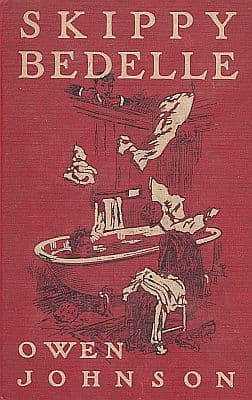
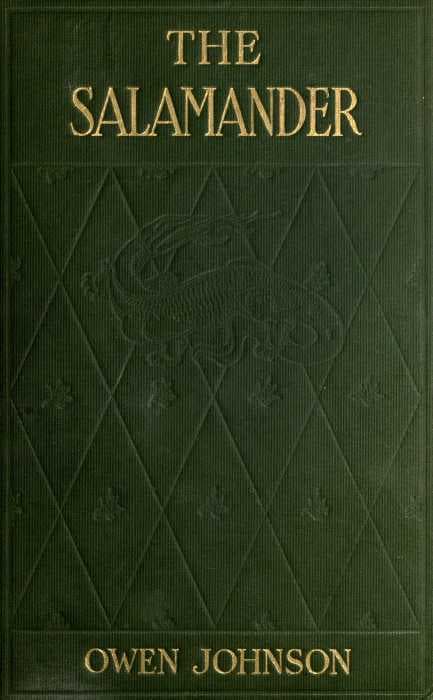
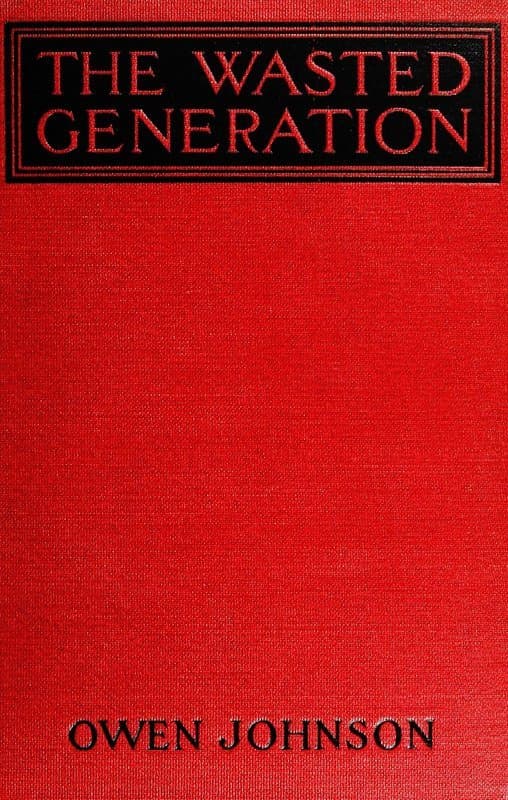
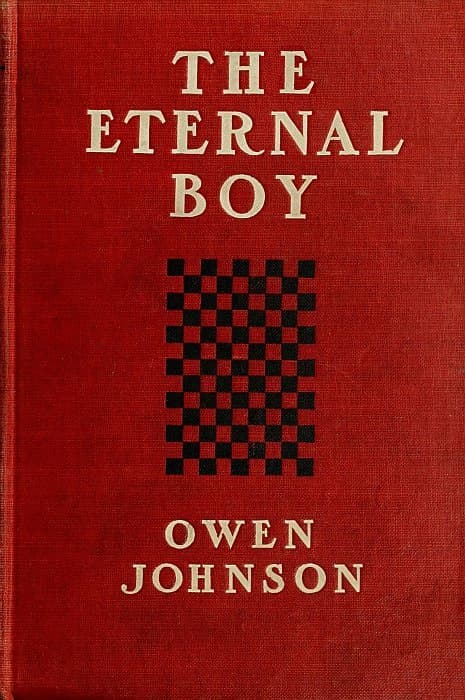
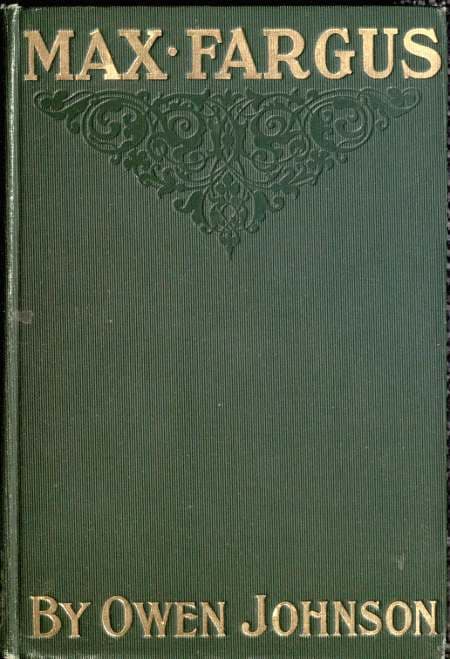
Books from the author



Link to this page
Add a free, dofollow link to Lex on your blog, forum, syllabus, or reading list.

<a href="https://lex-books.com/author/owen-johnson"><img src="https://lex-books.com/badges/read-on-lex.svg" alt="Owen Johnson on Lex" width="160" height="40"></a>[](https://lex-books.com/author/owen-johnson)[url=https://lex-books.com/author/owen-johnson][img]https://lex-books.com/badges/read-on-lex.svg[/img][/url]Owen Johnson on Lex: https://lex-books.com/author/owen-johnson