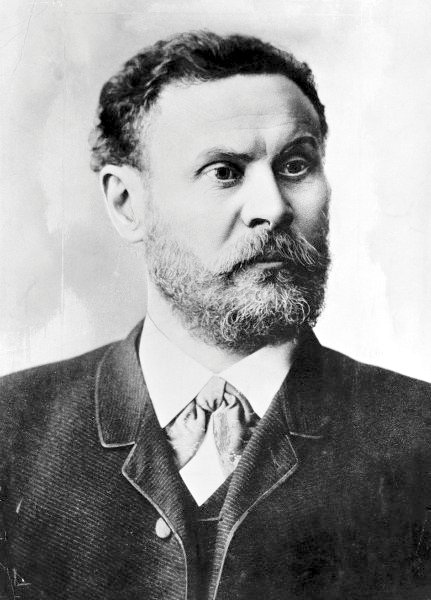
Otto Lilienthal
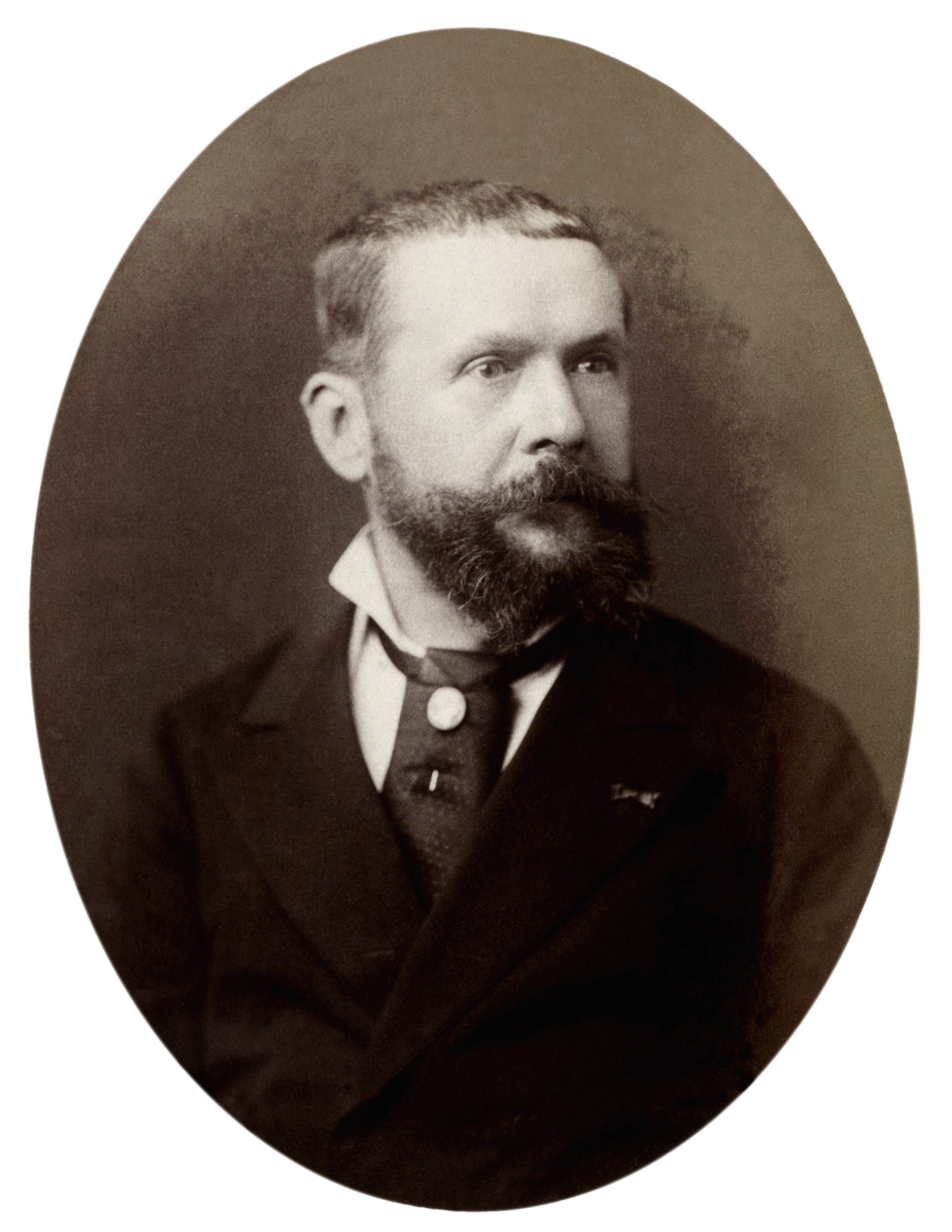
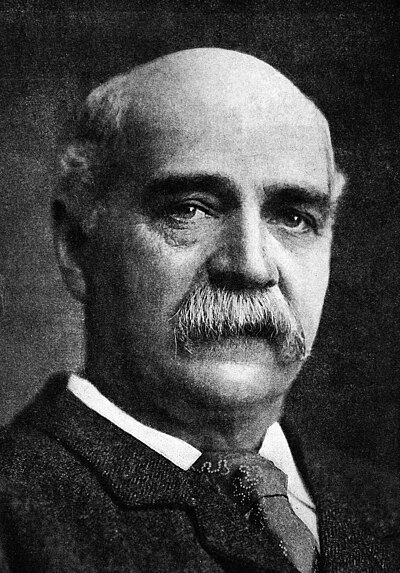
Karl Wilhelm Otto Lilienthal was a pioneering German aviator whose groundbreaking work laid the foundation for modern aviation. Known as the 'flying man,' he was the first individual to conduct well-documented and repeated successful flights with gliders, demonstrating the feasibility of heavier-than-air flight. His experiments began in 1891, marking a significant milestone in the history of human flight. Lilienthal's innovative designs, particularly the 'Lilienthal Normalsegelapparat,' are recognized as the first airplanes to enter series production, establishing the Maschinenfabrik Otto Lilienthal in Berlin as the world's first airplane manufacturing company. Lilienthal's contributions extended beyond mere flight; he developed the concept of the modern wing, influencing future generations of aviators and engineers. His public demonstrations garnered significant media attention, which helped shift public and scientific opinion towards the possibility of practical flying machines. Tragically, his life was cut short in 1896 when a glider accident resulted in his death, but his legacy as the 'father of aviation' endures, inspiring countless inventors and aviation enthusiasts in the quest for flight.
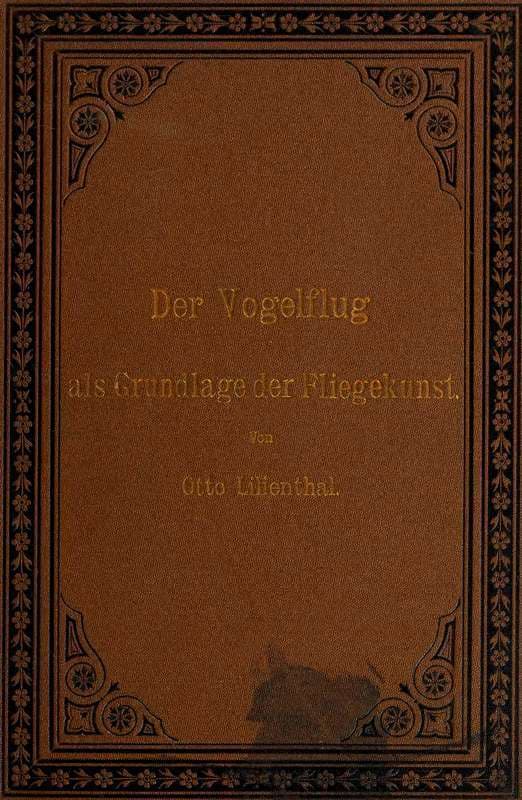
Books from the author



Link to this page
Add a free, dofollow link to Lex on your blog, forum, syllabus, or reading list.

<a href="https://lex-books.com/author/otto-lilienthal"><img src="https://lex-books.com/badges/read-on-lex.svg" alt="Otto Lilienthal on Lex" width="160" height="40"></a>[](https://lex-books.com/author/otto-lilienthal)[url=https://lex-books.com/author/otto-lilienthal][img]https://lex-books.com/badges/read-on-lex.svg[/img][/url]Otto Lilienthal on Lex: https://lex-books.com/author/otto-lilienthal