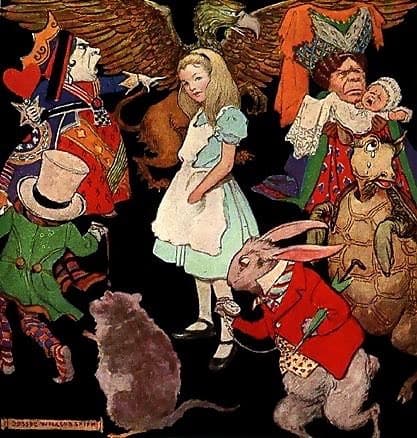
Nora Archibald Smith
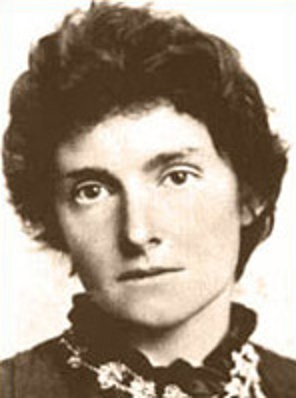
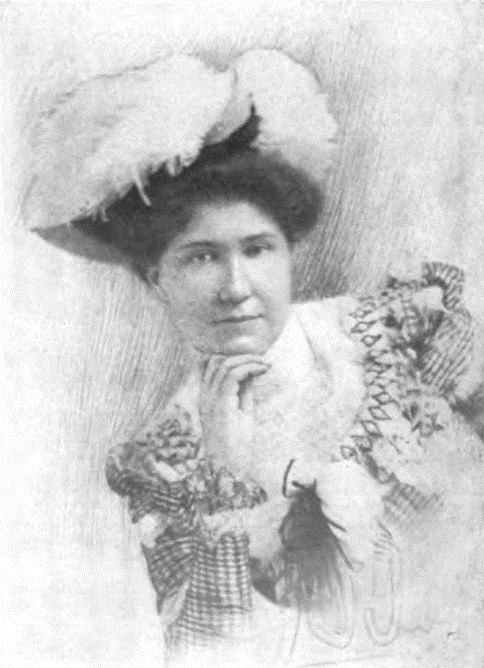
Nora Archibald Smith was an influential American writer known for her contributions to children's literature during the late 19th and early 20th centuries. As the sister of fellow author Kate Douglas Wiggin, Smith collaborated extensively with her on a series of children's books, which helped shape the genre. Their joint efforts included co-authoring and co-editing works that not only entertained young readers but also promoted educational philosophies, particularly those inspired by Friedrich Fröbel, a pioneer in early childhood education. Together, they were key figures in the kindergarten movement, advocating for progressive educational practices that emphasized play and creativity in learning. Smith's literary significance lies in her ability to blend storytelling with educational principles, making her works both engaging and instructive. Her contributions to children's literature were marked by a commitment to fostering a nurturing environment for young minds, and she played a crucial role in the evolution of children's books during a transformative period in American education. Through her writings and advocacy, Nora Archibald Smith left a lasting legacy that continues to influence educators and authors in the field of children's literature.
Famous Quotes
View all 1 quotes“The courtiers all agreed with the Court musician, and the Emperor commanded him to show it to the people on the following Saturday, and let them hear it sing. This he did, and the Chinese people felt so pleased and happy they all nodded their heads and shook their forefingers and said "Ah!" Only the fishermen, who had heard the real bird sing,”
Books from the author





Link to this page
Add a free, dofollow link to Lex on your blog, forum, syllabus, or reading list.

<a href="https://lex-books.com/author/nora-archibald-smith"><img src="https://lex-books.com/badges/read-on-lex.svg" alt="Nora Archibald Smith on Lex" width="160" height="40"></a>[](https://lex-books.com/author/nora-archibald-smith)[url=https://lex-books.com/author/nora-archibald-smith][img]https://lex-books.com/badges/read-on-lex.svg[/img][/url]Nora Archibald Smith on Lex: https://lex-books.com/author/nora-archibald-smith