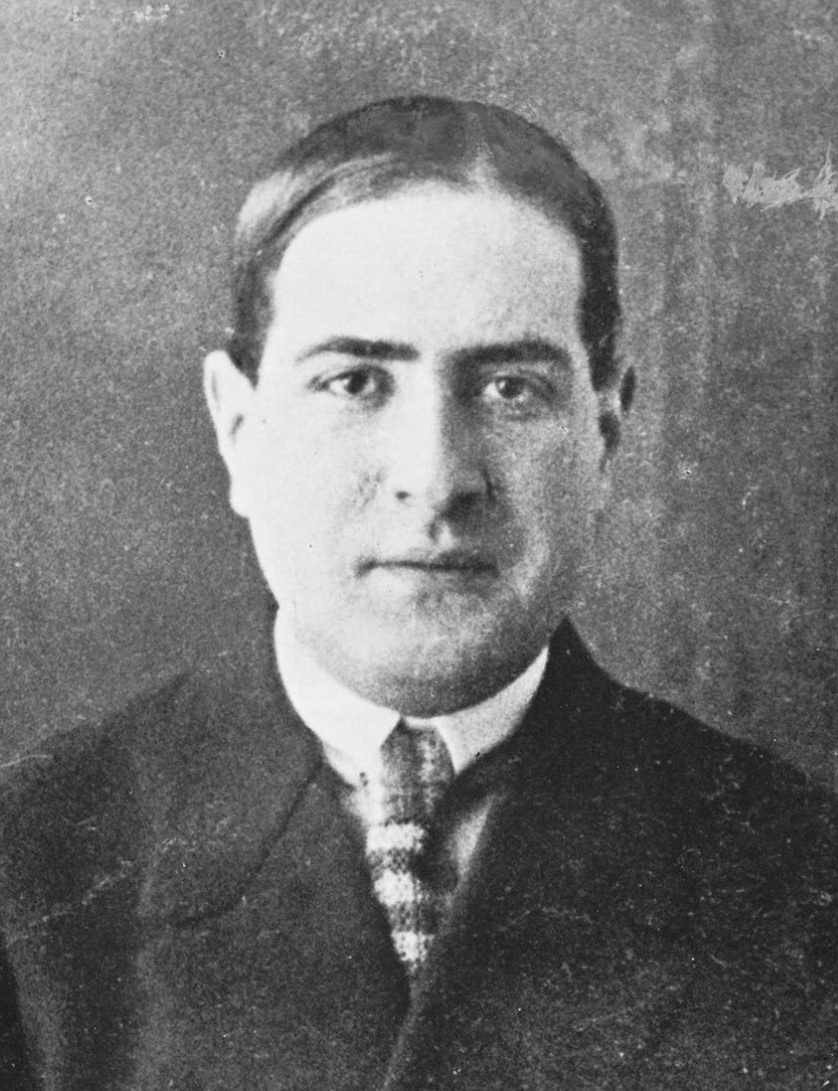
Mário de Sá-Carneiro
Mário de Sá-Carneiro was a pivotal figure in early 20th-century Portuguese literature, known for his avant-garde style and profound exploration of existential themes. Born in Lisbon, he was a contemporary and close associate of the poet Fernando Pessoa, with whom he shared a deep intellectual and artistic bond. Sá-Carneiro's works often reflect a sense of disillusionment and a quest for identity, capturing the complexities of modern life in a rapidly changing world. His most notable works include the novel 'A Confissão de Lúcio' and the collection of short stories 'Dispersão', both of which showcase his innovative narrative techniques and psychological depth. Despite his brief life, ending tragically at the age of 26, Sá-Carneiro's literary contributions have left a lasting impact on Portuguese literature. His writing is characterized by a blend of symbolism and modernism, paving the way for future generations of writers. His exploration of themes such as madness, love, and the search for meaning resonates with the existential inquiries that would later define much of 20th-century literature. Today, Sá-Carneiro is celebrated not only for his unique voice but also for his role in the literary movements that shaped modernist thought in Portugal.
Famous Quotes
View all 20 quotes“I am neither I nor the other oneI am something in between””
“Estou num daqueles dias em que nunca tive futuro.””
“-Ouve esta música? É a expressão da minha vida: uma partitura admirável, estragada por um horrível, por um infame executante...””
Books from the author


Link to this page
Add a free, dofollow link to Lex on your blog, forum, syllabus, or reading list.

<a href="https://lex-books.com/author/mário-de-sá-carneiro"><img src="https://lex-books.com/badges/read-on-lex.svg" alt="Mário de Sá-Carneiro on Lex" width="160" height="40"></a>[](https://lex-books.com/author/mário-de-sá-carneiro)[url=https://lex-books.com/author/mário-de-sá-carneiro][img]https://lex-books.com/badges/read-on-lex.svg[/img][/url]Mário de Sá-Carneiro on Lex: https://lex-books.com/author/mário-de-sá-carneiro