Mazo De la Roche
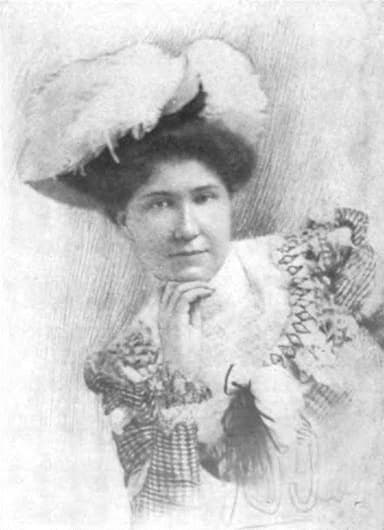
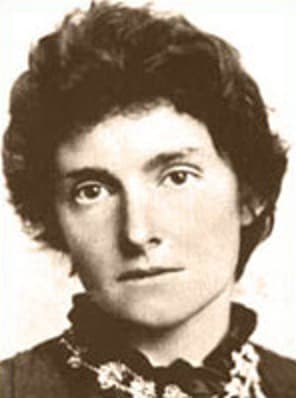
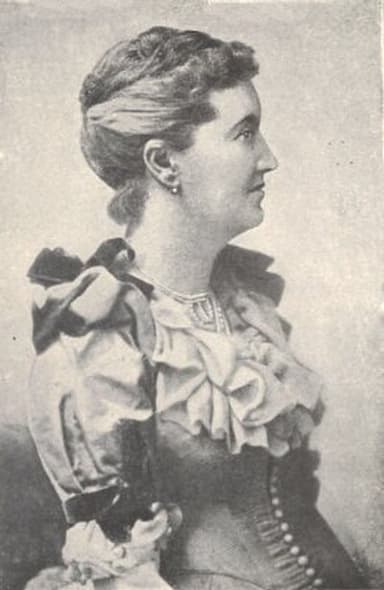
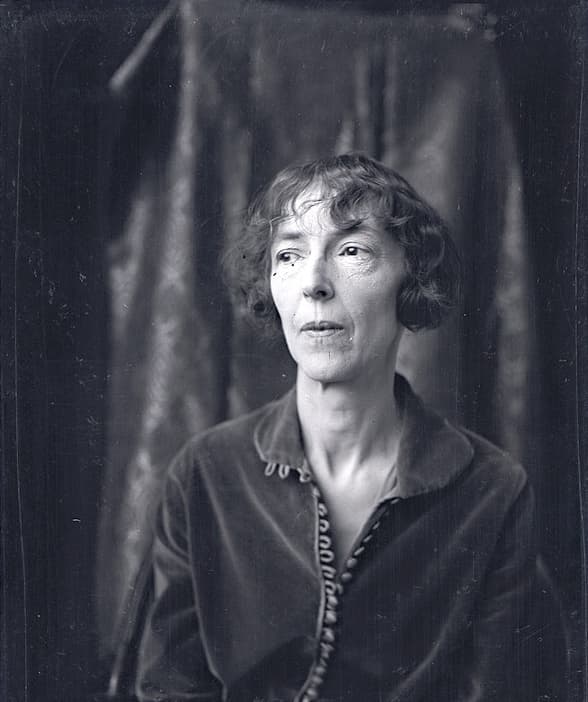
Mazo de la Roche was a prominent Canadian author best known for her series of novels centered around the Whiteoaks family, collectively referred to as the Jalna novels. Born Maisie Louise Roche, she adopted her pen name and published her first novel, 'Jalna,' in 1927, which quickly garnered critical acclaim and commercial success. The series, which expanded to sixteen volumes, vividly depicted the lives, loves, and struggles of the Whiteoaks over several generations, set against the backdrop of the Canadian landscape. De la Roche's writing is characterized by its rich character development and exploration of family dynamics, making her a significant figure in Canadian literature. Throughout her career, de la Roche received numerous accolades, including the Governor General's Award for Fiction in 1957 for her novel 'The Building of Jalna.' Her work not only entertained but also provided insights into the complexities of familial relationships and the social mores of her time. Mazo de la Roche's legacy endures as a pioneering female voice in Canadian literature, and her Jalna series remains a beloved part of the literary canon, reflecting the cultural and historical context of early 20th-century Canada.
Famous Quotes
View all 3 quotes“I have known many breeds, — Irish Terriers, Airedales, Blue Bedlingtons, Collies, Spaniels, Yorkshires, English Bulldogs, — but it seems to me that the Scottish terrier has the most generous charm of all. Nature was liberal to him in giving him the heart of a big dog in a body so compact and small that he might be the perfect companion indoors and out.”
“The fullness of life had overflowed in you that day, Food mattered nothing, nor home, nor love of Us, only the chase, the penetrating of burrows, the return to the life for which your sires had been bred. But at sunset you came home, weary little dogs, ready to be stroked, to be held on comfortable laps, to submit to the pulling out of burrs.”
“That tail! Was there ever such another? A man, they say, may wear his heart on his sleeve, certainly you wore yours on your tail. Other dogs I have known wagged their tails in pleasure or drew them close in fear or apology. Yours never drooped. You waved it like a banner and it was seldom that it was absolutely still. - A breeder told me that its carriage was too “gay” for showing, that your muzzle was not heavy enough, that your eyes were too large. He agreed, and well he might, that they were the most beautiful eyes he had ever seen in a dog’s head and that you had a “grand little body.” Out walking, the waving of that tail gave our progress the air of a procession. It was a hardened hater of dogs who had not a smile for you. You had none of the dourness and reserve attributed to your breed. From morning to night you craved friendliness, and you were almost as greedy for it as you were for food. Lying stretched asleep on the floor, you would seem suddenly to be conscious of something. Life stirring about you, perhaps—and you approved of life with your whole soul. Your tail would thud against the floor in ecstasy,”