Mary Ronald
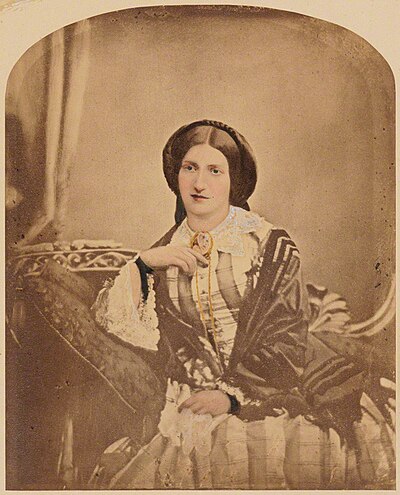
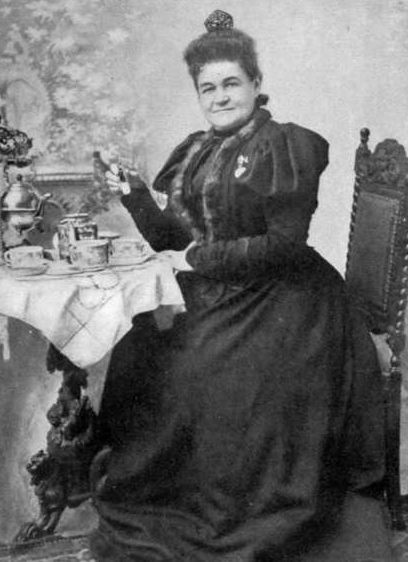
Mary Ronald was an American socialite and amateur singer, renowned for her influential role in the musical salons of late 19th-century London. Born Mary Frances Ronalds Carter, she moved from New York to Paris in 1864 with her husband and children, but their separation in 1868 led her to Tunis and eventually to London in 1875. In London, Ronald became a prominent figure in royal social circles, admired not only for her beauty but also for her musical talent. Her salons served as a gathering place for artists and musicians, fostering a vibrant cultural environment. Her most notable relationship was with the composer Arthur Sullivan, with whom she had a long affair that lasted until his death in 1900. Ronald was not only his companion but also contributed to the musical landscape of the time, being associated with one of his most beloved songs, 'The Lost Chord.' Through her connections and artistic endeavors, Mary Ronald left a lasting impact on the cultural fabric of her era, embodying the spirit of the Victorian social scene while navigating the complexities of personal relationships and artistic expression.
Famous Quotes
View all 7 quotes“Amsterdam, vanmorgen vroeg.Het duurde lang voor een stoplicht op groen sprong. In mijn achteruitkijkspiegelzag ik Samarinde zitten achter het stuur van haar stokoude BMW. Ze zwaaide naar me. Onze karavaan was op weg naar Schiphol en hier stonden we aan het einde van de nacht in een verlaten landschap te wachten tot we verder mochten trekken. Zonder dat daar aanleiding voor was trapte ik mijn rempedaal in, terwijl ik in mijn spiegel bleef kijken. In de rode gloed werd Samarinde nog mooier. Ik liet het pedaal los en de gloed verdween. Weer trapte ik de rem in. Een warme glans op Samarindes witte tanden. Haar glimlach vaag als het schilderij Extase van Mathijs Maris. Er is een Japanse uitdrukking die mukushoh heet, lachen met de ogen (heeft Samarinde me verteld). Samarinde mukushohde naar mij.Naast Samarinde zat Meija, die zich even vooroverboog om iets uit het dashboard te pakken. Ook zij kwam in mijn fantasmagorische gloed te zitten. Meija lachte naar me, niet met haar modellenlach, maar puur en oprecht. Ik dacht: in remlicht is ieder meisje mooi. En daarna dacht ik, van mijn hand een vuist makend: wat een geweldige openingszin voor een roman die ik waarschijnlijk nooit zal schrijven.””
“Thus, the invitation remains, despite its hazards: like Jesus, like Mary, and like everyone else who’s ever walked this planet, every adult woman or man will find herself or himself, this side of eternity, inside families, communities, churches, friendships, and work circles that are filled with tensions of every kind. The natural temptation, always, is to simply give back in kind, jealousy for jealousy, gossip for gossip, anger for anger. But the invitation that comes to us from the Gospels, the invitation to move from being a good person to becoming a great person, is the invitation to step forward and help carry and purify this tension, to help take it away by transforming it inside ourselves, by pondering as Mary pondered.””
“everything works out for the best and that every reverse in life carries the seeds of something better in the future.””
Books from the author


Link to this page
Add a free, dofollow link to Lex on your blog, forum, syllabus, or reading list.

<a href="https://lex-books.com/author/mary-ronald"><img src="https://lex-books.com/badges/read-on-lex.svg" alt="Mary Ronald on Lex" width="160" height="40"></a>[](https://lex-books.com/author/mary-ronald)[url=https://lex-books.com/author/mary-ronald][img]https://lex-books.com/badges/read-on-lex.svg[/img][/url]Mary Ronald on Lex: https://lex-books.com/author/mary-ronald