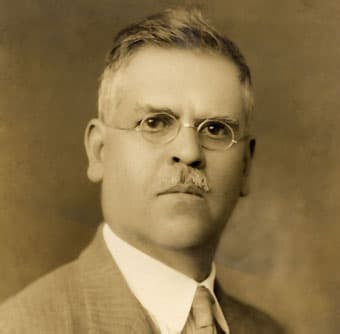
Mariano Azuela
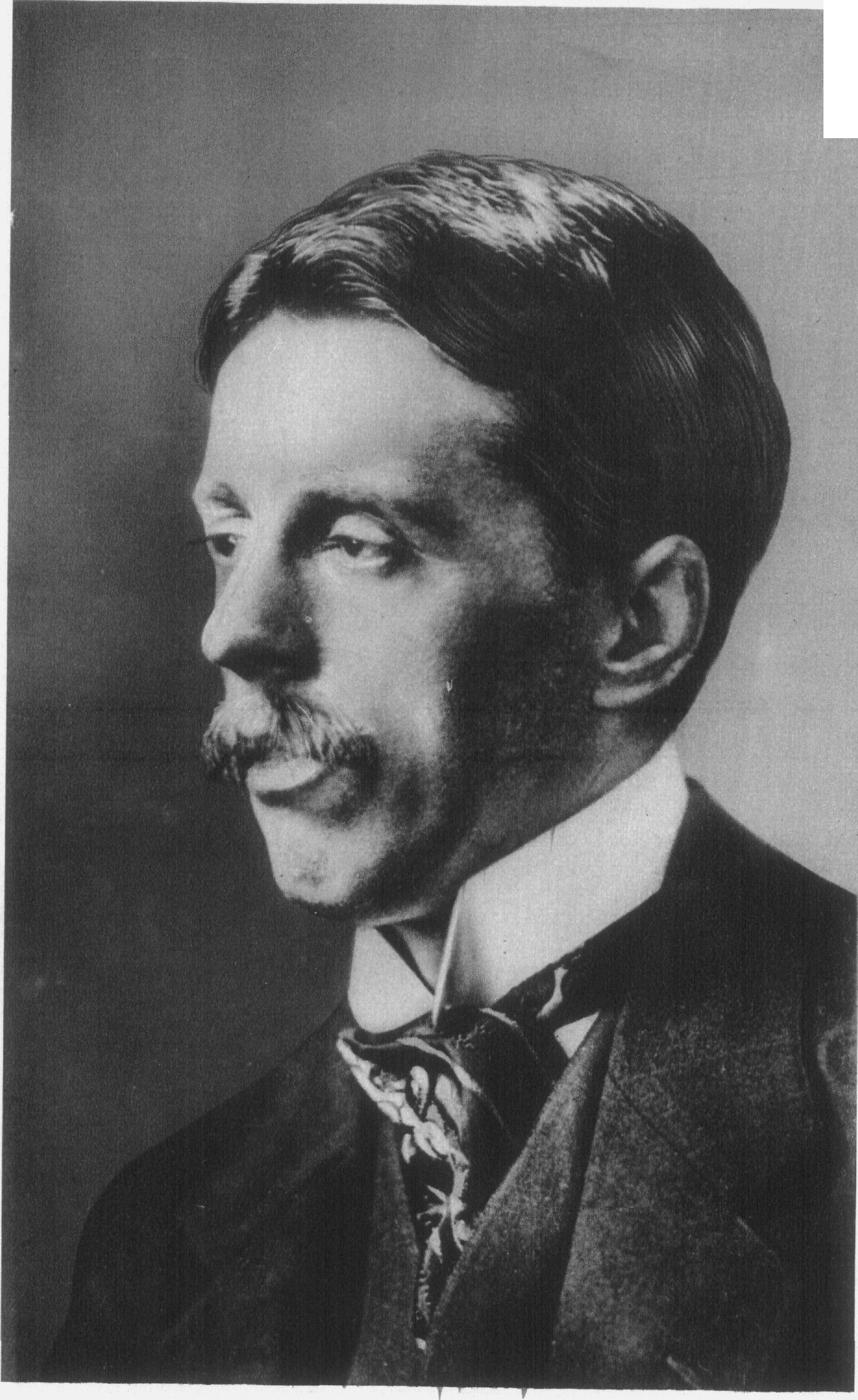
Mariano Azuela was a pivotal Mexican writer and medical doctor, renowned for his profound contributions to literature during and after the Mexican Revolution of 1910. His literary career began with early short pieces published under the pen name 'Beleño' in the magazine Gil Blas Cómico, but it was his novels that would cement his legacy as the first of the 'novelists of the Revolution.' Azuela's early works, such as Maria Luisa and Los fracasados, explored themes of fate and the social life of Mexicans under the Díaz dictatorship. However, his experiences during the Revolution profoundly transformed his writing style, infusing it with a sense of sarcasm and disillusionment that reflected the tumultuous times he lived in. Azuela's most significant work, Los de abajo (The Underdogs), published in 1915, is a powerful narrative that captures the struggles of the lower classes during the Revolution. His subsequent novels, including Sin Amor and El camarada Pantoja, continued to address the complexities of post-revolutionary Mexican society, often employing satire to critique political demagoguery and social injustices. Through his vivid storytelling and incisive social commentary, Azuela not only influenced a generation of Mexican novelists focused on social protest but also established a literary canon that examined the human condition amidst political upheaval. His legacy endures as a foundational figure in Mexican literature, whose works remain essential for understanding the cultural and historical landscape of his time.
Famous Quotes
View all 3 quotes“La revolución beneficia al pobre, al ignorante, al que toda su vida ha sido esclavo, a los infelices que ni siquiera saben que si lo son es porque el rico convierte en oro las lágrimas, el sudor y la sangre de los pobres. || The revolution benefits the poor, the ignorant, who all his life has been a slave, the unfortunate who do not know if they are is because the rich becomes the tears, sweat and blood of the poor in gold.”
“La revolución es el huracán, y el hombre que se entrega a ella no es ya el hombre, es la miserable hoja seca arrebatada por el vendaval…”
“¿Será justo abandonar a la patria en estos momentos solemnes en que va a necesitar de toda la abnegación de sus hijos los humildes para que la salven, para que no la dejen caer de nuevo en manos de sus eternos detentadores y verdugos, los caciques?”
Books from the author

Link to this page
Add a free, dofollow link to Lex on your blog, forum, syllabus, or reading list.

<a href="https://lex-books.com/author/mariano-azuela"><img src="https://lex-books.com/badges/read-on-lex.svg" alt="Mariano Azuela on Lex" width="160" height="40"></a>[](https://lex-books.com/author/mariano-azuela)[url=https://lex-books.com/author/mariano-azuela][img]https://lex-books.com/badges/read-on-lex.svg[/img][/url]Mariano Azuela on Lex: https://lex-books.com/author/mariano-azuela