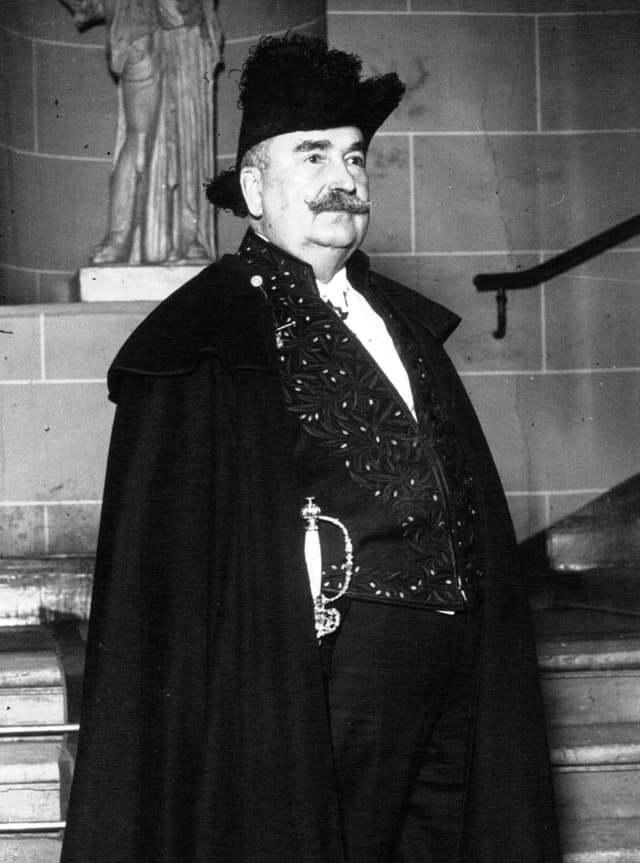
Louis Bertrand
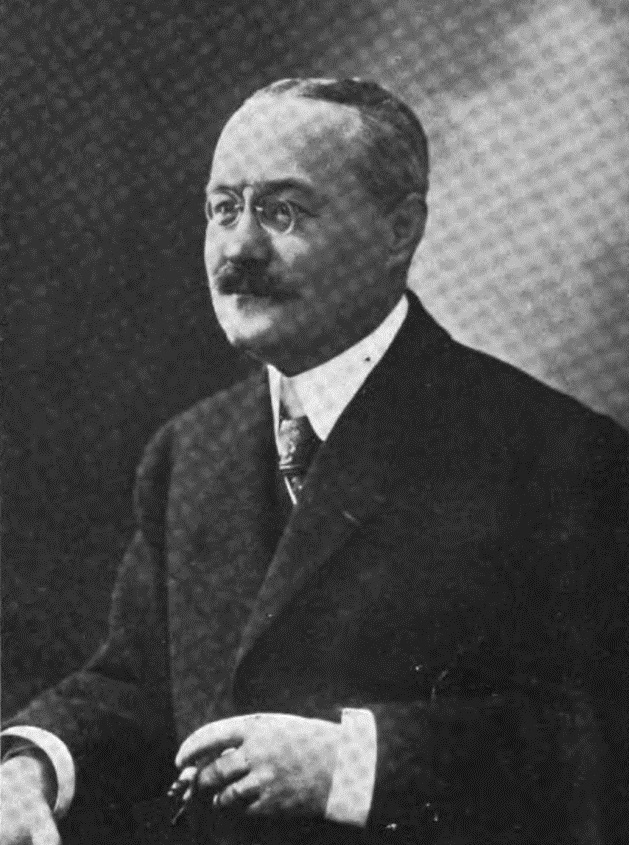
Louis Bertrand was a French novelist and essayist known for his vivid portrayals of life in Algeria and his exploration of themes related to identity and colonialism. Born in 1866 in the city of Alès, Bertrand spent much of his early life in Algeria, which profoundly influenced his literary work. His experiences in North Africa inspired his most notable novel, "Le Sang des autres," published in 1925, which delves into the complexities of colonial relationships and the struggles faced by the indigenous population. Bertrand's writing is characterized by its rich descriptions and psychological depth, reflecting both the beauty and the harsh realities of life in the region. In addition to his novels, Bertrand was a prominent literary critic and contributed significantly to the discourse on French literature and culture during the early 20th century. His works often grappled with the moral ambiguities of colonialism, making him an important figure in the literary examination of France's imperial past. Bertrand's legacy lies in his ability to convey the nuances of colonial life and his critique of the socio-political structures of his time, marking him as a significant voice in French literature.
Famous Quotes
View all 3 quotes“No! God, flash blazing in the symbolic triangle, is not the number traced in the lips of human wisdom.””
“Macron, Hollande, Valls, El Khomri, Hirsch, Sarkozy, Bertrand, Chirac. The history of your suffering bears these names. Your life story is the history of one person after another beating you down. The history of your body is the history of these names, one after another, destroying you. The history of your body stands as an accusation against political history””
“W rzeczy samej, na obecnym etapie naszej wiedzy na ten temat, sny mogą być jedynie oparami naszej wyobraźni. Jak powiedział Bertrand Russell: "nie wierzę, że teraz śnię, ale nie mogę dowieść, że tak nie jest". Morał z tego taki, że w naszych nocnych podróżach jest więcej sensu, niżby się nam mogło wydawać.””
Books from the author






Link to this page
Add a free, dofollow link to Lex on your blog, forum, syllabus, or reading list.

<a href="https://lex-books.com/author/louis-bertrand"><img src="https://lex-books.com/badges/read-on-lex.svg" alt="Louis Bertrand on Lex" width="160" height="40"></a>[](https://lex-books.com/author/louis-bertrand)[url=https://lex-books.com/author/louis-bertrand][img]https://lex-books.com/badges/read-on-lex.svg[/img][/url]Louis Bertrand on Lex: https://lex-books.com/author/louis-bertrand