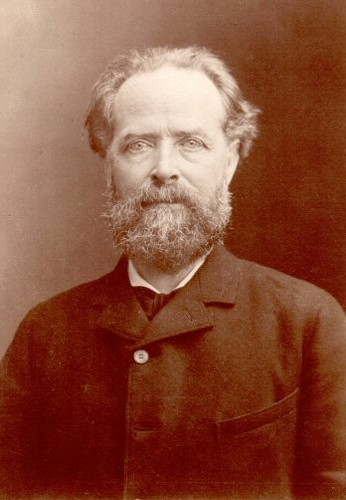
Élisée Reclus
Élisée Reclus was a prominent French geographer, writer, and anarchist known for his extensive contributions to geography and social thought. His most significant work, the 19-volume 'La Nouvelle Géographie universelle, la terre et les hommes,' published between 1875 and 1894, offered a comprehensive exploration of the relationship between humans and their environment. This monumental effort not only showcased his deep understanding of geography but also reflected his belief in the interconnectedness of nature and society. Despite facing political exile due to his anarchist views, Reclus's work earned him recognition, culminating in the Gold Medal from the Paris Geographical Society in 1892. Reclus's writings went beyond mere geographical description; they were infused with a strong sense of social justice and ecological awareness. He advocated for a world where human beings lived in harmony with nature, challenging the prevailing capitalist ideologies of his time. His ideas influenced a range of fields, including geography, sociology, and environmentalism, making him a pivotal figure in the development of modern geographical thought. Reclus's legacy endures not only through his scholarly contributions but also through his vision of a more equitable and sustainable world.
Books from the author

Link to this page
Add a free, dofollow link to Lex on your blog, forum, syllabus, or reading list.

<a href="https://lex-books.com/author/lise-reclus"><img src="https://lex-books.com/badges/read-on-lex.svg" alt="Élisée Reclus on Lex" width="160" height="40"></a>[](https://lex-books.com/author/lise-reclus)[url=https://lex-books.com/author/lise-reclus][img]https://lex-books.com/badges/read-on-lex.svg[/img][/url]Élisée Reclus on Lex: https://lex-books.com/author/lise-reclus