
Knud Rasmussen
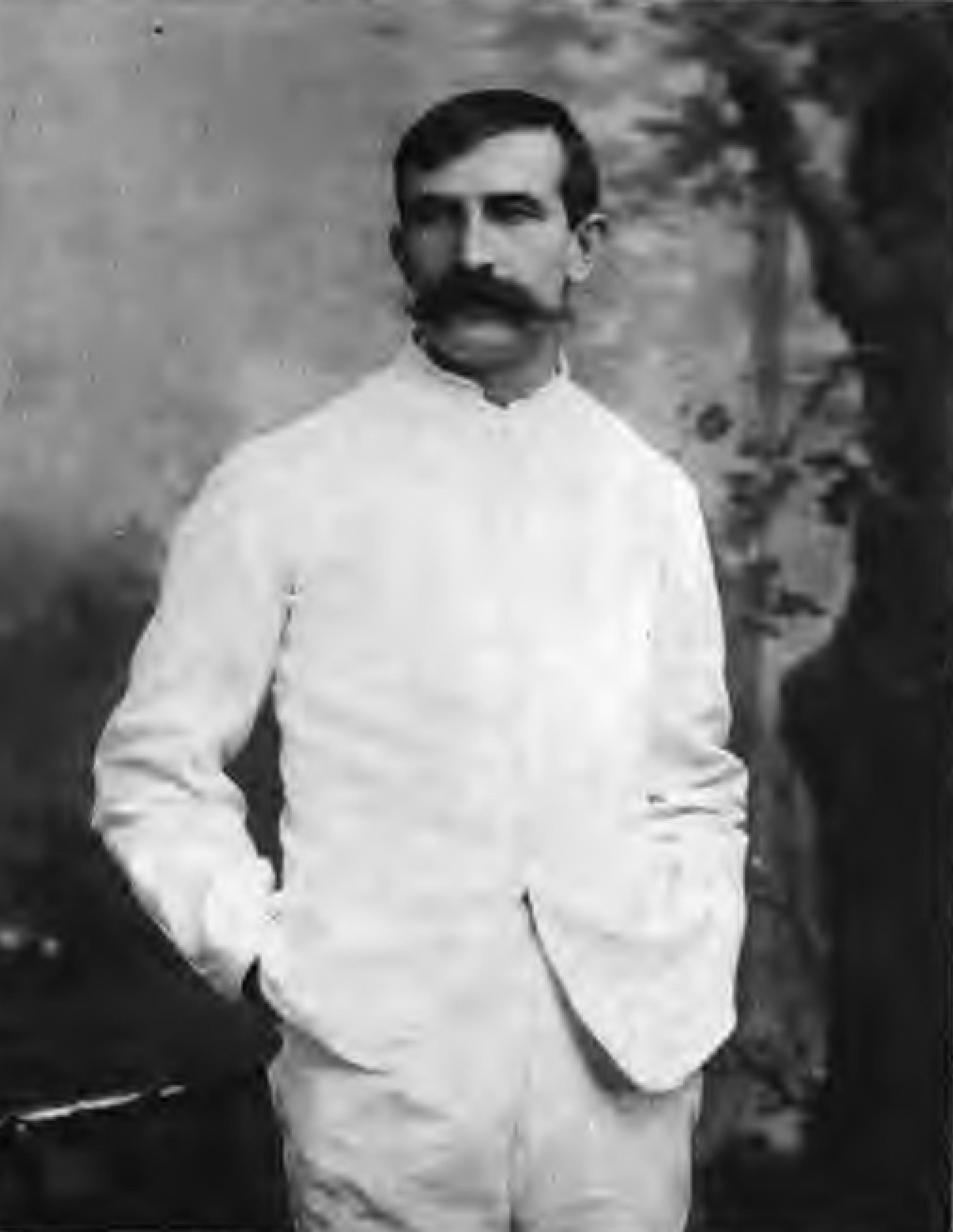
Knud Rasmussen was a pioneering Greenlandic-Danish polar explorer and anthropologist, renowned for his significant contributions to the study of Arctic cultures. Often referred to as the 'father of Eskimology,' he dedicated much of his life to understanding the Inuit people and their way of life. His most notable achievement came in 1924 when he became the first European to traverse the Northwest Passage using a dog sled, a feat that underscored his deep commitment to exploring and documenting the Arctic regions. Rasmussen's work extended beyond exploration; he conducted extensive ethnographic research, collecting stories, artifacts, and knowledge from Inuit communities. His writings, including 'The People of the Polar North' and 'Across Arctic America,' not only provided valuable insights into Inuit culture but also highlighted the challenges faced by these communities in the face of changing environments and external influences. His legacy endures in the fields of anthropology and Arctic studies, where his methodologies and findings continue to influence contemporary research.
Famous Quotes
View all 2 quotes“The greatest peril of life lies in the fact that human food consists entirely of souls. All the creatures that we to kill and eat, all those that we have to strike down and destroy to make clothes for ourselves, have souls, souls that do not perish with the body and which must therefore be pacified lest they revenge themselves on us for taking away their bodies”
“Therefore I say this : in sooth, you may come to feel sorrow; but remember in that day that the happiness you have lost is not the only happiness life has to give ; and if you believe this—and you will one day—then later you will understand that the hardest and heaviest part of your sorrow before arose from your own obstinacy.”
Books from the author


Link to this page
Add a free, dofollow link to Lex on your blog, forum, syllabus, or reading list.

<a href="https://lex-books.com/author/knud-rasmussen"><img src="https://lex-books.com/badges/read-on-lex.svg" alt="Knud Rasmussen on Lex" width="160" height="40"></a>[](https://lex-books.com/author/knud-rasmussen)[url=https://lex-books.com/author/knud-rasmussen][img]https://lex-books.com/badges/read-on-lex.svg[/img][/url]Knud Rasmussen on Lex: https://lex-books.com/author/knud-rasmussen