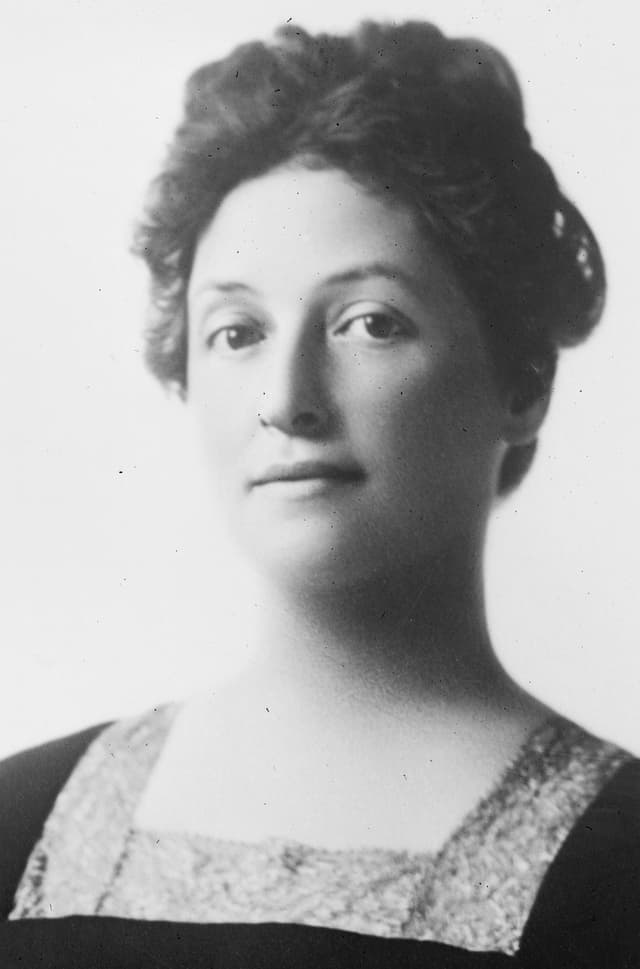
Josephine Preston Peabody
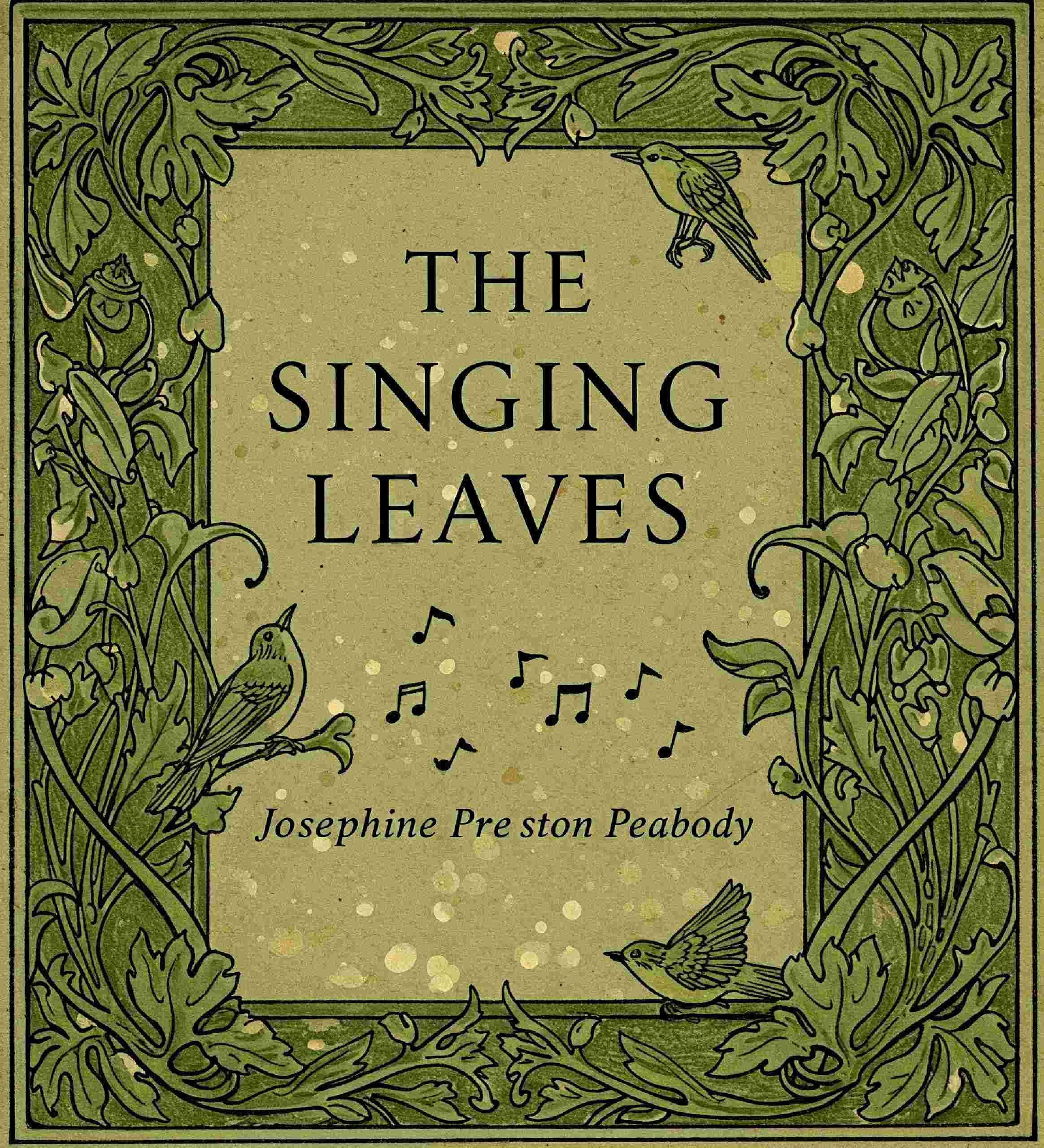
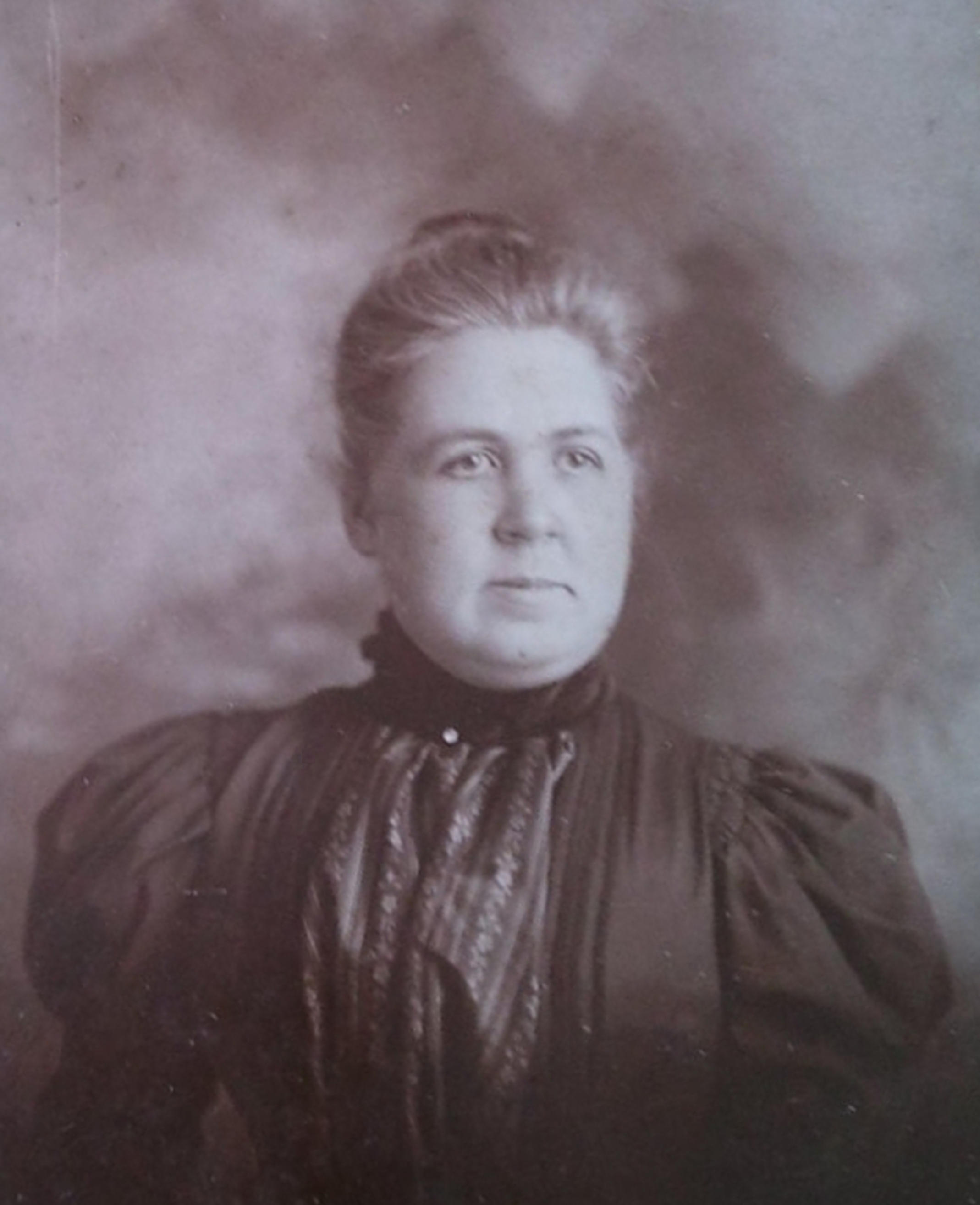
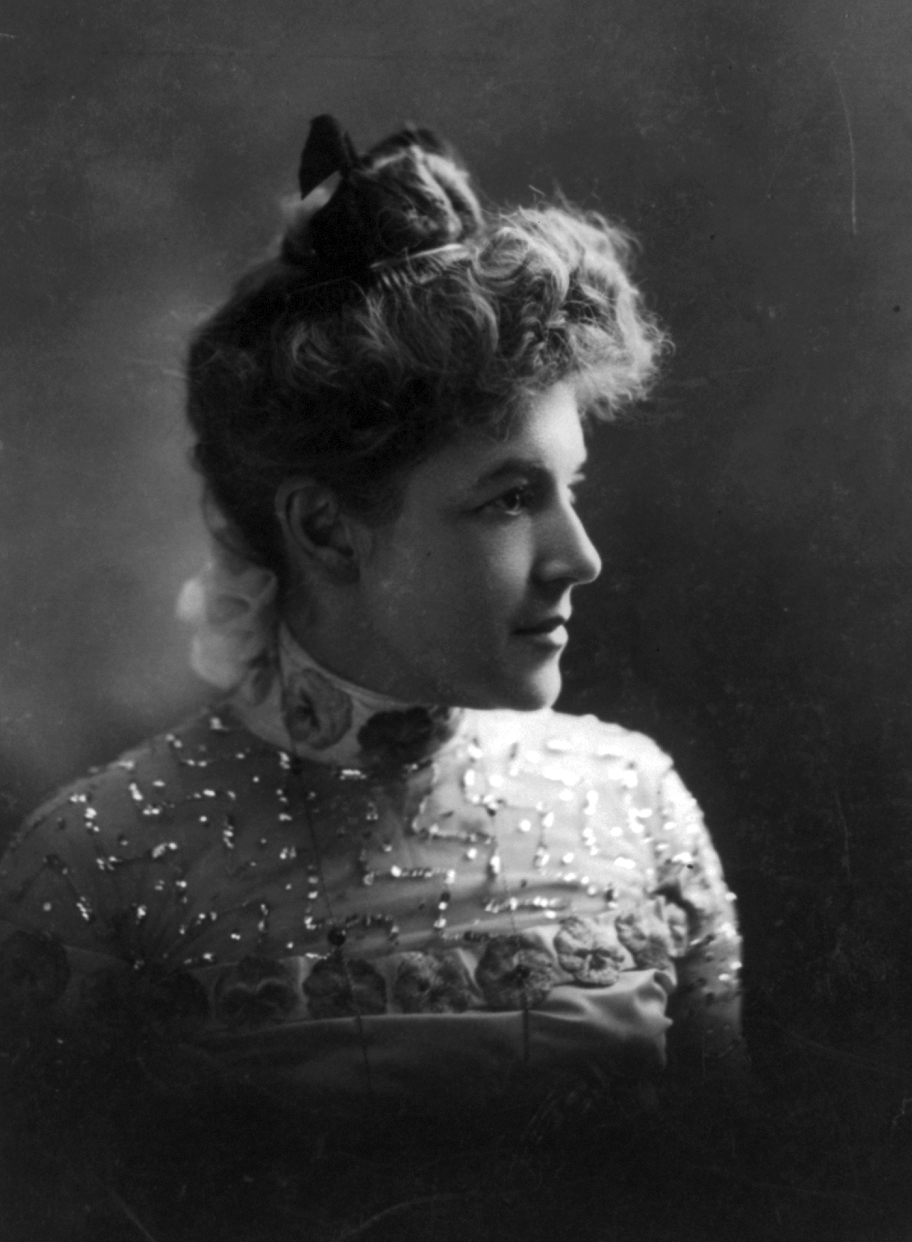
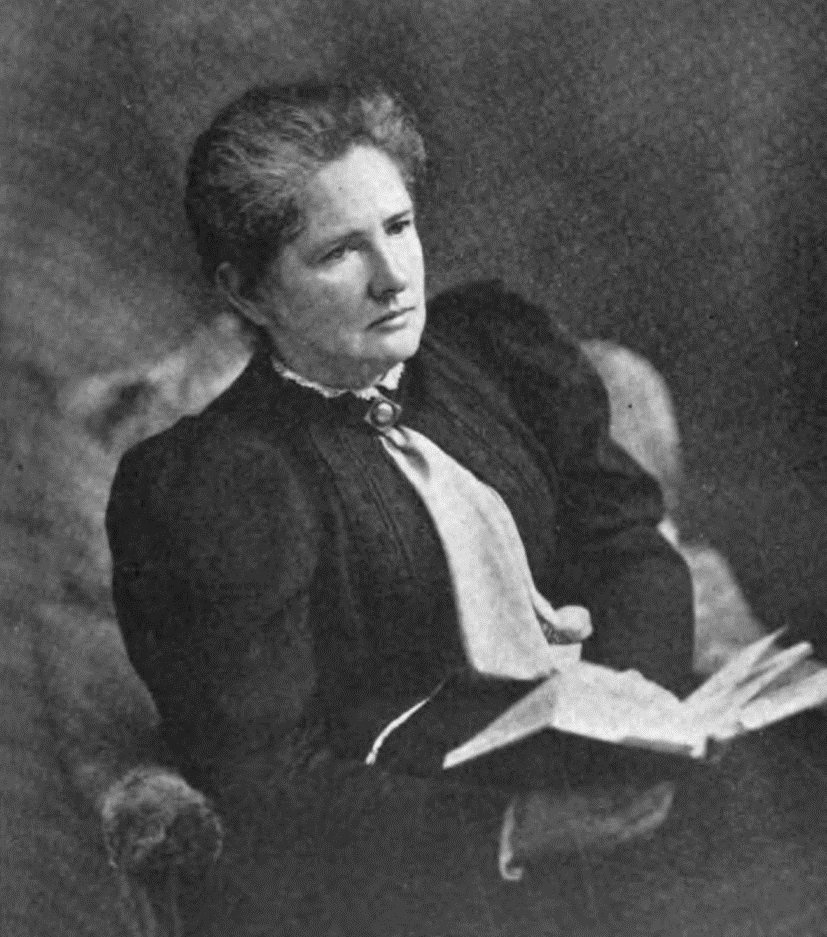
Josephine Preston Peabody was an influential American poet and dramatist known for her lyrical style and exploration of themes such as love, nature, and the human experience. Born in 1874, she began her literary career at a young age, publishing her first poem at just 16. Peabody's work often reflected her deep appreciation for the beauty of the natural world and her interest in the complexities of human emotion. Her notable collections include 'The Wayfarers' and 'The Singing Leaves,' which showcase her ability to weave vivid imagery with profound insights into life and relationships. In addition to her poetry, Peabody made significant contributions to the world of drama. Her play 'The Piper' is particularly recognized for its innovative blend of music and verse, embodying her belief in the transformative power of art. Throughout her career, Peabody was not only a prominent figure in American literature but also an advocate for women's rights and education. Her legacy endures through her contributions to both poetry and theater, as well as her role in shaping the literary landscape of her time.
Famous Quotes
View all 1 quotes“Spinning in April MOON in heaven's garden, among the clouds that wander, Crescent moon so young to see, above the April ways, Whiten, bloom not yet, not yet, within the twilight yonder; All my spinning is not done, for all the loitering days. Oh, my heart has two wild wings that ever would be flying! Oh, my heart's a meadow-lark that ever would be free! Well it is that I must spin until the light is dying; Well it is the little wheel must turn all day for me! All the hill-tops beckon, and beyond the western meadows Something calls for ever, calls me ever, low and clear: A little tree as young as I, the coming summer shadows,— The voice of running waters that I always thirst to hear. Oftentime the plea of it has set my wings a-beating; Oftentime it coaxes, as I sit weary-wise, Till the wild life hastens out to wild things all entreating, And leaves me at the spinning-wheel with dark, unseeing eyes.”
Books from the author




Link to this page
Add a free, dofollow link to Lex on your blog, forum, syllabus, or reading list.

<a href="https://lex-books.com/author/josephine-preston-peabody"><img src="https://lex-books.com/badges/read-on-lex.svg" alt="Josephine Preston Peabody on Lex" width="160" height="40"></a>[](https://lex-books.com/author/josephine-preston-peabody)[url=https://lex-books.com/author/josephine-preston-peabody][img]https://lex-books.com/badges/read-on-lex.svg[/img][/url]Josephine Preston Peabody on Lex: https://lex-books.com/author/josephine-preston-peabody