Old Greek Folk Stories Told Anew
1897
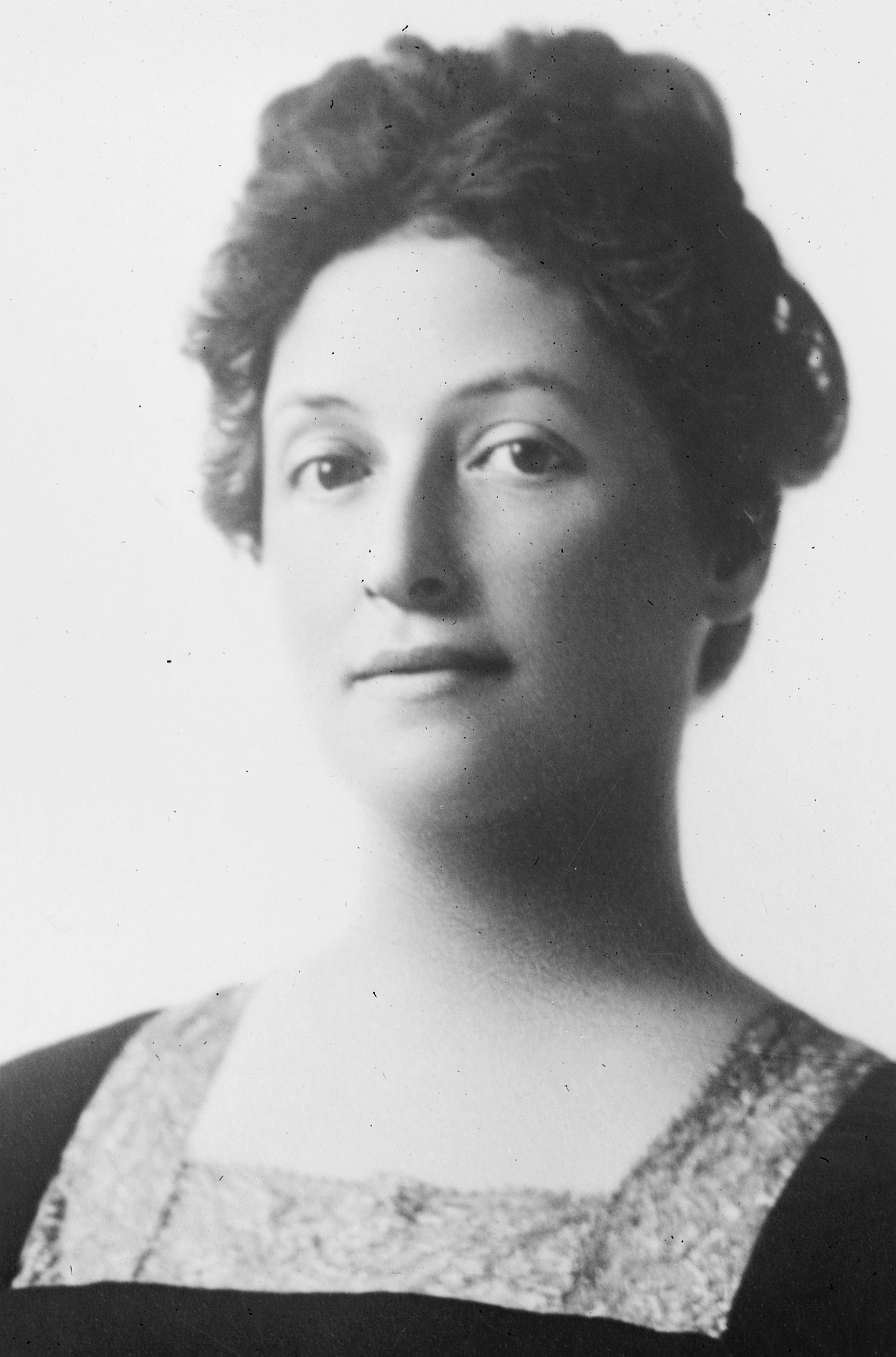
These are the old gods, and they have not forgotten how to wound us. Josephine Preston Peabody, the poet who would become Harvard's first female poet laureate, returned to the Greek myths at the close of the nineteenth century and found them still breathing. Here are the stories that Western civilization has never stopped telling: Narcissus, beautiful and doomed, falling in love with his own reflection. Midas, greedy for gold, learning that abundance can become starvation. Prometheus, thief of fire, paying in eternity for his gift to humanity. Pan, wild and ungovernable, ruling over the spaces between the civilized world and the wild. Peabody tells these tales not as museum pieces but as lived experience. Her prose carries the weight of oral tradition, plain and devastating, letting the stories' own moral force emerge without ornament. These are not children's fables. They are maps of what happens when human desire meets divine consequence. The book endures because these myths are not artifacts but living things, stories we keep retelling because they keep revealing new truths about us.
Editions
Link to this book
Add a free, dofollow link to Lex on your blog, forum, syllabus, or reading list.

<a href="https://lex-books.com/book/old-greek-folk-stories-told-anew-2736170b-0c49-4ec0-80f8-0fca15fac530"><img src="https://lex-books.com/badges/read-on-lex.svg" alt="Read Old Greek Folk Stories Told Anew by Josephine Preston Peabody free on Lex" width="160" height="40"></a>[](https://lex-books.com/book/old-greek-folk-stories-told-anew-2736170b-0c49-4ec0-80f8-0fca15fac530)[url=https://lex-books.com/book/old-greek-folk-stories-told-anew-2736170b-0c49-4ec0-80f8-0fca15fac530][img]https://lex-books.com/badges/read-on-lex.svg[/img][/url]Read Old Greek Folk Stories Told Anew by Josephine Preston Peabody free on Lex: https://lex-books.com/book/old-greek-folk-stories-told-anew-2736170b-0c49-4ec0-80f8-0fca15fac530Cite this book
Reading this edition for a paper or guide? Copy a citation.
Peabody, Josephine Preston. Old Greek Folk Stories Told Anew. Lex, lex-books.com/book/old-greek-folk-stories-told-anew-2736170b-0c49-4ec0-80f8-0fca15fac530.Peabody, J. P. (1897). Old Greek Folk Stories Told Anew. Lex. https://lex-books.com/book/old-greek-folk-stories-told-anew-2736170b-0c49-4ec0-80f8-0fca15fac530Peabody, Josephine Preston. Old Greek Folk Stories Told Anew. Lex. https://lex-books.com/book/old-greek-folk-stories-told-anew-2736170b-0c49-4ec0-80f8-0fca15fac530.