John Charles van Dyke
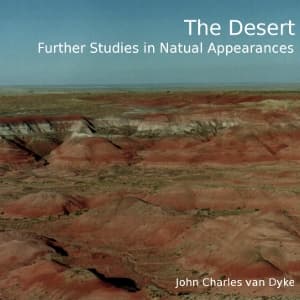
John Charles van Dyke was an American painter, art critic, and writer, known for his deep appreciation of the natural world, particularly the American Southwest. He gained prominence in the late 19th and early 20th centuries, contributing significantly to the understanding and appreciation of desert landscapes through both his artistic endeavors and literary works. His notable book, 'Desert: Further Studies in Natural Appearances,' reflects his keen observations and philosophical musings on the beauty and complexity of desert environments, blending art and nature in a way that invites readers to see the world through his eyes. Van Dyke's writings often emphasized the importance of experiencing nature directly, advocating for a deeper connection between humanity and the natural world. His work not only captured the aesthetic qualities of the desert but also explored its spiritual and emotional significance. Through his essays and critiques, he influenced both the art community and the broader public's perception of the American landscape, making him a key figure in the environmental appreciation movement of his time. His legacy endures in the ongoing dialogue about nature and art, as well as in the continued exploration of the American Southwest by artists and writers alike.
Audiobooks from the author

Link to this page
Add a free, dofollow link to Lex on your blog, forum, syllabus, or reading list.

<a href="https://lex-books.com/author/john-charles-van-dyke"><img src="https://lex-books.com/badges/read-on-lex.svg" alt="John Charles van Dyke on Lex" width="160" height="40"></a>[](https://lex-books.com/author/john-charles-van-dyke)[url=https://lex-books.com/author/john-charles-van-dyke][img]https://lex-books.com/badges/read-on-lex.svg[/img][/url]John Charles van Dyke on Lex: https://lex-books.com/author/john-charles-van-dyke