
James V. McConnell
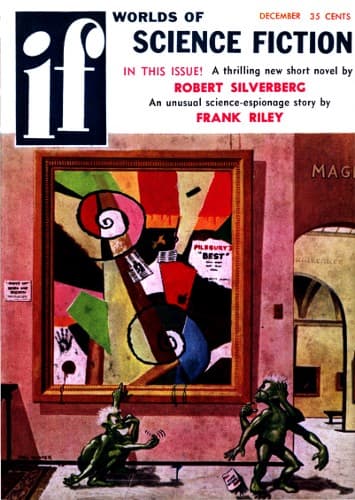
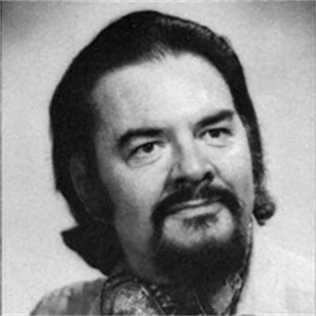
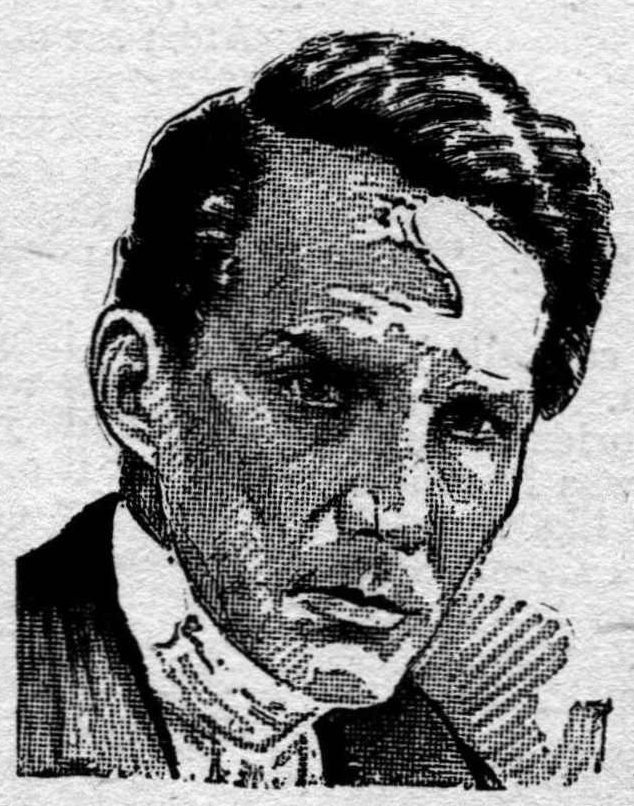
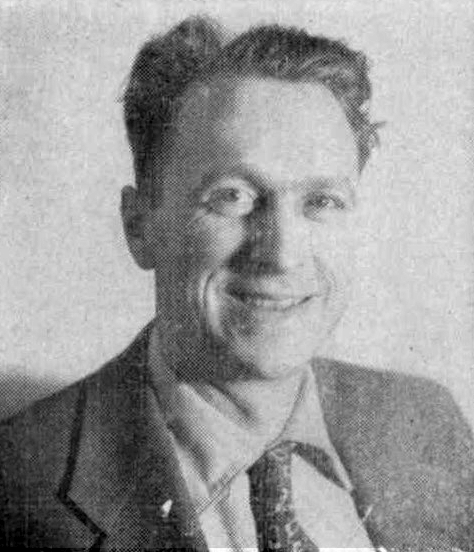
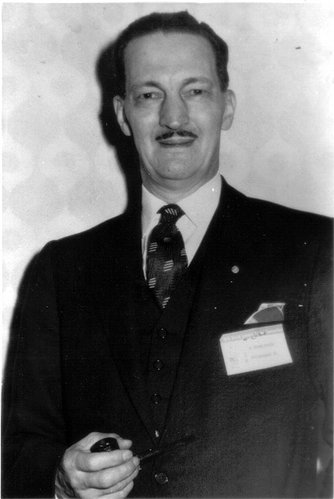
James V. McConnell was an American biologist and animal psychologist renowned for his pioneering research on learning and memory transfer in planarians during the 1950s and 1960s. His experiments suggested that these simple flatworms could transfer learned behaviors to other planarians through a process he termed 'memory transfer,' sparking significant interest and debate in the fields of psychology and biology regarding the nature of memory and learning. McConnell's work raised questions about the biological basis of memory and the potential for memory to be encoded in a physical form, influencing future research in neurobiology and behavior. In addition to his scientific contributions, McConnell was also a writer of science fiction, publishing several short stories in the mid-1950s. His dual interests in science and literature allowed him to explore complex themes of consciousness and identity, often reflecting his scientific inquiries in his fictional works. McConnell's legacy lies in his innovative approach to understanding memory and learning, as well as his ability to bridge the gap between scientific exploration and creative expression, making him a notable figure in both the scientific and literary communities.
Famous Quotes
View all 2 quotes“People who smile tend to manage, teach and sell more effectively, and to raise happier children. There's far more information in a smile than a frown. That's why encouragement is a much more effective teaching device than punishment.”
“The techniques of behavioral control make even the hydrogen bomb look like a child's toy.”
Books from the author







Link to this page
Add a free, dofollow link to Lex on your blog, forum, syllabus, or reading list.

<a href="https://lex-books.com/author/james-v-mcconnell"><img src="https://lex-books.com/badges/read-on-lex.svg" alt="James V. McConnell on Lex" width="160" height="40"></a>[](https://lex-books.com/author/james-v-mcconnell)[url=https://lex-books.com/author/james-v-mcconnell][img]https://lex-books.com/badges/read-on-lex.svg[/img][/url]James V. McConnell on Lex: https://lex-books.com/author/james-v-mcconnell