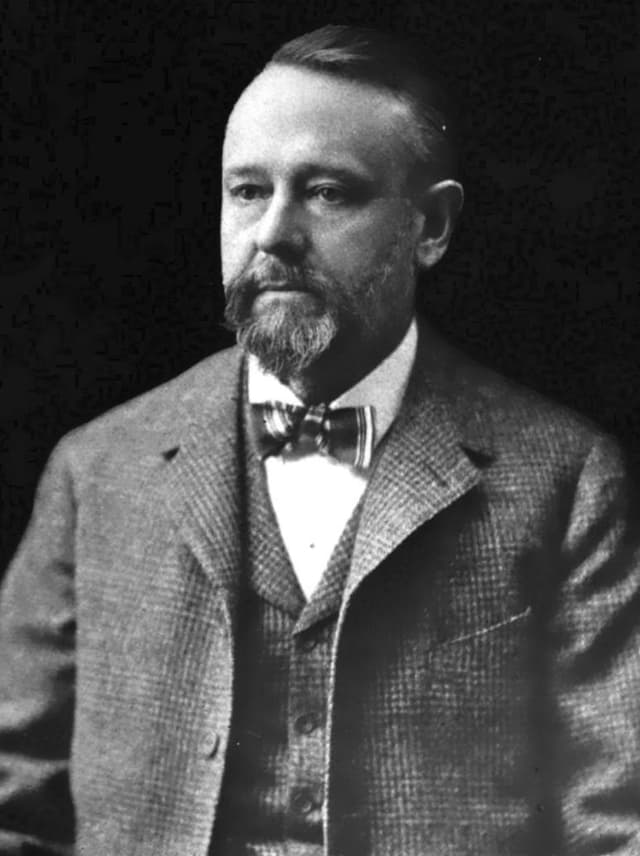
James Ford Rhodes
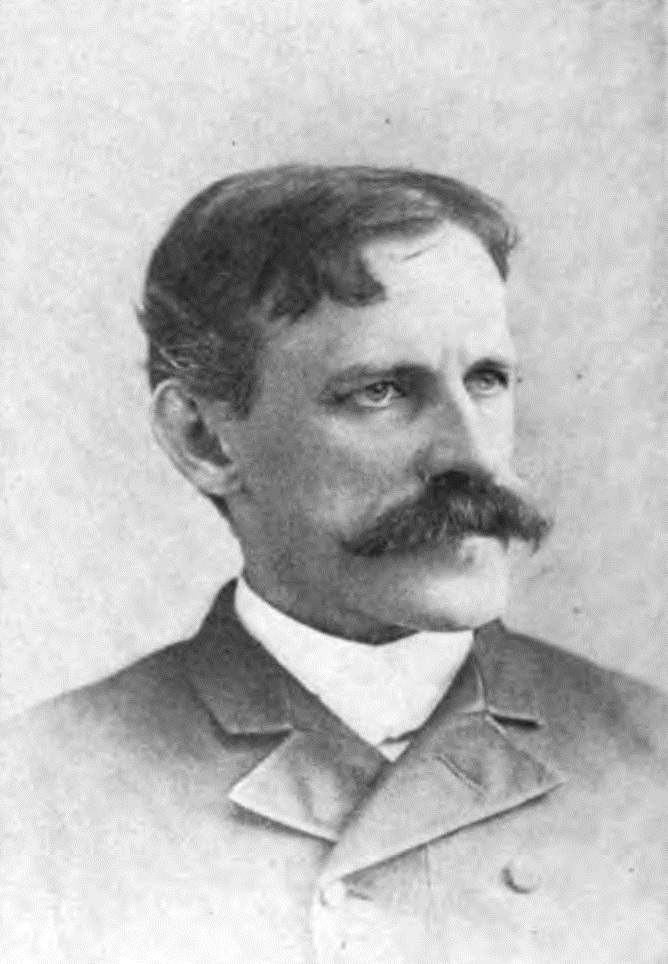
James Ford Rhodes was an influential American industrialist and historian, born in Cleveland, Ohio. After achieving significant success in the iron, coal, and steel industries, he retired in 1885 to dedicate himself to historical research. Rhodes is best known for his comprehensive seven-volume work, 'History of the United States from 1850,' published between 1893 and 1906, with an additional volume released in 1920. His meticulous scholarship and narrative style set a standard for historical writing in the United States. In 1918, Rhodes published 'A History of the Civil War, 1861–1865,' which garnered critical acclaim and won the second-ever Pulitzer Prize for History. His works are notable for their depth of research and clarity, providing a detailed account of pivotal moments in American history. Rhodes's contributions to historical literature not only shaped the understanding of the Civil War and Reconstruction era but also influenced future historians in their approach to American history. His legacy endures through his writings, which remain significant resources for both scholars and general readers interested in the complexities of the American past.
Famous Quotes
View all 3 quotes“On the first day of January, 1863, all persons held as slaves within any State or designated part of a State, the people whereof shall then be in rebellion against the United States, shall be then, thenceforward and forever free. In the case of the loyal slave States he declared again for his policy of compensated emancipation and colonization of the freed negroes, and said that he should in due time recommend compensation also for the loss of their slaves to loyal citizens of the States in rebellion.”
“THE GREAT factor in the destruction of slavery was the election of Abraham Lincoln as President in 1860”
“The crisis was like one described by Thucydides when the meaning of words had no longer the same relation to things. Reckless daring was held to be loyal courage; prudent delay was the excuse of a coward; moderation was the disguise of unmanly weakness.”
Books from the author





Link to this page
Add a free, dofollow link to Lex on your blog, forum, syllabus, or reading list.

<a href="https://lex-books.com/author/james-ford-rhodes"><img src="https://lex-books.com/badges/read-on-lex.svg" alt="James Ford Rhodes on Lex" width="160" height="40"></a>[](https://lex-books.com/author/james-ford-rhodes)[url=https://lex-books.com/author/james-ford-rhodes][img]https://lex-books.com/badges/read-on-lex.svg[/img][/url]James Ford Rhodes on Lex: https://lex-books.com/author/james-ford-rhodes