
Herman Heijermans
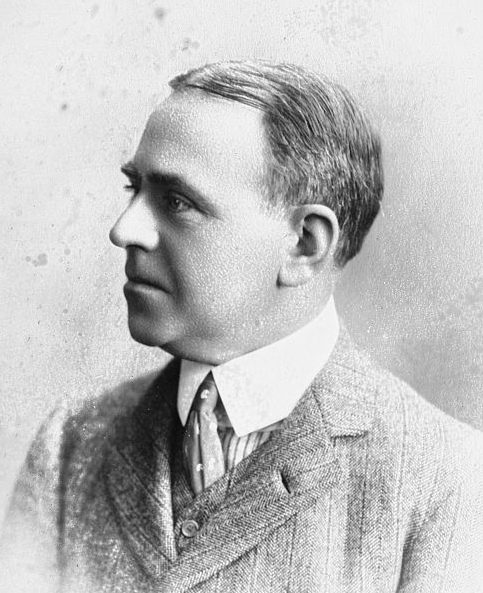
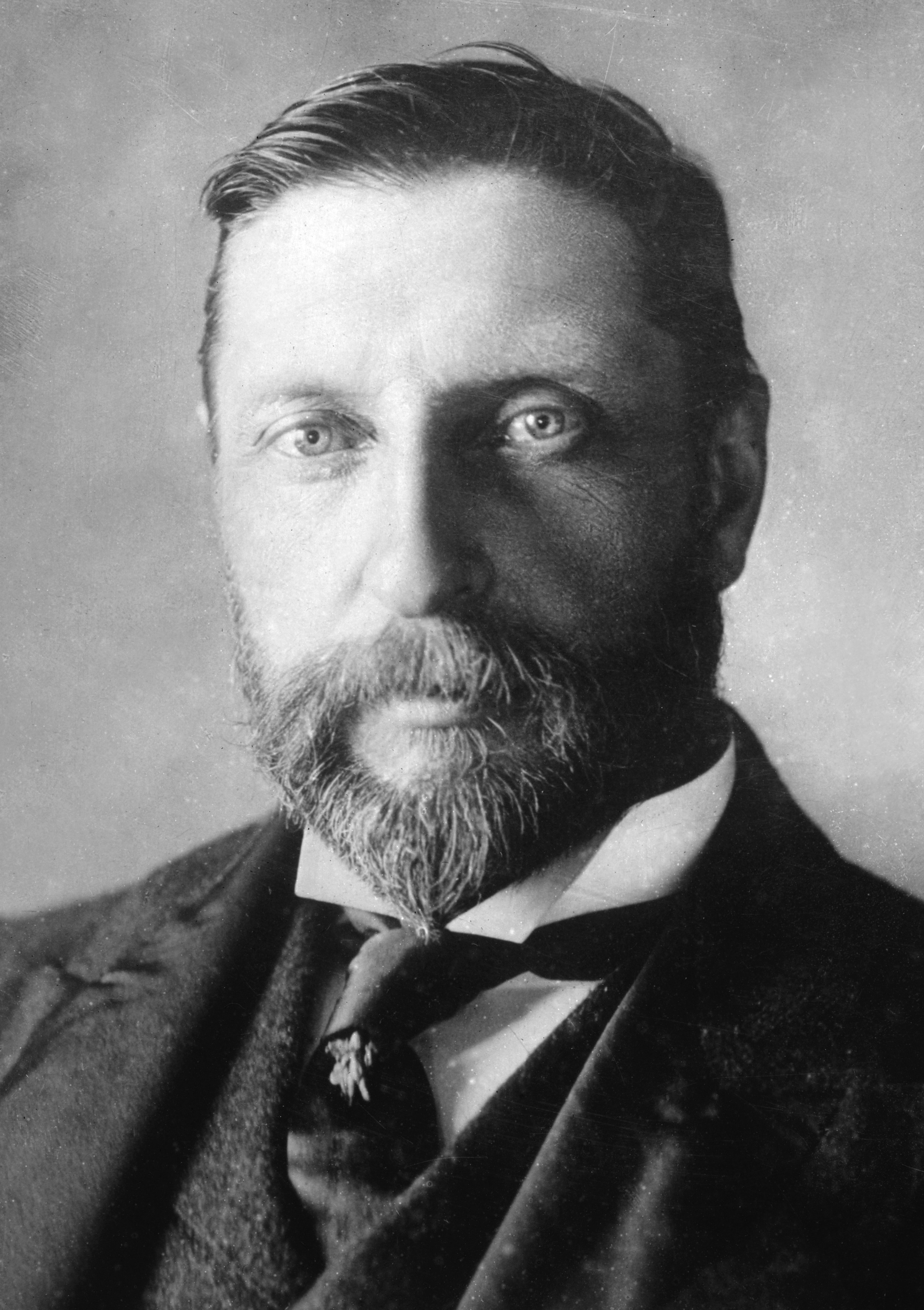
Herman Heijermans was a prominent Dutch playwright, novelist, and short story writer, widely regarded as the greatest dramatist of modern Dutch literature. Born in 1864, he emerged as a significant literary figure, gaining recognition not only in the Netherlands but also internationally, a feat not seen since the time of Joost van den Vondel. Heijermans's works often tackled social issues, reflecting the struggles of the working class and the complexities of human relationships, which resonated deeply with audiences of his time. Among his most notable works are the plays 'Op hoop van zegen' (On the Hope of Salvation) and 'De storm' (The Storm), both of which exemplify his ability to blend realism with poignant social commentary. His writing was characterized by a strong sense of empathy for the marginalized, and he was unafraid to address controversial themes, making him a pioneering figure in Dutch theatre. Heijermans's legacy endures as he paved the way for future generations of playwrights, influencing the evolution of Dutch drama and leaving an indelible mark on the cultural landscape of the Netherlands.
Famous Quotes
View all 3 quotes“Het is wijzer niet te eten, dan met 'n hongerige maag van iets te próéven.”
“Het echte, waarachtige leven is over de heele wereld zoowat hetzelfde, maar om het telkens nieuw, anders en in zijn grootschheid dieper, inniger te voelen, moet je je af en toe verplaatsen. Lang, lang op dezelfde plaats, zonder afwisseling, zonder prikkel, zonder nijpender schakel aan je gemeenschap, word je vadzig, let je minder op, begin je je aan de eigen, ontaardende ik-dingen te wennen. Een schrijver, in zulk een periode van zijn bestaan, zakt den weg, die naar het decadente voert, af.”
“In Holland is ’t schrijven van ’n oorspronkelijk stuk een misdaad. Men valt er op aan, als havikken op ’n kreng. Ieder sleurt ’n brokje mee, tot ’n kaalgevreten skelet overblijft. Dat was zo. Dat zal zo zijn: omdat Holland klein is, omdat improduktieve menschen op ’t gebied van venijn ultra-produktief zijn.”
Books from the author




Link to this page
Add a free, dofollow link to Lex on your blog, forum, syllabus, or reading list.

<a href="https://lex-books.com/author/herman-heijermans"><img src="https://lex-books.com/badges/read-on-lex.svg" alt="Herman Heijermans on Lex" width="160" height="40"></a>[](https://lex-books.com/author/herman-heijermans)[url=https://lex-books.com/author/herman-heijermans][img]https://lex-books.com/badges/read-on-lex.svg[/img][/url]Herman Heijermans on Lex: https://lex-books.com/author/herman-heijermans