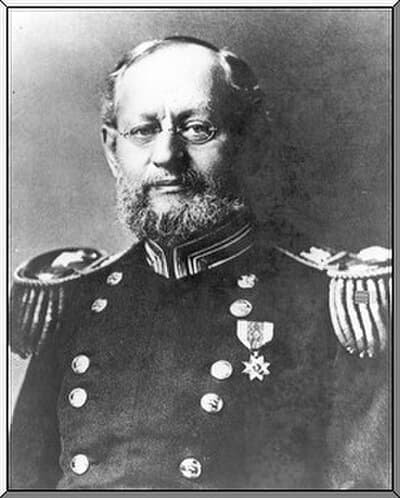
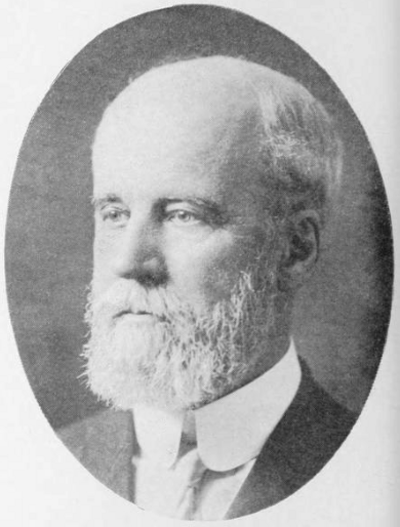
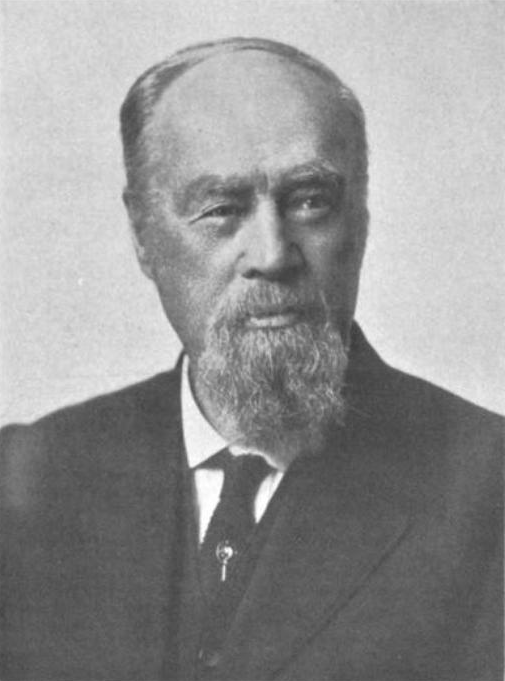
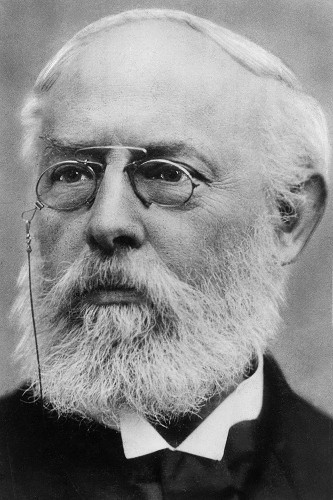
Henry M. Robert
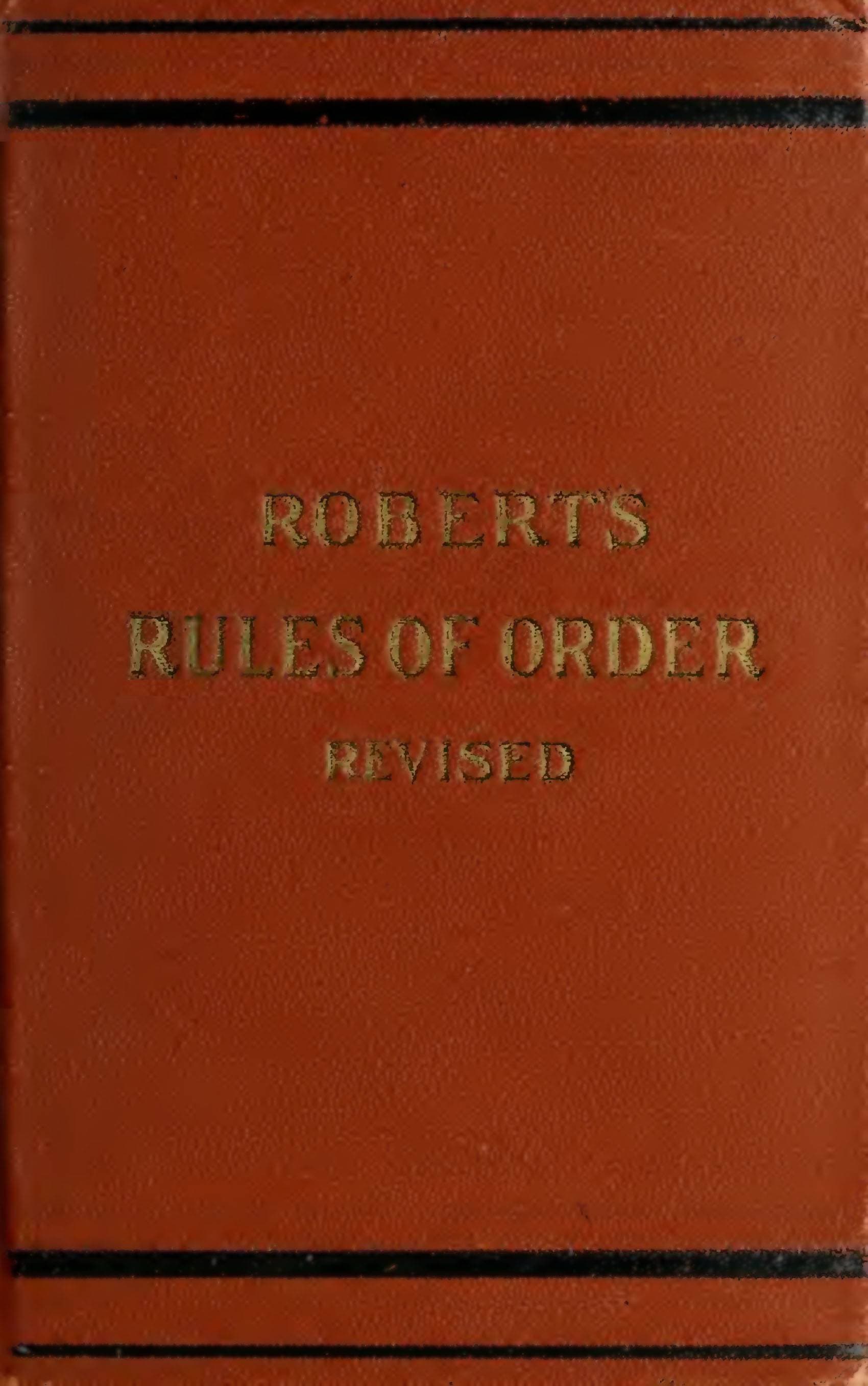
Henry M. Robert was an American military engineer and author, best known for his influential work on parliamentary procedure. His seminal book, 'Robert's Rules of Order,' first published in 1876, provided a comprehensive guide to the rules and procedures governing meetings and organizations. This work became a cornerstone for legislative bodies, non-profits, and various organizations, establishing a standardized approach to conducting meetings and ensuring orderly debate. Robert's emphasis on fairness and clarity in discussions has had a lasting impact on democratic practices in the United States and beyond. In addition to his contributions to parliamentary procedure, Robert served as a major in the U.S. Army Corps of Engineers and held various engineering positions throughout his career. His military background informed his structured approach to governance and organization. Robert's legacy endures through the continued use of his rules in countless organizations, making him a pivotal figure in the development of modern democratic processes. His work has not only shaped the way meetings are conducted but has also influenced the broader understanding of order and fairness in group decision-making.
Famous Quotes
View all 13 quotes“I keep collecting books I know I'll never, never read; My wife and daughter tell me so, And yet I never heed. "Please make me," says some wistful tome, "A wee bit of yourself."And so I take my treasure home, And tuck it in a shelf. And now my very shelves complain; They jam and over-spill. They say: "Why don't you ease our strain?" "Some day," I say, "I will." So book by book they plead and sigh; I pick and dip and scan; Then put them back, distressed that I Am such a busy man. Now, there's my Boswell and my Sterne, my Gibbon and Defoe; To savor Swift I'll never learn, Montaigne I may not know. On Bacon I will never sup, For Shakespeare I've no time; Because I'm busy making up These jingly bits of rhyme. Chekov is caviar to me, While Stendhal makes me snore; Poor Proust is not my cup of tea, And Balzac is a bore. I have their books, I love their names, And yet alas! they head, With Lawrence, Joyce and Henry James, My Roster of Unread. I think it would be very well If I commit a crime, And get put in a prison cell And not allowed to rhyme; Yet given all these worthy books According to my need, I now caress with loving looks, But never, never read."(from, Book Lover)””
“Where there is no law, but every man does what is right in his own eyes, there is the least of liberty.””
“Just in time to pick up the shells after the shoot-out is over, I'm sure. I've known a few analysts and number crunchers. You work with paper, computers, pore over printouts-charts, graphs, scatter plots but you don't deal with people. You're more comfortable with bits and bytes,"Caston tilted his head. "John Henry did beat the steam drill once. Maybe you were sleeping in when the information age dawned. Today, technology spans borders. It watches. It hears. It registers patterns, small statistical perturbations, and if we're willing to pay attention--""It can hear, but it can't listen. It can watch, but it can't observe And it sure as hell can't converse with the men and women we've got to deal with. There's no substitute for that, goddammit.””
Books from the author




Link to this page
Add a free, dofollow link to Lex on your blog, forum, syllabus, or reading list.

<a href="https://lex-books.com/author/henry-m-robert"><img src="https://lex-books.com/badges/read-on-lex.svg" alt="Henry M. Robert on Lex" width="160" height="40"></a>[](https://lex-books.com/author/henry-m-robert)[url=https://lex-books.com/author/henry-m-robert][img]https://lex-books.com/badges/read-on-lex.svg[/img][/url]Henry M. Robert on Lex: https://lex-books.com/author/henry-m-robert