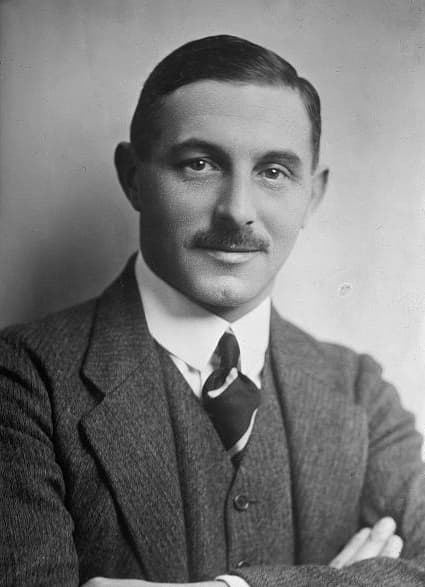
Gilbert Frankau
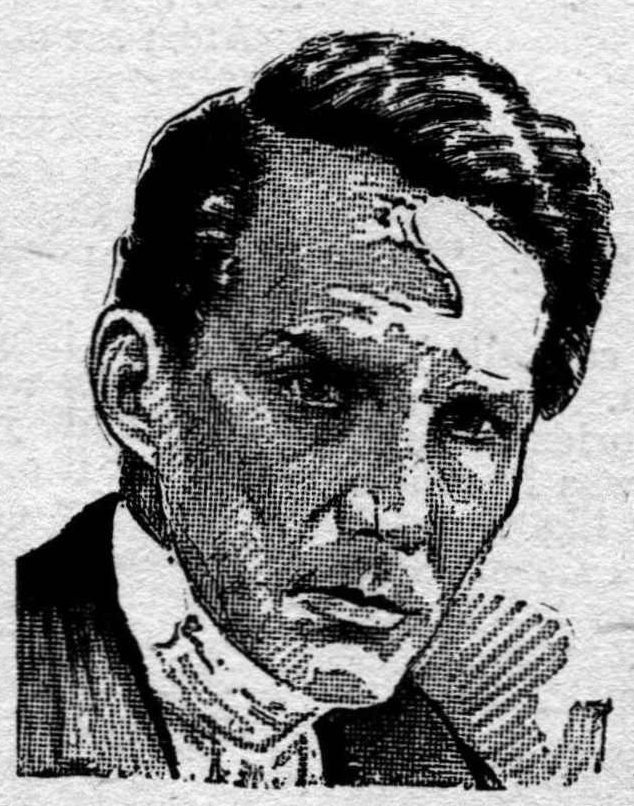
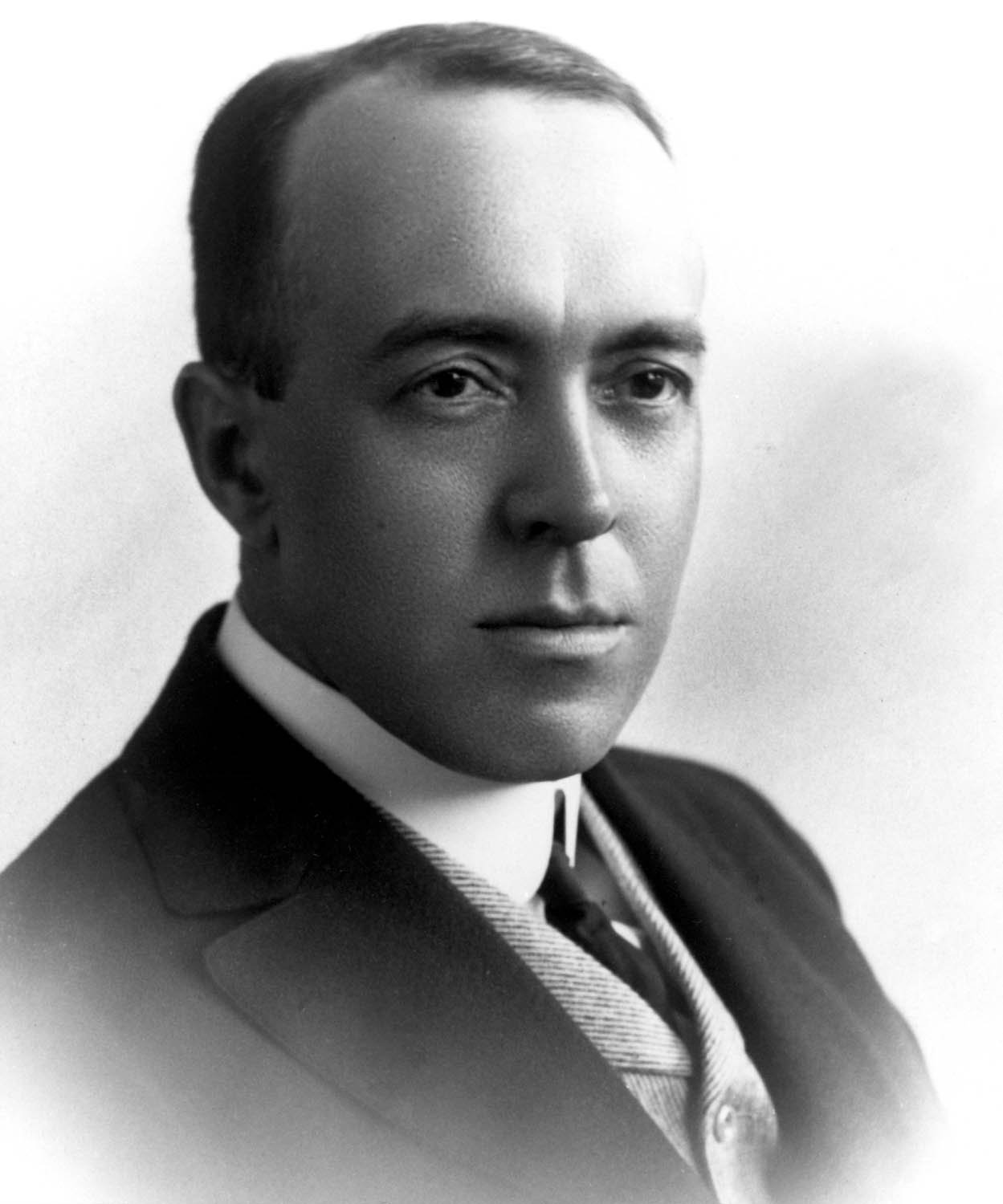
Gilbert Frankau was a prominent British novelist and war poet, whose literary career spanned the early to mid-20th century. Born in London to a Jewish family, he was baptized as an Anglican at thirteen and later converted to Roman Catholicism. Frankau's education at Eton College preceded his entry into the family cigar business, where he became managing director at just twenty-one. His experiences during World War I deeply influenced his writing, leading him to produce a number of verse novels and short stories that captured the complexities of human emotion and conflict. Among his notable works are 'The Lion's Share' and 'The Man Who Knew Too Much,' which showcased his ability to blend narrative with poetic form. Frankau's literature often reflected the social issues of his time, making him a significant figure in British literature. His contributions as a war poet positioned him within the broader context of World War I literature, where he explored themes of loss, heroism, and the human condition. Despite his passing in 1952, Frankau's works continue to be recognized for their emotional depth and social commentary, solidifying his legacy as a noteworthy voice in early 20th-century literature.
Famous Quotes
View all 3 quotes“Yea ! by your works are ye justified--toil unrelieved ; Manifold labours, co-ordinate each to the sending achieved ; Discipline, not of the feet but the soul, unremitting, unfeigned ; Tortures unholy by flame and by maiming, known, faced, and disdained ; Courage that suns Only foolhardiness ; even by these, are ye worthy of your guns.”
“No Galahad, he still cherished the conviction that women, with rare exceptions, were either “good” or “bad”.”
“The hero worship had just become obvious. He felt that he ought to be resenting it. All the same, the whiff of incense was not unsweet in his nostrils. Rather the reverse.”
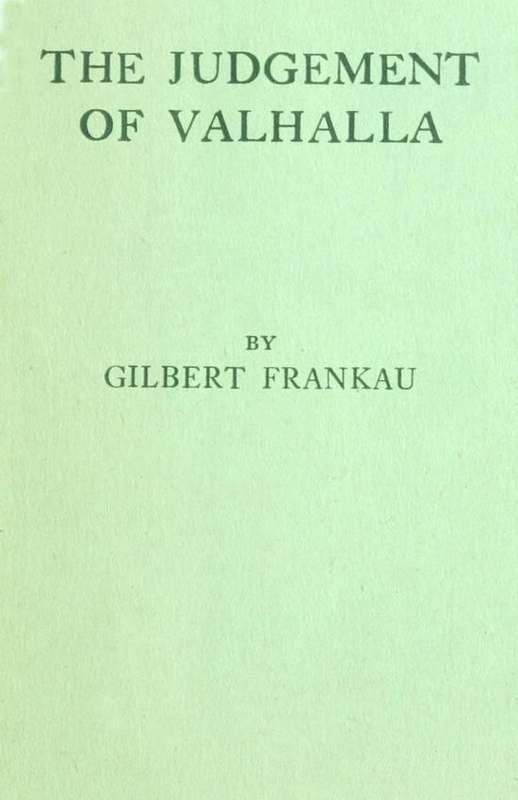
Books from the author




Link to this page
Add a free, dofollow link to Lex on your blog, forum, syllabus, or reading list.

<a href="https://lex-books.com/author/gilbert-frankau"><img src="https://lex-books.com/badges/read-on-lex.svg" alt="Gilbert Frankau on Lex" width="160" height="40"></a>[](https://lex-books.com/author/gilbert-frankau)[url=https://lex-books.com/author/gilbert-frankau][img]https://lex-books.com/badges/read-on-lex.svg[/img][/url]Gilbert Frankau on Lex: https://lex-books.com/author/gilbert-frankau