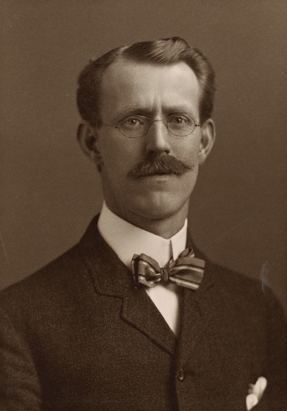
G. M. George
G. M. George was a notable author whose work often explored themes of identity and societal expectations. Best known for her novel "Plain Jane," George delved into the complexities of self-perception and the often harsh judgments imposed by society. The narrative centers around a protagonist who grapples with her own sense of worth and the external pressures to conform to conventional standards of beauty and success. Through her keen observations and relatable characters, George offered a critique of the superficial values that can dominate social interactions. George's writing is characterized by its engaging prose and insightful commentary on the human condition. While not as widely recognized as some of her contemporaries, her contributions to literature resonate with readers who appreciate nuanced explorations of character and society. "Plain Jane" remains a significant work that invites reflection on the nature of self-acceptance and the pursuit of authenticity in a world that often prioritizes appearances over substance.
Famous Quotes
View all 8 quotes“The term Greek philosophy, to begin with is a misnomer, for there is no such philosophy in existence. The ancient Egyptians had developed a very complex religious system, called the Mysteries, which was also the first system of salvation. As such, it regarded the human body as a prison house of the soul, which could be liberated from its bodily impediments, through the disciplines of the Arts and Sciences, and advanced from the level of a mortal to that of a God.””
“THE earliest theory of salvation is the Egyptian theory. The Egyptian Mystery System had as its most important object, the deification of man, and taught that the soul of man if liberated from its bodily fetters, could enable him to become godlike and see the Gods in this life and attain the beatific vision and hold communion with the Immortals (Ancient Mysteries, C. H. Vail, P. 25).””
“Ancient Rome, who through the edicts of her Emperors Theodosius in the 4th century A.D. and Justinian in the 6th century A.D. abolished the Mysteries of the African Continent; that is the ancient culture system of the world. The higher metaphysical doctrines of those Mysteries could not be comprehended; the spiritual powers of the priests were unsurpassed; the magic of the rites and ceremonies filled the people with awe; Egypt was the holy land of the ancient world and the Mysteries were the one, ancient and holy Catholic religion, whose power was supreme. This lofty culture system of the Black people filled Rome with envy, and consequently she legalized Christianity which she had persecuted for five long centuries, and set it up as a state religion and as a rival of Mysteries, its own mother. This is why the Mysteries have been despised; this is why other ancient religions of the Black people are despised; because they are all offspring of the African Mysteries, which have never been clearly understood by Europeans, and consequently have provoked their prejudice and condemnation. In keeping with the plan of Emperors Theodosius and Justinian to exterminate and forever suppress the culture system of the African continents the Christian church established its missionary enterprise to fight against what it has called paganism.””
Books from the author










Link to this page
Add a free, dofollow link to Lex on your blog, forum, syllabus, or reading list.

<a href="https://lex-books.com/author/g-m-george"><img src="https://lex-books.com/badges/read-on-lex.svg" alt="G. M. George on Lex" width="160" height="40"></a>[](https://lex-books.com/author/g-m-george)[url=https://lex-books.com/author/g-m-george][img]https://lex-books.com/badges/read-on-lex.svg[/img][/url]G. M. George on Lex: https://lex-books.com/author/g-m-george