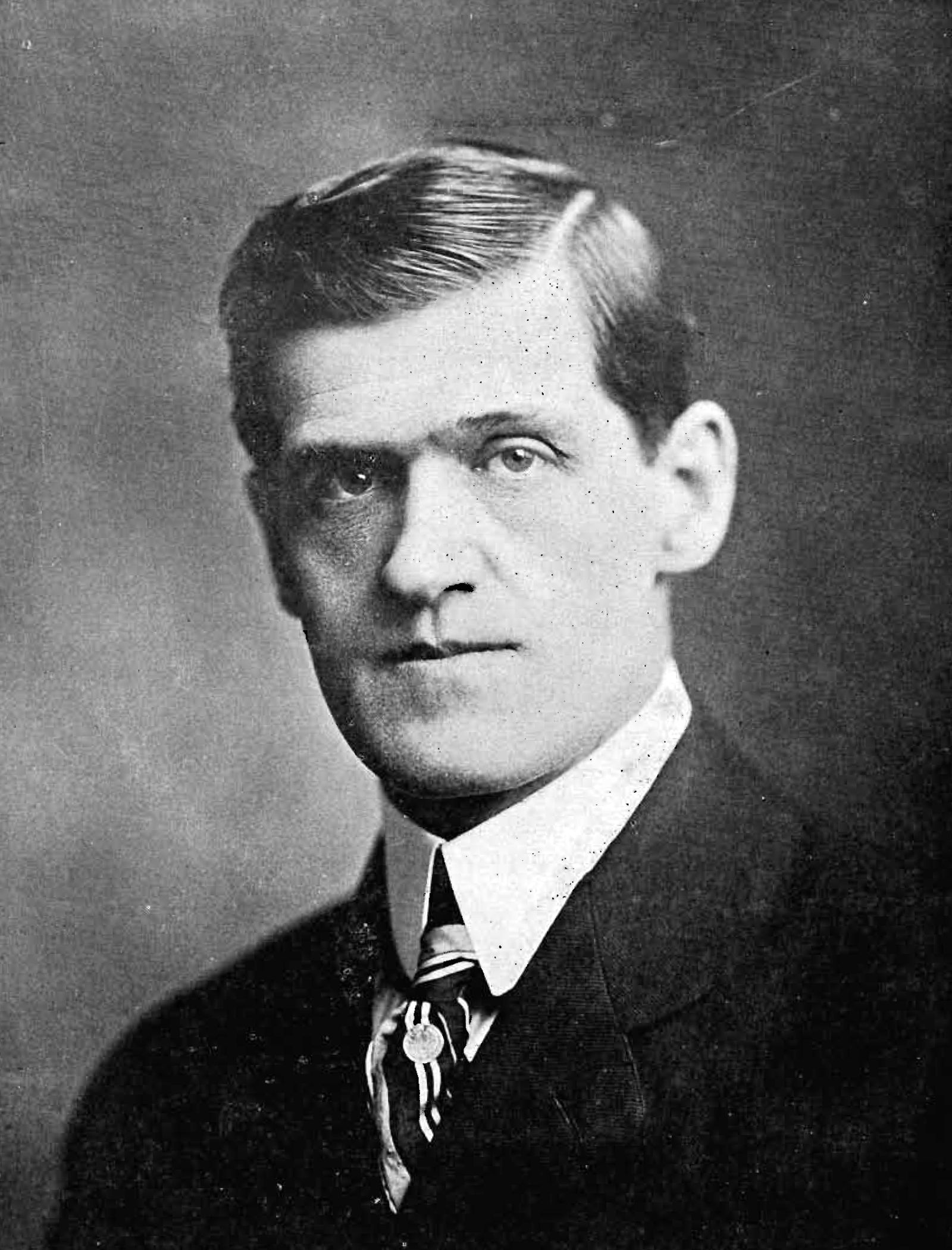
Franz Paul Liesegang
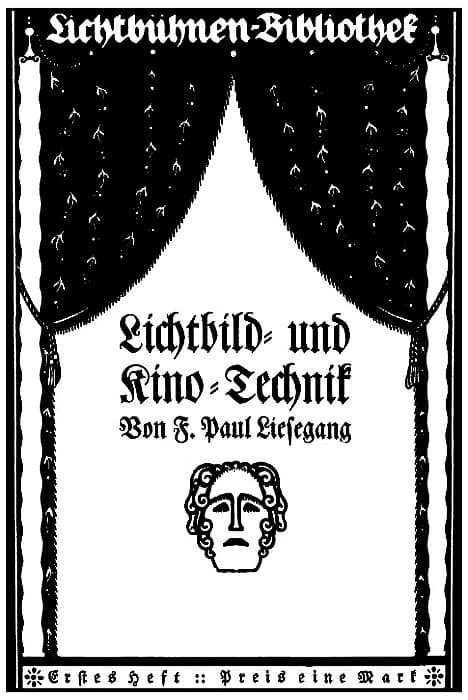
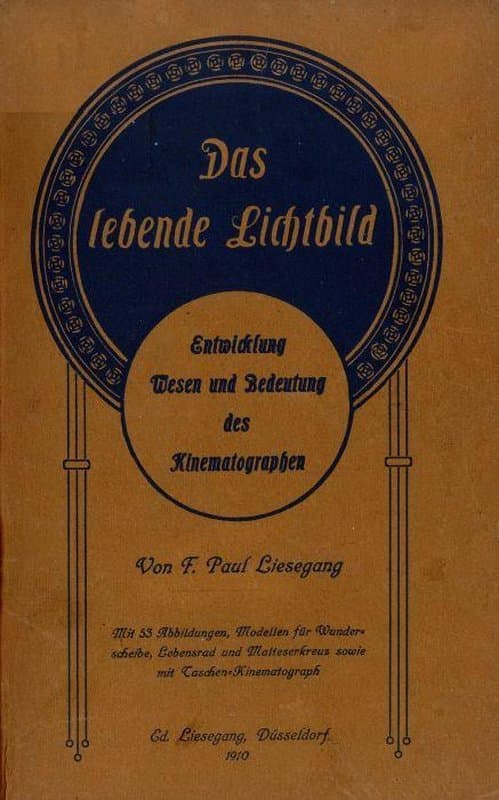
Franz Paul Liesegang was a pioneering figure in the field of cinematography and projection technology. Born in Germany, he dedicated his career to exploring the artistic and technical aspects of moving images. Liesegang's works, such as "Handbuch Der Praktischen Kinematographiedie Verschiedenen Konstruktions-Formen Des Kinematographen" and "Das lebende Lichtbild: Entwicklung, Wesen und Bedeutung des Kinematographen," reflect his deep understanding of the mechanics and aesthetics of film. He was instrumental in documenting the evolution of the cinematograph, providing insights into its significance in modern visual culture. In addition to his technical manuals, Liesegang's contributions to projection art are encapsulated in works like "Lichtbild- Und Kino-Technik" and "Sciopticon: Einführung in Die Projections-Kunst." These texts not only served as guides for practitioners in the field but also highlighted the artistic potential of projection as a medium. Liesegang's influence extended beyond his publications; he played a crucial role in shaping the early discourse around cinema and its capabilities. His legacy endures in the foundational principles of film technology and projection techniques that continue to inform contemporary practices.
Books from the author


Link to this page
Add a free, dofollow link to Lex on your blog, forum, syllabus, or reading list.

<a href="https://lex-books.com/author/franz-paul-liesegang"><img src="https://lex-books.com/badges/read-on-lex.svg" alt="Franz Paul Liesegang on Lex" width="160" height="40"></a>[](https://lex-books.com/author/franz-paul-liesegang)[url=https://lex-books.com/author/franz-paul-liesegang][img]https://lex-books.com/badges/read-on-lex.svg[/img][/url]Franz Paul Liesegang on Lex: https://lex-books.com/author/franz-paul-liesegang