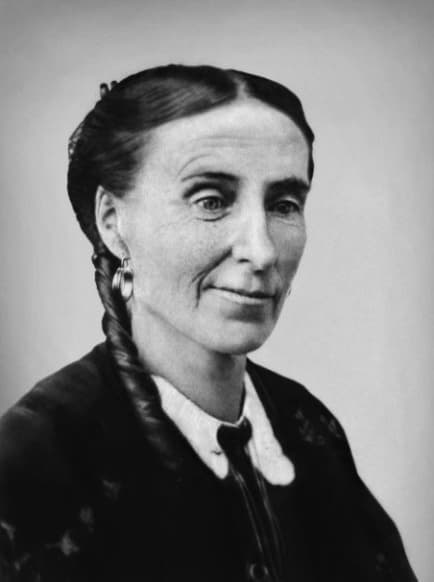
Frances Browne
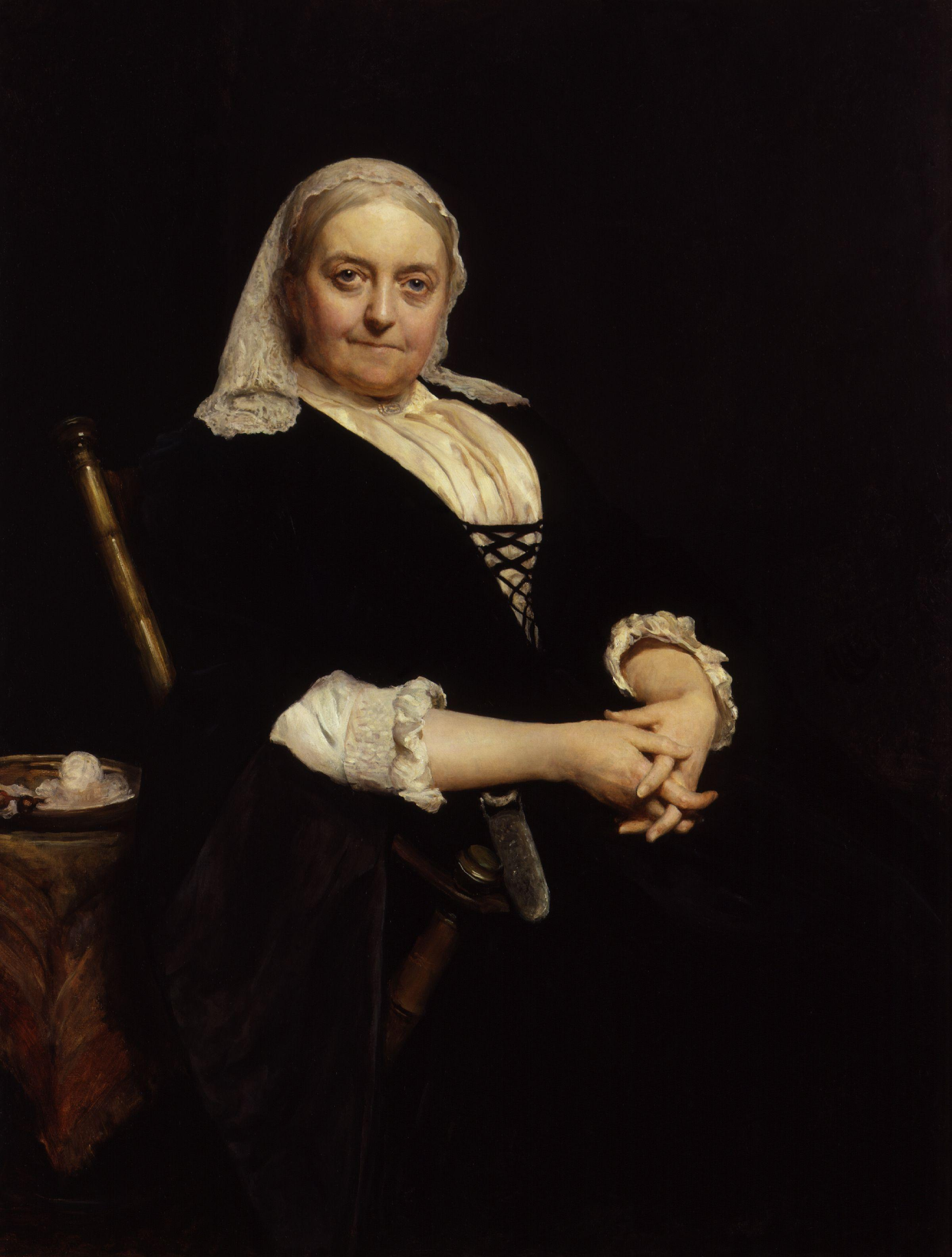
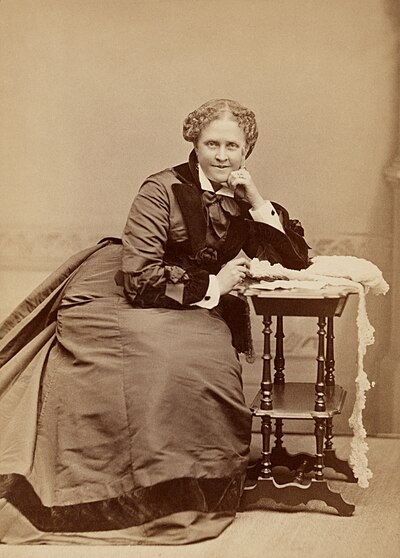
Frances Browne was an Irish poet and novelist who overcame the challenges of blindness, which she developed after contracting smallpox as a child. Despite her disability, she displayed a remarkable talent for writing from a young age, composing her first poem at just seven years old. Throughout her life, Browne produced a diverse body of work that included essays, reviews, stories, and poetry, showcasing her literary versatility and depth of insight. She is perhaps best known for her enchanting collection of children's short stories, 'Granny's Wonderful Chair,' which has captivated readers with its imaginative narratives and moral lessons. Browne's contributions to literature, particularly in children's literature, have been recognized posthumously, with a statue erected in her honor in Stranorlar and an annual festival celebrating her legacy. Her work continues to be appreciated for its creativity and the way it reflects the resilience of the human spirit in the face of adversity.
Famous Quotes
View all 1 quotes“Melanin is the black pigment which permits skins to appear other than white (black, brown, red and yellow). Melanin pigment coloration is the norm for the hue-man family. If there are non-white readers who disagree with this presentation of white rejection of the white-skinned self, may I refer you to the literature on the currently developing sun-tanning parlors.””
Books from the author




Link to this page
Add a free, dofollow link to Lex on your blog, forum, syllabus, or reading list.

<a href="https://lex-books.com/author/frances-browne"><img src="https://lex-books.com/badges/read-on-lex.svg" alt="Frances Browne on Lex" width="160" height="40"></a>[](https://lex-books.com/author/frances-browne)[url=https://lex-books.com/author/frances-browne][img]https://lex-books.com/badges/read-on-lex.svg[/img][/url]Frances Browne on Lex: https://lex-books.com/author/frances-browne