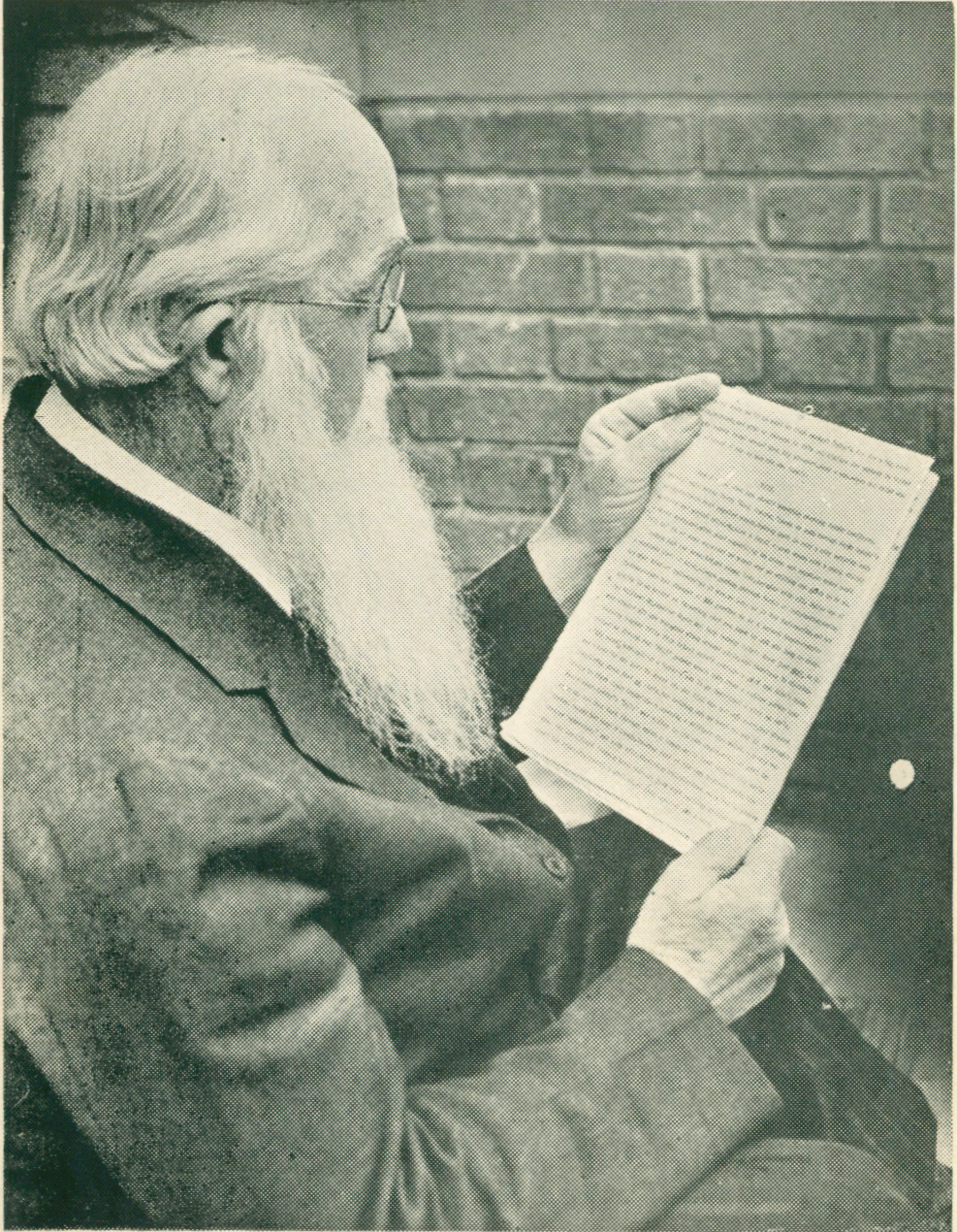
Ernest Vincent Wright
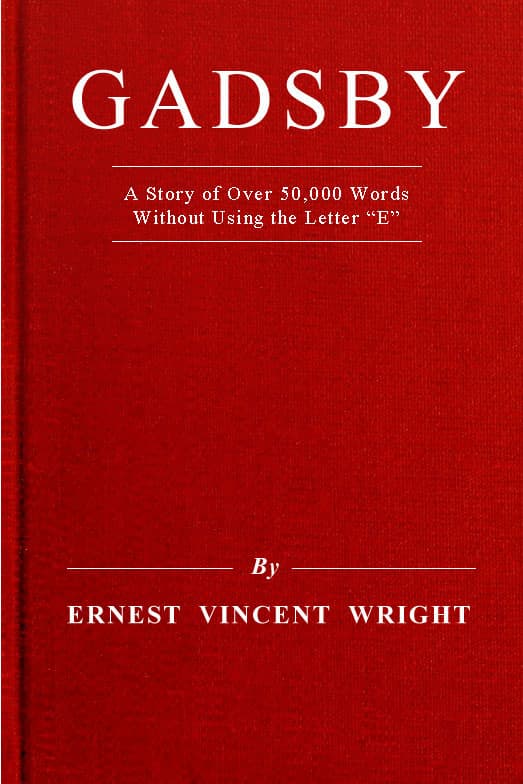
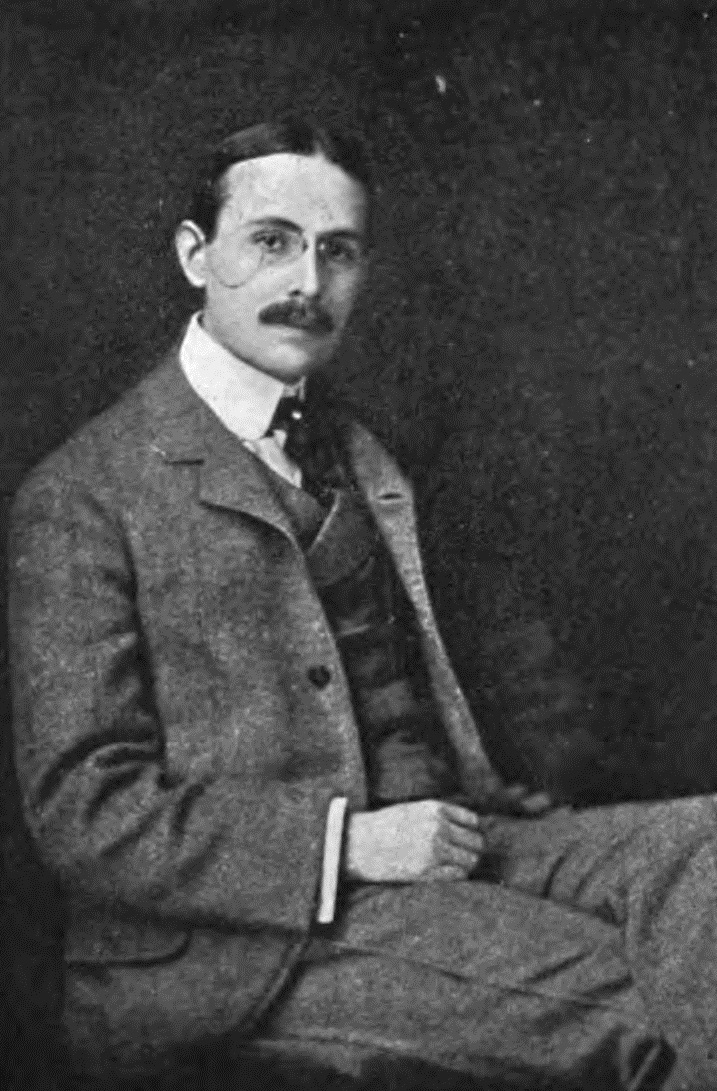
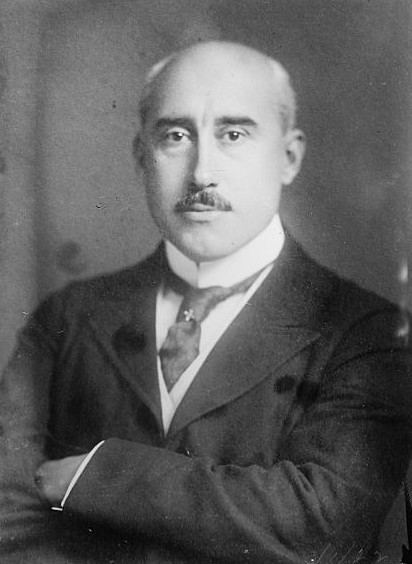
Ernest Vincent Wright was an American author celebrated for his innovative literary techniques, most notably in his 1939 novel, Gadsby. This remarkable work is a 50,000-word lipogram that meticulously avoids the letter 'E,' showcasing Wright's creativity and linguistic dexterity. Gadsby tells the story of a city and its inhabitants, exploring themes of community and the human experience without relying on one of the most common letters in the English language. The novel's unique constraint has garnered attention for its ambitious structure and has inspired discussions about the limits and possibilities of language in literature. Wright's contribution to the literary world extends beyond Gadsby, as he was also involved in various forms of writing, including poetry and essays. His work is often regarded as a significant example of experimental literature, pushing the boundaries of conventional storytelling. Although he may not have achieved widespread fame during his lifetime, Wright's legacy endures through Gadsby, which remains a point of reference for writers interested in linguistic experimentation and the art of constraint in writing.
Famous Quotes
View all 3 quotes“Boys, at war, so far away, will naturally droop, both in body and mind, from lack of a particular girl’s snuggling and cuddling.”
“In this country, two things stand first in rank: your flag and your mail. You all know what honor you pay to your flag, but you should know, also, that your mail, — just that ordinary postal card—is also important. But a postal card, or any form of mail, is not important, in that way, until you drop it through a slot in this building, and with a stamp on it, or into a mail box outdoors. Up to that instant it is but a common card, which anybody can pick up and carry off without committing a criminal act. But as soon as it is in back of this partition, or in a mail box, a magical transformation occurs; and anybody who now should willfully purloin it, or obstruct its trip in any way, will find prison doors awaiting him. What a frail thing ordinary mail is! A baby could rip it apart, but no adult is so foolish as to do it. That small stamp which you stick on it, is, you might say, a postal official, going right along with it, having it always in his sight.”
“For mankind knows hardly a joy which will surpass that of approval of his work.”
Books from the author






Link to this page
Add a free, dofollow link to Lex on your blog, forum, syllabus, or reading list.

<a href="https://lex-books.com/author/ernest-vincent-wright"><img src="https://lex-books.com/badges/read-on-lex.svg" alt="Ernest Vincent Wright on Lex" width="160" height="40"></a>[](https://lex-books.com/author/ernest-vincent-wright)[url=https://lex-books.com/author/ernest-vincent-wright][img]https://lex-books.com/badges/read-on-lex.svg[/img][/url]Ernest Vincent Wright on Lex: https://lex-books.com/author/ernest-vincent-wright