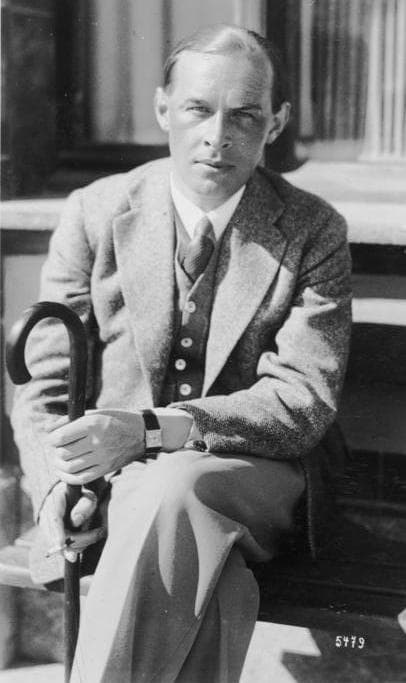
Erich Maria Remarque
Erich Maria Remarque was a German novelist renowned for his poignant depictions of the horrors of war. His most celebrated work, All Quiet on the Western Front, published in 1928, drew from his own experiences as a soldier in World War I and became a seminal text in the genre of war literature. The novel's unflinching portrayal of the brutality and futility of combat resonated with readers worldwide, establishing Remarque as a leading voice in anti-war literature. It was adapted into several films, further cementing its impact on popular culture and public consciousness. Remarque's literary career was marked by his outspoken criticism of militarism and nationalism, which drew the ire of the Nazi regime. His works were denounced as unpatriotic, prompting him to flee Germany for Switzerland and later the United States, where he became a naturalized citizen. Throughout his life, he continued to explore themes of loss, trauma, and the human condition in novels such as The Road Back and Arch of Triumph. Remarque's legacy endures as a powerful advocate for peace and a profound chronicler of the psychological scars left by war.
Famous Quotes
View all 3 quotes“I am young, I am twenty years old; yet I know nothing of life but despair, death, fear, and fatuous superficiality cast over an abyss of sorrow. I see how peoples are set against one another, and in silence, unknowingly, foolishly, obediently, innocently slay one another.”
“It's only terrible to have nothing to wait for.”
“But now, for the first time, I see you are a man like me. I thought of your hand-grenades, of your bayonet, of your rifle; now I see your wife and your face and our fellowship. Forgive me, comrade. We always see it too late. Why do they never tell us that you are poor devils like us, that your mothers are just as anxious as ours, and that we have the same fear of death, and the same dying and the same agony--Forgive me, comrade; how could you be my enemy?”
Books from the author



Link to this page
Add a free, dofollow link to Lex on your blog, forum, syllabus, or reading list.

<a href="https://lex-books.com/author/erich-maria-remarque"><img src="https://lex-books.com/badges/read-on-lex.svg" alt="Erich Maria Remarque on Lex" width="160" height="40"></a>[](https://lex-books.com/author/erich-maria-remarque)[url=https://lex-books.com/author/erich-maria-remarque][img]https://lex-books.com/badges/read-on-lex.svg[/img][/url]Erich Maria Remarque on Lex: https://lex-books.com/author/erich-maria-remarque