The Web: The Authorized History of the American Protective League
1919
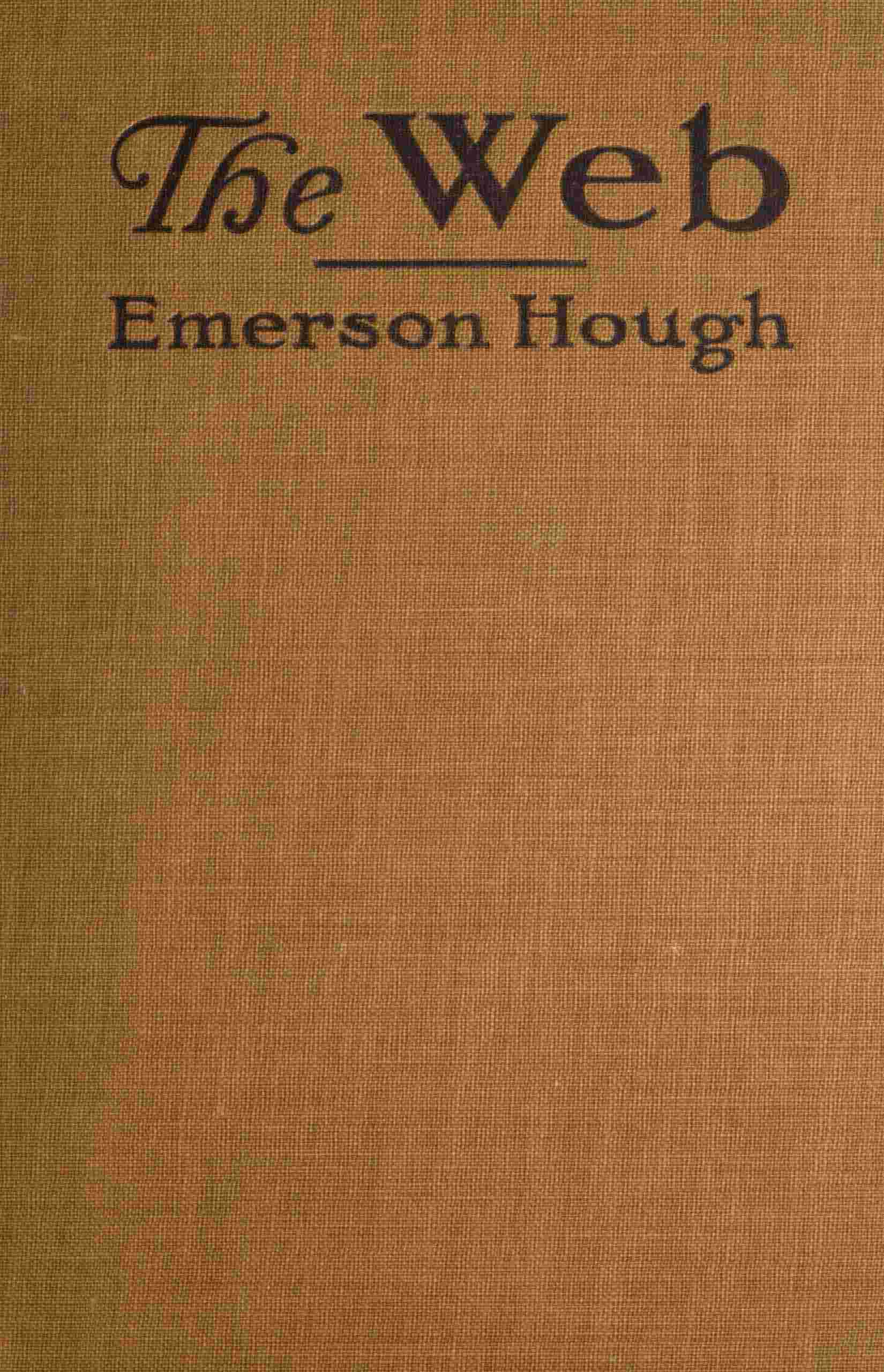
The Web: The Authorized History of the American Protective League
1919
In the summer of 1917, a quarter-million ordinary Americans signed up to police their neighbors. The American Protective League operated in 600 chapters across the country, conducting surveillance on suspected German sympathizers, investigating draft resisters, and carrying out the infamous "slacker raids" that rounded up men who hadn't registered for the draft. They badge themselves as patriots; their critics called them thought police. This authorized history, written in 1919 with the League's full cooperation, offers an unprecedented window into one of the most controversial volunteer organizations in American history. Emerson Hough was granted access to the League's internal records and leadership, producing a book that is both a celebration and an inadvertent expose. As you read, you'll encounter the zeal of true believers, the anxiety of a nation at war with itself, and the uncomfortable question of what patriotism costs when ordinary citizens are empowered to police loyalty. The APL operated in a gray zone, neither fully government-sanctioned nor officially condemned, and its story illuminates the tensions between security and freedom that still resonate a century later. For readers interested in World War I, civil liberties history, or the darker corners of American patriotism, this is an essential primary source: a document written by those who believed they were saving America, in their own words, from the aftermath of the Armistice when the fear had not yet faded.
Editions
Link to this book
Add a free, dofollow link to Lex on your blog, forum, syllabus, or reading list.

<a href="https://lex-books.com/book/the-web-the-authorized-history-of-the-american-protective-league-abb7e48d-78e8-45bd-af10-66ef61cb9d8a"><img src="https://lex-books.com/badges/read-on-lex.svg" alt="Read The Web: The Authorized History of the American Protective League by Emerson Hough free on Lex" width="160" height="40"></a>[](https://lex-books.com/book/the-web-the-authorized-history-of-the-american-protective-league-abb7e48d-78e8-45bd-af10-66ef61cb9d8a)[url=https://lex-books.com/book/the-web-the-authorized-history-of-the-american-protective-league-abb7e48d-78e8-45bd-af10-66ef61cb9d8a][img]https://lex-books.com/badges/read-on-lex.svg[/img][/url]Read The Web: The Authorized History of the American Protective League by Emerson Hough free on Lex: https://lex-books.com/book/the-web-the-authorized-history-of-the-american-protective-league-abb7e48d-78e8-45bd-af10-66ef61cb9d8aCite this book
Reading this edition for a paper or guide? Copy a citation.
Hough, Emerson. The Web: The Authorized History of the American Protective League. Lex, lex-books.com/book/the-web-the-authorized-history-of-the-american-protective-league-abb7e48d-78e8-45bd-af10-66ef61cb9d8a.Hough, E. (1919). The Web: The Authorized History of the American Protective League. Lex. https://lex-books.com/book/the-web-the-authorized-history-of-the-american-protective-league-abb7e48d-78e8-45bd-af10-66ef61cb9d8aHough, Emerson. The Web: The Authorized History of the American Protective League. Lex. https://lex-books.com/book/the-web-the-authorized-history-of-the-american-protective-league-abb7e48d-78e8-45bd-af10-66ef61cb9d8a.