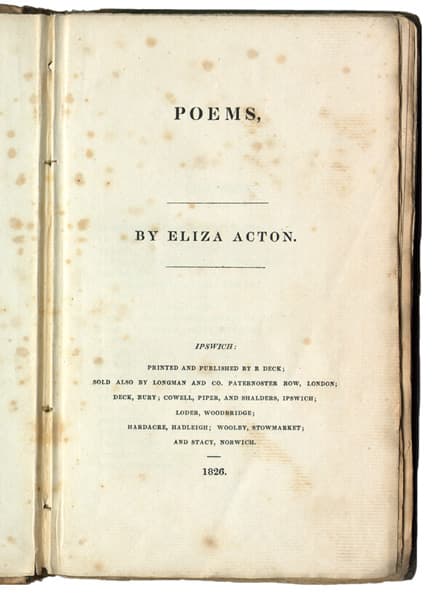
Eliza Acton
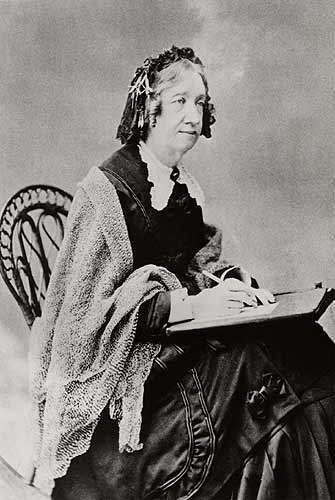
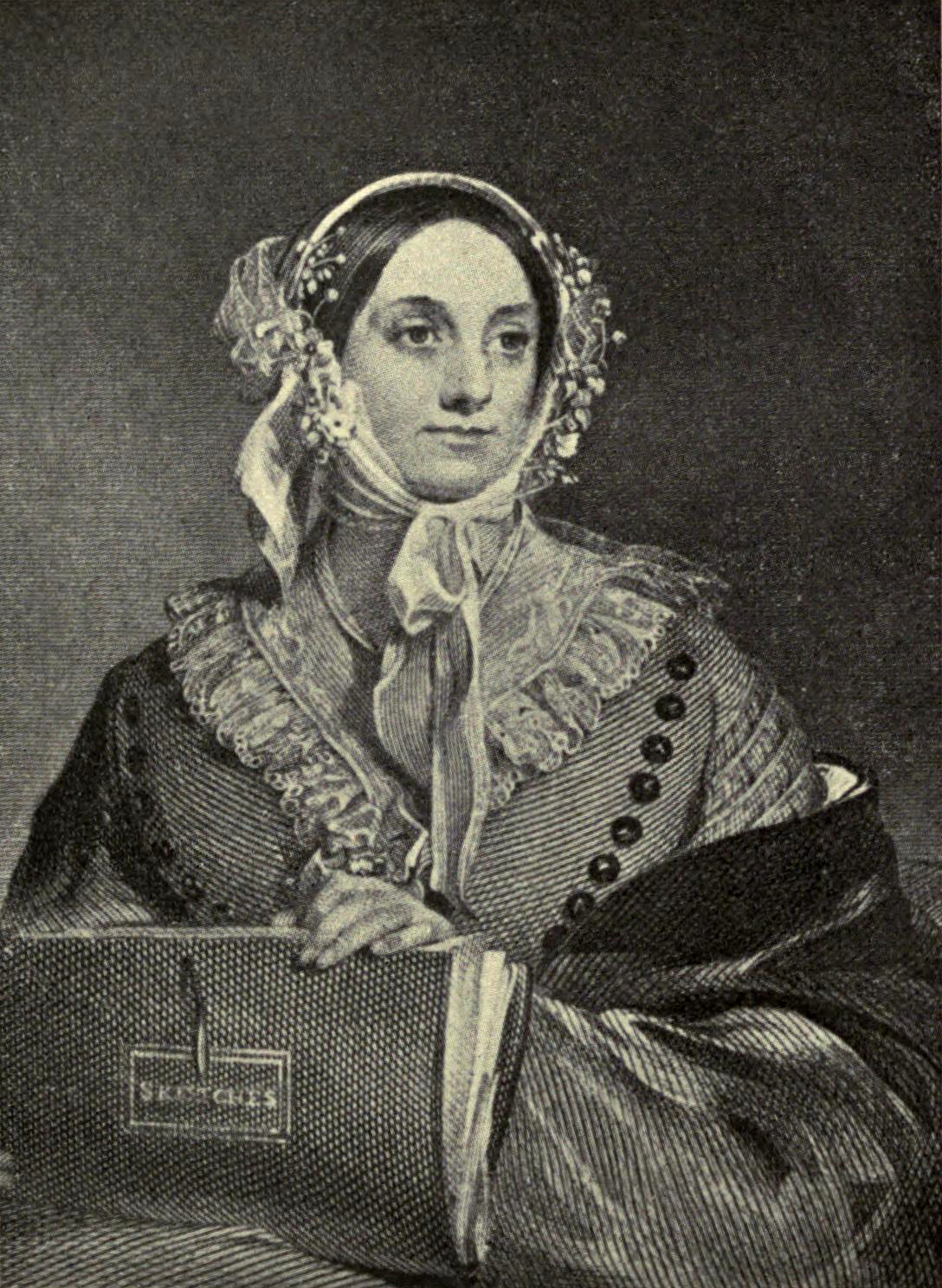
Eliza Acton was an English food writer and poet, renowned for her pioneering contributions to domestic cookery literature. Born in Sussex and raised in Suffolk, she initially ran a girls' boarding school before turning her talents to writing. In 1845, she published 'Modern Cookery for Private Families,' one of Britain's first cookery books aimed at the general public. This groundbreaking work introduced the now-standard practice of listing ingredients and suggested cooking times for each recipe. Notably, it included the first English recipes for Brussels sprouts and spaghetti, as well as the first recipe for what Acton termed 'Christmas pudding,' effectively linking the dish with its name for the first time. Acton's influence extended beyond her own publications; her work laid the groundwork for future culinary writers. In 1857, she released 'The English Bread-Book for Domestic Use,' which provided a more scholarly examination of bread-making practices in England and Europe, alongside numerous recipes. Although her 'Modern Cookery' was overshadowed by Isabella Beeton's 'Mrs Beeton's Book of Household Management,' which borrowed from Acton's recipes, her legacy endured. Acton's innovative approach to recipe writing inspired a generation of English cooks, including notable figures like Elizabeth David and Delia Smith, ensuring her place in the history of culinary literature.
Famous Quotes
View all 2 quotes“I love thee, as I love the calm Of sweet, star-lighted hours! I love thee, as I love the balm Of early jest 'mine flowers.”
“I Love Thee I love thee, as I love the calm Of sweet, star-lighted hours! I love thee, as I love the balm Of early jes'mine flow'rs. I love thee, as I love the last Rich smile of fading day, Which lingereth, like the look we cast, On rapture pass'd away. I love thee as I love the tone Of some soft-breathing flute Whose soul is wak'd for me alone, When all beside is mute. I love thee as I love the first Young violet of the spring; Or the pale lily, April-nurs'd, To scented blossoming. I love thee, as I love the full, Clear gushings of the song, Which lonely--sad--and beautiful-- At night-fall floats along, Pour'd by the bul-bul forth to greet The hours of rest and dew; When melody and moonlight meet To blend their charm, and hue. I love thee, as the glad bird loves The freedom of its wing, On which delightedly it moves In wildest wandering. I love thee as I love the swell, And hush, of some low strain, Which bringeth, by its gentle spell, The past to life again. Such is the feeling which from thee Nought earthly can allure: 'Tis ever link'd to all I see Of gifted--high--and pure!”
Books from the author




Link to this page
Add a free, dofollow link to Lex on your blog, forum, syllabus, or reading list.

<a href="https://lex-books.com/author/eliza-acton"><img src="https://lex-books.com/badges/read-on-lex.svg" alt="Eliza Acton on Lex" width="160" height="40"></a>[](https://lex-books.com/author/eliza-acton)[url=https://lex-books.com/author/eliza-acton][img]https://lex-books.com/badges/read-on-lex.svg[/img][/url]Eliza Acton on Lex: https://lex-books.com/author/eliza-acton