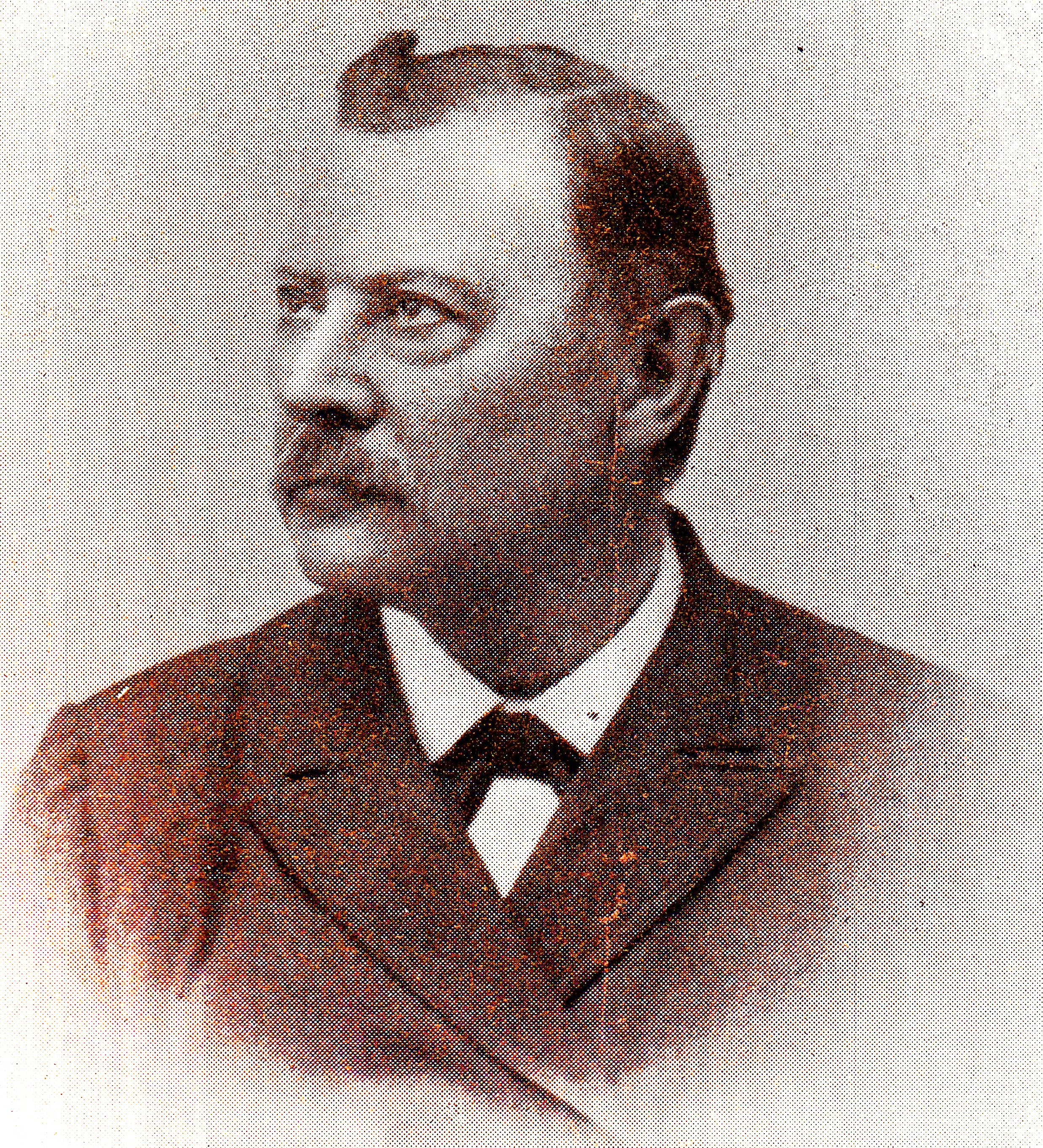
Elias Johnson
Elias Johnson was a significant figure in the documentation and preservation of Native American history and culture, particularly focusing on the Iroquois and Tuscarora tribes. His most notable work, "Legends, Traditions, and Laws of the Iroquois, or Six Nations, and History of the Tuscarora Indians," serves as a crucial resource for understanding the customs, beliefs, and legal frameworks of these indigenous peoples. Through meticulous research and firsthand accounts, Johnson aimed to provide a comprehensive portrayal of the rich heritage and societal structures of the Iroquois Confederacy and the Tuscarora, contributing to a broader understanding of Native American history in the context of American society at large. Johnson's writings are not only significant for their historical content but also for their role in advocating for the recognition and respect of Native American cultures during a time when such perspectives were often marginalized. His work has been instrumental in preserving the narratives and traditions that might otherwise have been lost, making him an important figure in the field of ethnography and Native American studies. The legacy of his contributions continues to resonate in contemporary discussions about indigenous rights and cultural preservation.
Famous Quotes
View all 2 quotes“Her lips were always so soft, and I never wanted to leave them.””
“The same month, the critic Julius Elias related that over a lunch in Berlin Ibsen told him that: he had met in the Tyrol … a Viennese girl of very remarkable character, who had at once made him her confidant … she was not interested in the idea of marrying some decently brought-up young man … What tempted, fascinated and delighted her was to lure other women’s husbands away from them. She was a demonic little wrecker … a little bird of prey, who would gladly have included him among her victims. He had studied her very very closely. But she had had no great success with him. ‘She did not get hold of me but I got hold of her – for my play.””
Books from the author


Link to this page
Add a free, dofollow link to Lex on your blog, forum, syllabus, or reading list.

<a href="https://lex-books.com/author/elias-johnson"><img src="https://lex-books.com/badges/read-on-lex.svg" alt="Elias Johnson on Lex" width="160" height="40"></a>[](https://lex-books.com/author/elias-johnson)[url=https://lex-books.com/author/elias-johnson][img]https://lex-books.com/badges/read-on-lex.svg[/img][/url]Elias Johnson on Lex: https://lex-books.com/author/elias-johnson