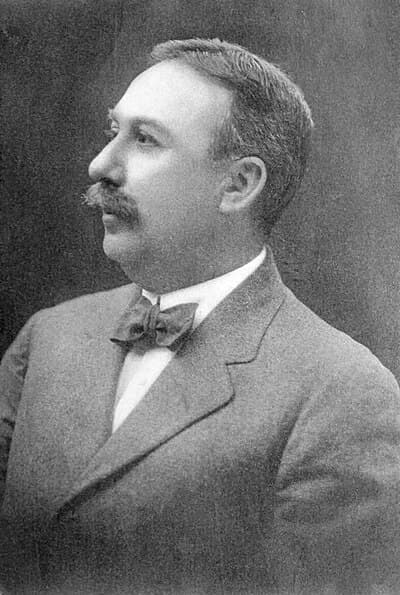
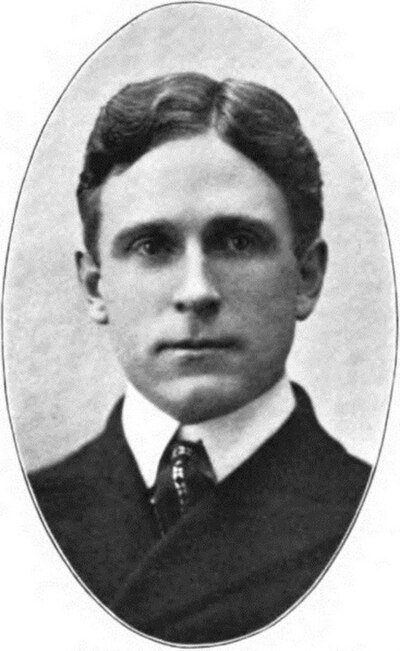
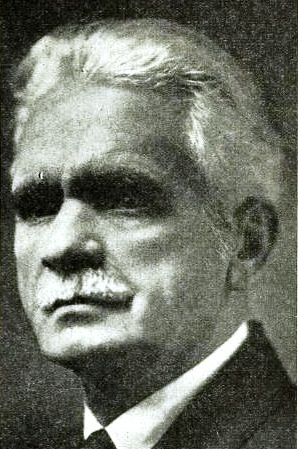
Edwin H. Porter
Edwin H. Porter was a pioneering figure in the early days of American cinema, recognized for his innovative contributions as a director, producer, and cinematographer. He worked primarily with the Edison Manufacturing Company and later with the Famous Players Film Company, where he played a crucial role in shaping the narrative structure of film. Porter's most notable works include 'The Great Train Robbery' (1903), often hailed as one of the first narrative films, which introduced techniques such as cross-cutting and parallel editing that would become staples in filmmaking. Other significant films include 'Life of an American Fireman' (1903) and 'Jack and the Beanstalk' (1902), which showcased his ability to blend storytelling with visual spectacle. Porter's influence extended beyond his own films; he helped lay the groundwork for the future of American cinema by demonstrating the potential of film as a storytelling medium. His work not only entertained audiences but also inspired future filmmakers to explore the possibilities of the medium. Despite the rapid evolution of film technology and narrative style, Porter's contributions remain a vital part of cinema history, marking him as a key figure in the transition from silent films to more complex narratives. His legacy continues to be felt in the film industry today, as many of his techniques and storytelling methods are still in use.
Books from the author







Link to this page
Add a free, dofollow link to Lex on your blog, forum, syllabus, or reading list.

<a href="https://lex-books.com/author/edwin-h-porter"><img src="https://lex-books.com/badges/read-on-lex.svg" alt="Edwin H. Porter on Lex" width="160" height="40"></a>[](https://lex-books.com/author/edwin-h-porter)[url=https://lex-books.com/author/edwin-h-porter][img]https://lex-books.com/badges/read-on-lex.svg[/img][/url]Edwin H. Porter on Lex: https://lex-books.com/author/edwin-h-porter