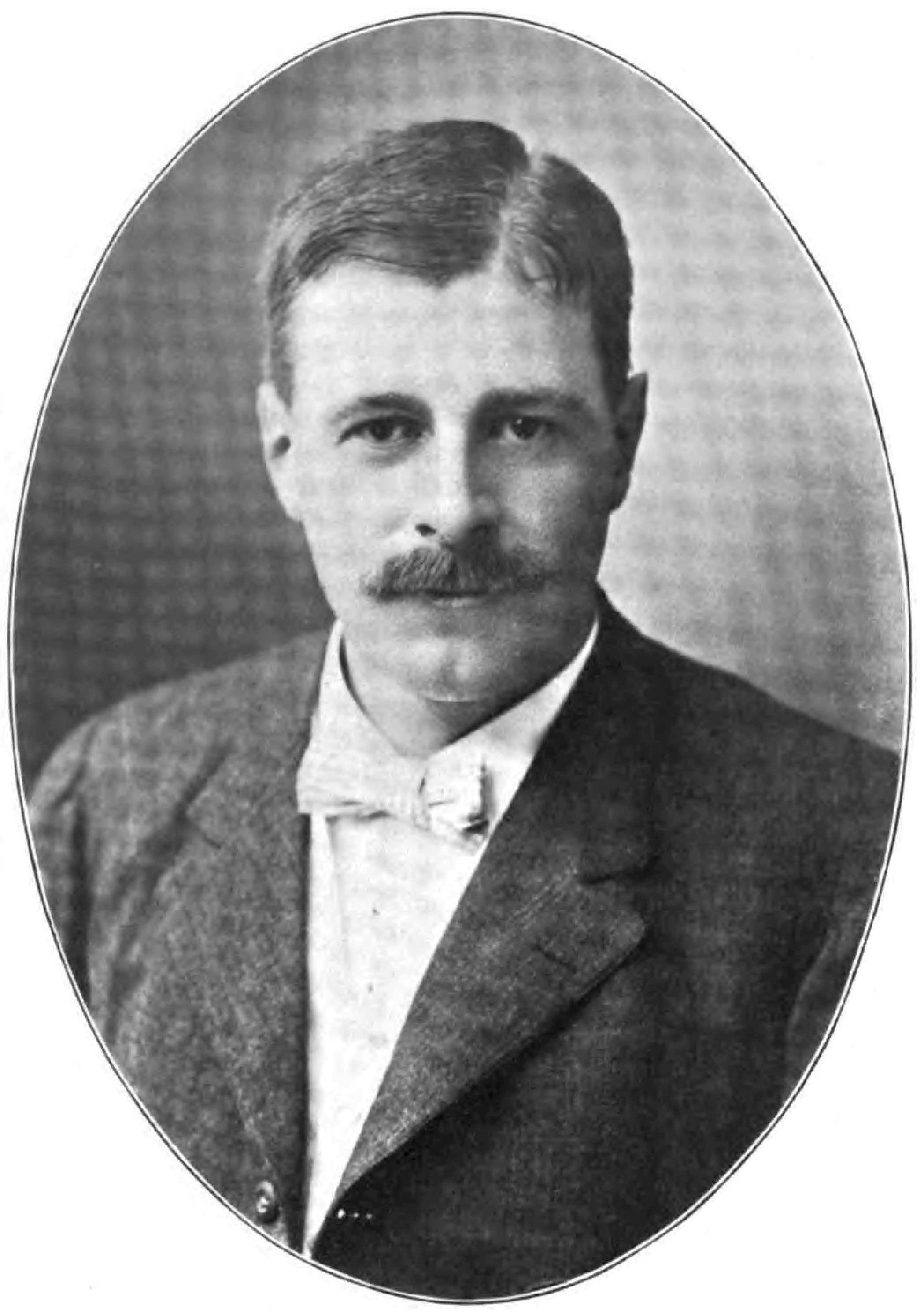
Edward A. Martin
Edward A. Martin was an American author and educator, best known for his work in the field of natural history and environmental science. His most notable work, 'The Story of a Piece of Coal: What It Is, Whence It Comes, and Whither It Goes,' published in 1913, provided a comprehensive and accessible account of coal's formation, extraction, and significance in modern society. Through this book, Martin aimed to enlighten readers about the geological processes involved in coal production and its crucial role as an energy source during the industrial era. Martin's writing is characterized by a blend of scientific accuracy and engaging prose, making complex subjects understandable to the general public. His contributions to literature and education reflect a deep commitment to fostering an appreciation for the natural world and the resources it provides. Although not widely known today, his work played a significant role in the early 20th-century discourse on natural resources and environmental awareness, marking him as a pioneer in popular science writing.
Famous Quotes
View all 10 quotes“There was something she found intensely attractive about a man with a thirst for knowledge. Marc's obsessive love of books had been--she realized now--a huge part of his appeal....””
“But how does it come about that while the ‘I think’ gives Kant a genuine phenomenal starting-point, he cannot exploit it ontologically, and has to fall back on the ‘subject’”
“The notion of finding “a body in the library” of a country house was another trope of the genre. Christie had fun with it in The Body in the Library, where the corpse is found in Gossington Hall, owned by Miss Marple’s cronies, Colonel Arthur Bantry and his wife Dolly. But profound changes were taking place in British society as war was followed by peace-time austerity, and high taxes made it impossible for many families to cling on to old houses that were cripplingly expensive to run. Country house parties fell out of fashion, and although traditional whodunits continued to be written and enjoyed, detective novelists could not altogether ignore the reality. The scale of upheaval is apparent in another Marple story, The Mirror Crack’d from Side to Side, published twenty years after The Body in the Library. Gossington Hall has been sold off, and been run as a guest house, divided into flats, bought by a government body, and finally snapped up for use as a rich woman’s playground by a much-married film star. Her entourage provides a “closed circle” of suspects suited to the Sixties.””
Books from the author





Link to this page
Add a free, dofollow link to Lex on your blog, forum, syllabus, or reading list.

<a href="https://lex-books.com/author/edward-a-martin"><img src="https://lex-books.com/badges/read-on-lex.svg" alt="Edward A. Martin on Lex" width="160" height="40"></a>[](https://lex-books.com/author/edward-a-martin)[url=https://lex-books.com/author/edward-a-martin][img]https://lex-books.com/badges/read-on-lex.svg[/img][/url]Edward A. Martin on Lex: https://lex-books.com/author/edward-a-martin