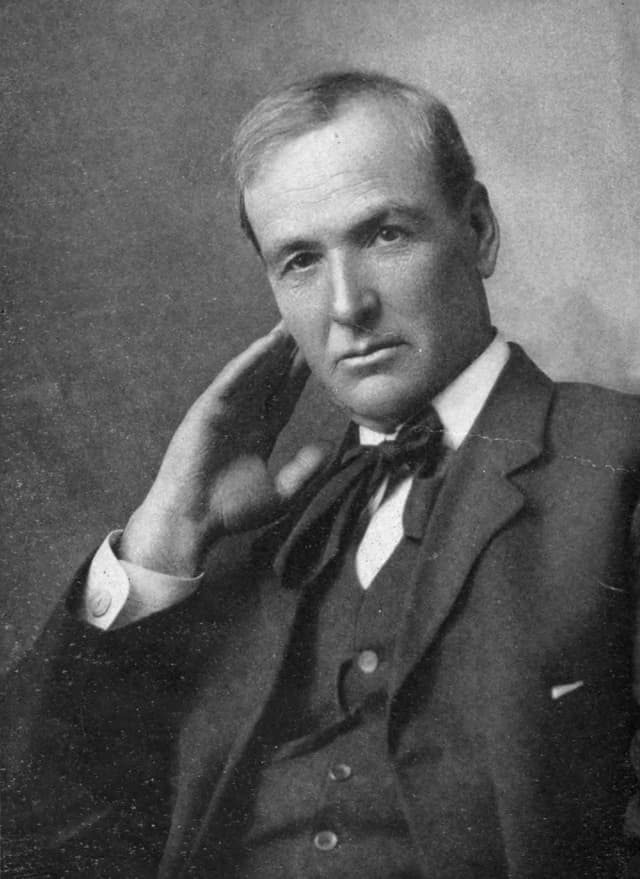
E. W. Howe
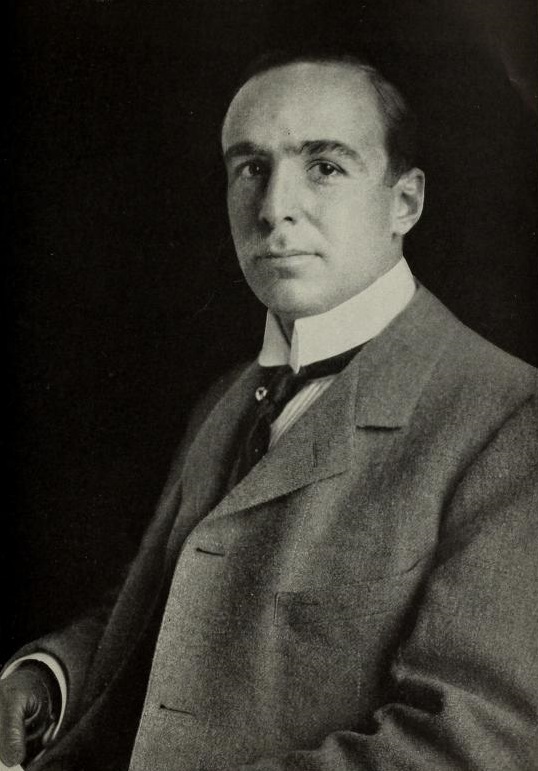
E. W. Howe was an American author and journalist known for his keen observations of rural life and his candid reflections on human nature. Born in 1853 in a small town in Indiana, Howe's early experiences in the Midwest profoundly influenced his writing. He began his career as a journalist, contributing to various newspapers, and soon transitioned into fiction. His most notable work, 'The Story of a Country Town,' published in 1883, offered a vivid portrayal of small-town life, capturing the complexities and quirks of its inhabitants. This novel, along with others like 'The Life and Letters of E. W. Howe,' showcased his ability to blend humor with social commentary, making him a distinctive voice in American literature of his time. Howe's literary significance lies not only in his storytelling but also in his role as a critic of societal norms. He was unafraid to tackle controversial subjects, often challenging the status quo and exploring themes of individuality and authenticity. His writings reflect a deep understanding of the human condition, resonating with readers who appreciated his honest and often humorous take on life. Howe's legacy endures through his contributions to American literature, particularly in the realm of regional fiction, where he paved the way for future writers to explore the intricacies of everyday life in small communities.
Famous Quotes
View all 7 quotes“A man should be taller, older, heavier, uglier, and hoarser than his wife.””
“A boy doesn't have to go to war to be a hero; he can say he doesn't like pie when he sees there isn't enough to go around.””
“A reasonable probability is the only certainty.””
Books from the author
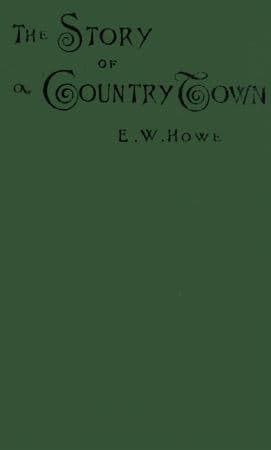
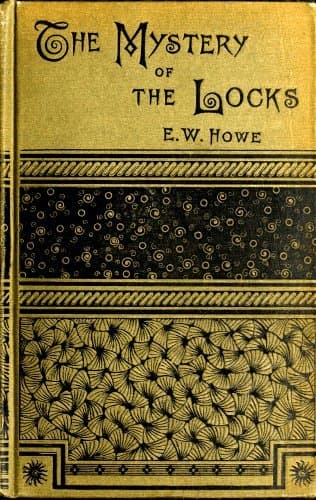




Link to this page
Add a free, dofollow link to Lex on your blog, forum, syllabus, or reading list.

<a href="https://lex-books.com/author/e-w-howe"><img src="https://lex-books.com/badges/read-on-lex.svg" alt="E. W. Howe on Lex" width="160" height="40"></a>[](https://lex-books.com/author/e-w-howe)[url=https://lex-books.com/author/e-w-howe][img]https://lex-books.com/badges/read-on-lex.svg[/img][/url]E. W. Howe on Lex: https://lex-books.com/author/e-w-howe