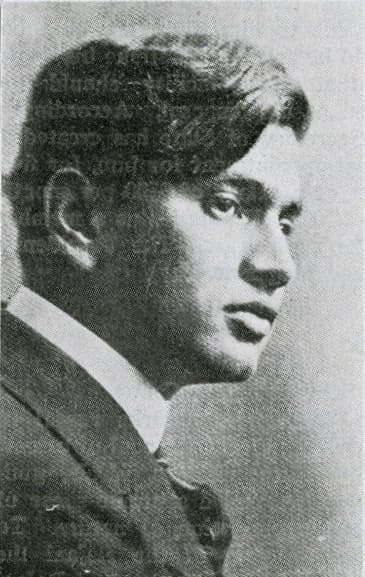
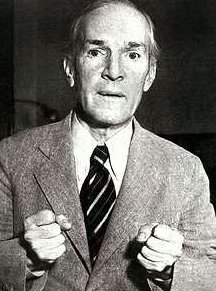
Dhan Gopal Mukerji
Dhan Gopal Mukerji was a pioneering Indian author who made significant contributions to American literature in the early 20th century. Born in Bengal, he pursued his education at prestigious institutions, including the University of Calcutta, the University of Tokyo, and Stanford University. His diverse educational background informed his literary voice, which often bridged Eastern and Western cultures. Mukerji's most notable work, 'Gay-Neck: The Story of a Pigeon,' earned him the Newbery Medal in 1928, marking him as the first Indian author to receive this prestigious award. The book is celebrated for its rich storytelling and exploration of themes such as loyalty and the bond between humans and animals. Mukerji's literary significance lies in his ability to convey Indian culture and philosophy to a Western audience, making him a key figure in the early Indian diaspora literature. His works often reflected his deep appreciation for nature and his experiences as an immigrant, navigating the complexities of identity and belonging. Mukerji's legacy continues to inspire writers and readers alike, as he opened doors for future generations of Indian authors in the global literary landscape.
Famous Quotes
View all 3 quotes“What a pity that most young people instead of seeing one animal in nature--which is worth a hundred in any Zoo--must derive their knowledge of God's creatures from their appearance in prisons. ... How do we manage to think that we know all about an animal by gazing at him penned in a cage?”
“Never go to sleep with bad thoughts and torturing memories. They will not help you to wake up whole and fully serene—the two states of mind and body without which no man can acquit himself well at his day's task. A child should be ushered into the chamber of sleep with serene joy.”
“Have you ever heard silence? It is not a stillness which is the absence of sound. Silence is not empty, it is full of content. It is like the sky”
Books from the author



Link to this page
Add a free, dofollow link to Lex on your blog, forum, syllabus, or reading list.

<a href="https://lex-books.com/author/dhan-gopal-mukerji"><img src="https://lex-books.com/badges/read-on-lex.svg" alt="Dhan Gopal Mukerji on Lex" width="160" height="40"></a>[](https://lex-books.com/author/dhan-gopal-mukerji)[url=https://lex-books.com/author/dhan-gopal-mukerji][img]https://lex-books.com/badges/read-on-lex.svg[/img][/url]Dhan Gopal Mukerji on Lex: https://lex-books.com/author/dhan-gopal-mukerji