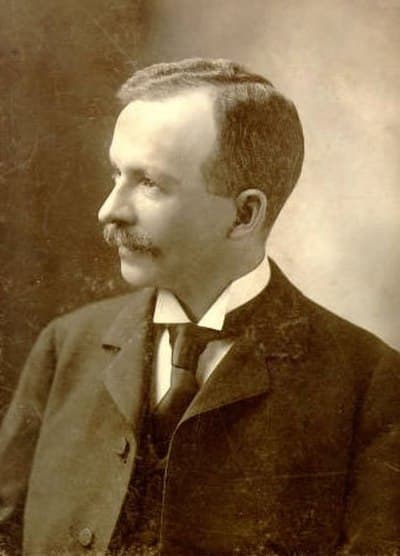
Charles W. Chesnutt
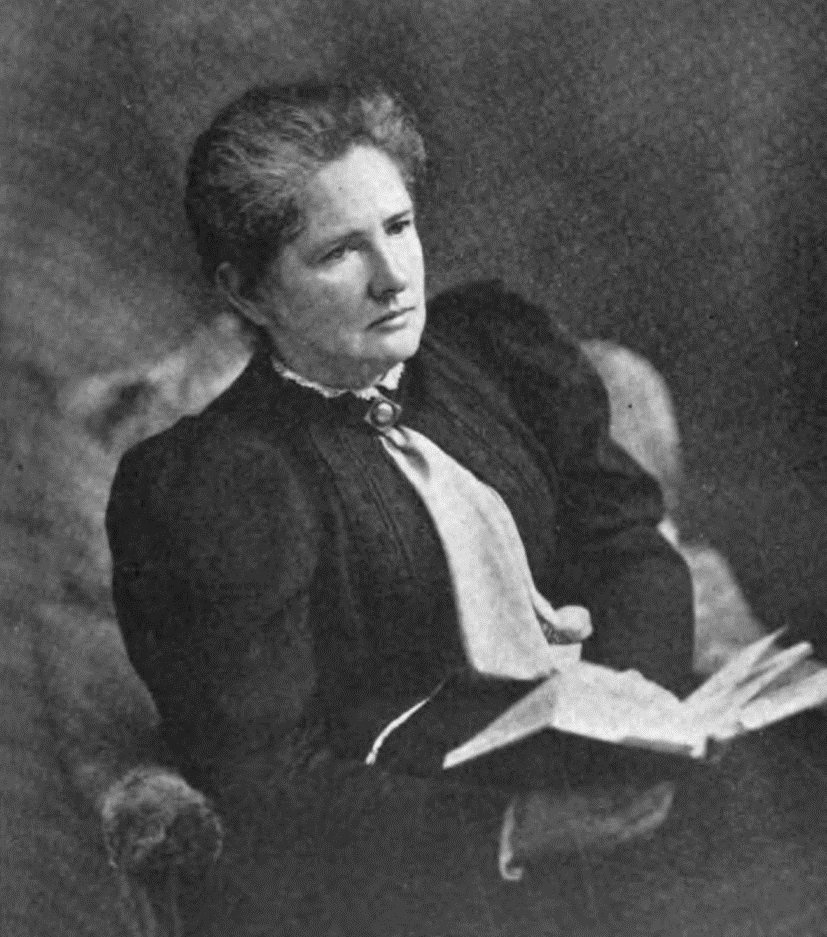
Charles W. Chesnutt was an influential African American author and social critic, known for his poignant explorations of race and identity in post-Civil War America. Born in Cleveland, Ohio, to free black parents, Chesnutt's upbringing in a racially divided society profoundly shaped his literary voice. He gained recognition for his short stories and novels that often depicted the struggles of African Americans in the South, utilizing a blend of realism and folklore. His notable works include 'The Conjure Woman' and 'The Marrow of Tradition,' which challenged prevailing racial stereotypes and highlighted the complexities of African American life. Chesnutt's writing was groundbreaking for its time, as he was one of the first African American authors to gain a significant readership among both black and white audiences. His narratives often addressed themes of racial injustice and the social dynamics of race relations, making him a precursor to later civil rights literature. Despite facing considerable obstacles, including racial prejudice and limited publishing opportunities, Chesnutt's legacy endures as a pivotal figure in American literature, paving the way for future generations of writers to explore the intricacies of race and identity in their work.
Famous Quotes
View all 18 quotes“As man sows, so shall he reap. In works of fiction, such men are sometimes converted. More often, in real life, they do not change their natures until they are converted into dust.””
“The workings of the human heart are the profoundest mystery of the universe. One moment they make us despair of our kind, and the next we see in them the reflection of the divine image.””
“When it is said that it was done to please a woman, there ought perhaps to be enough to explain anything; for what a man will not do to please a woman is yet to be discovered.””
Books from the author





Link to this page
Add a free, dofollow link to Lex on your blog, forum, syllabus, or reading list.

<a href="https://lex-books.com/author/charles-w-chesnutt"><img src="https://lex-books.com/badges/read-on-lex.svg" alt="Charles W. Chesnutt on Lex" width="160" height="40"></a>[](https://lex-books.com/author/charles-w-chesnutt)[url=https://lex-books.com/author/charles-w-chesnutt][img]https://lex-books.com/badges/read-on-lex.svg[/img][/url]Charles W. Chesnutt on Lex: https://lex-books.com/author/charles-w-chesnutt